
Last updated November 21, 2026
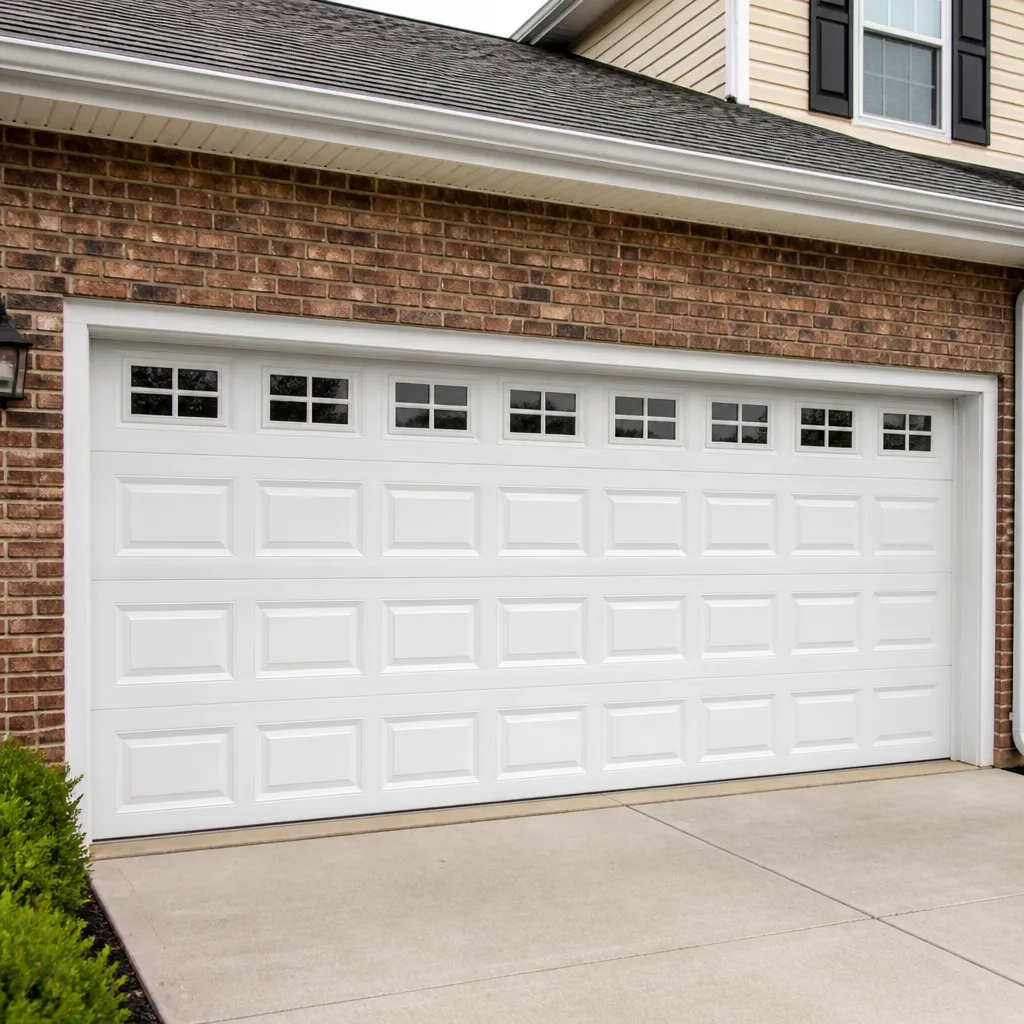 Raised-panel steel
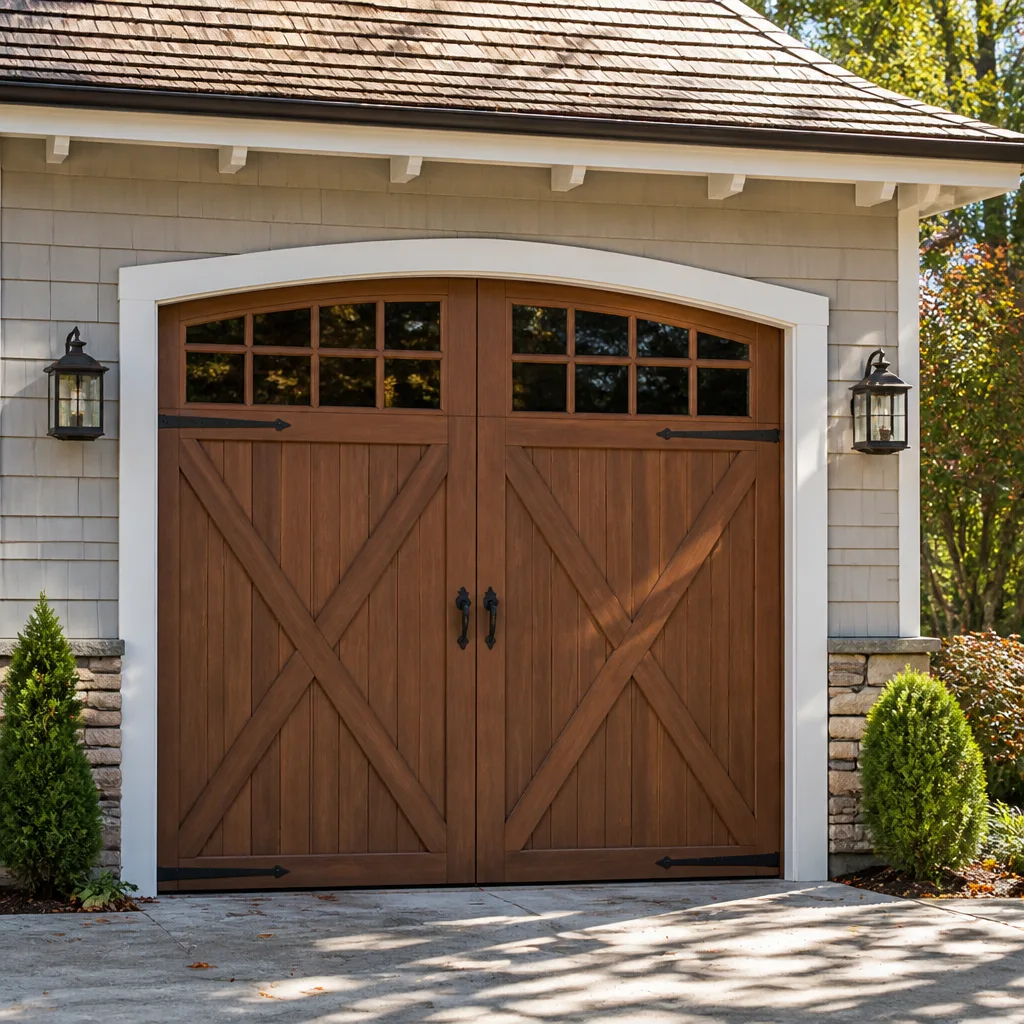 Carriage house
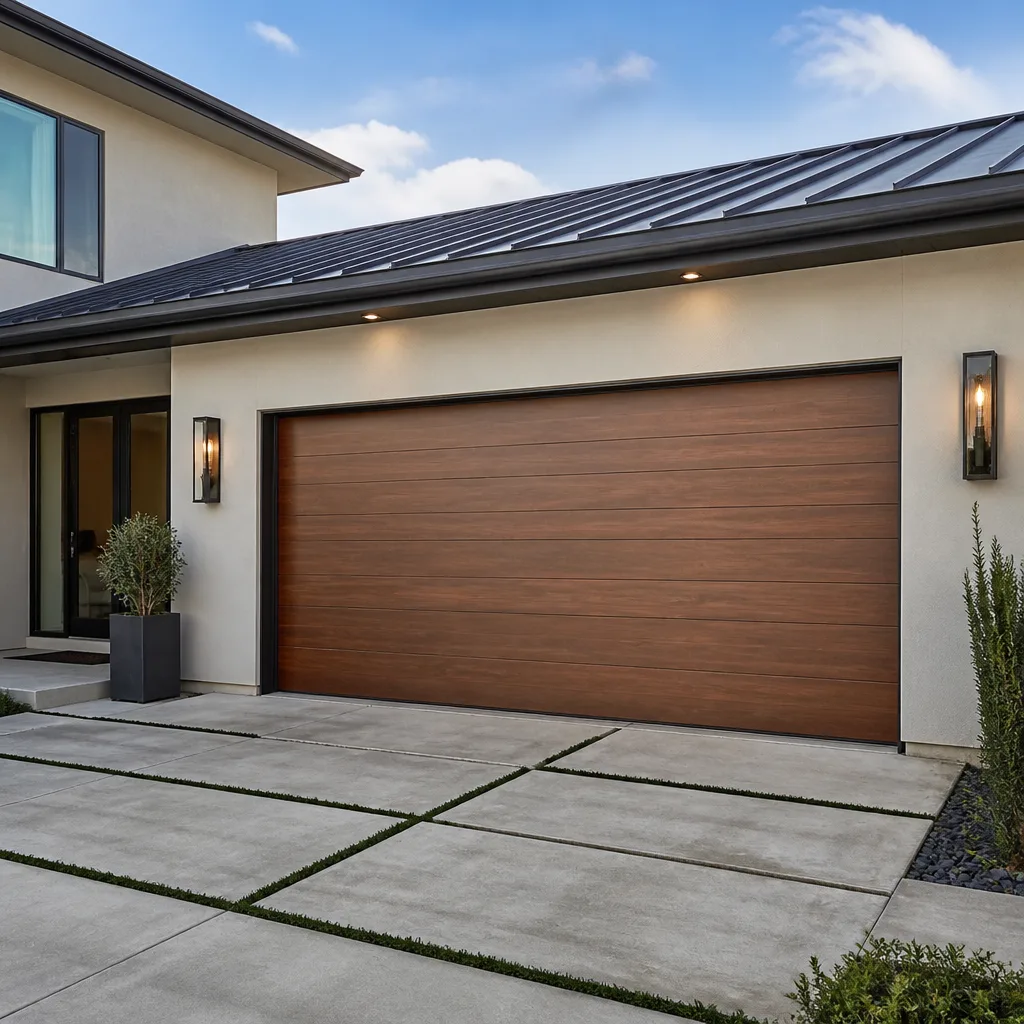 Modern flush
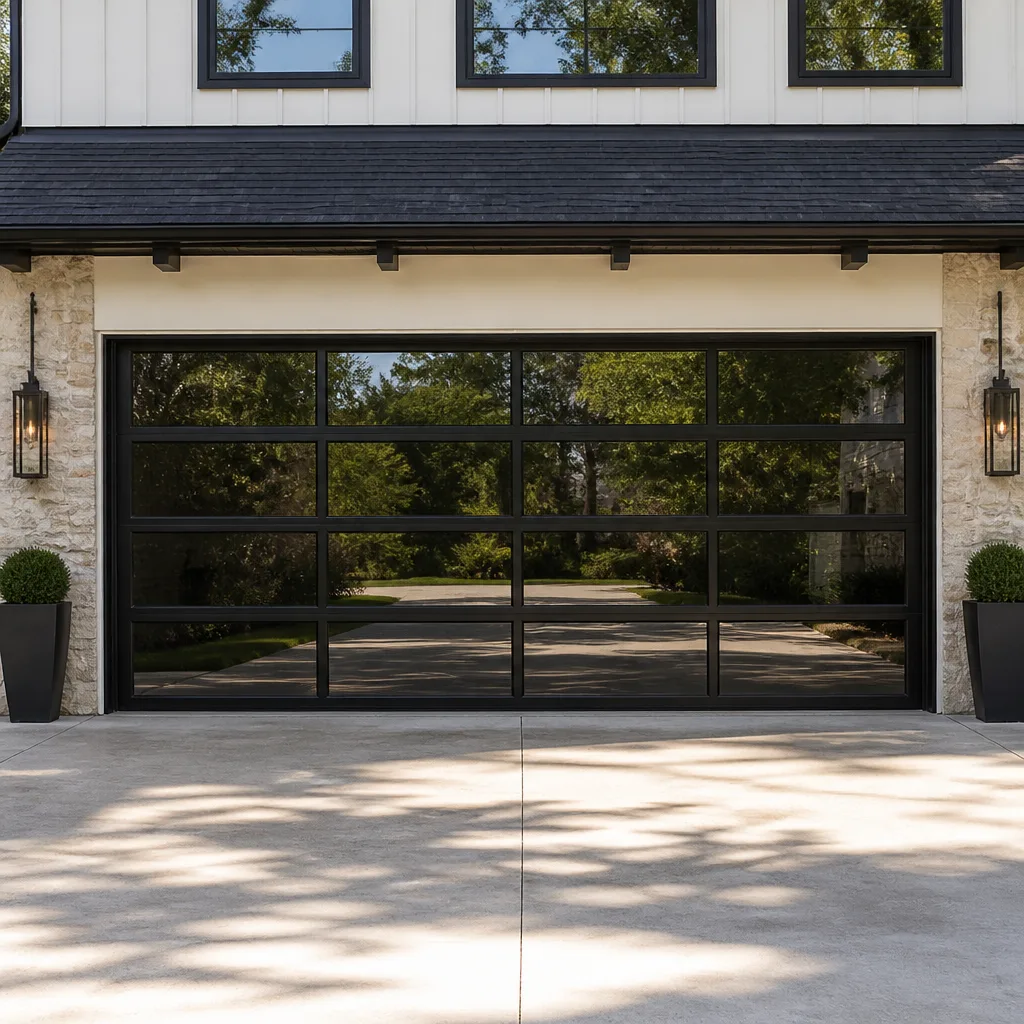 Full-view glass
 LiftMaster openers
 Chamberlain openers
Full 25-point door and opener safety check with every visit - springs, cables, rollers, tracks, and your LiftMaster or Chamberlain opener included
You get a price before we start. It does not change when the pro arrives.
Get your free estimateGarage Door Warning Signs: A Saddle Rock Homeowner’s Reference Guide
A garage door that’s “a little slow” and a garage door with a broken spring can look almost identical from the curb. Both sit closed. Both open a few feet and stop. But one of them should not be operated manually under any circumstances, and guessing wrong between those two situations is how people get hurt. Most warning-sign advice falls into one of two failure modes: it either minimizes real danger or it exaggerates every squeak into an emergency. This guide does neither. Instead, we grade each warning sign on a three-tier urgency scale – monitor it, schedule it within two weeks, or stop using the door right now – calibrated to what actually causes injuries and property damage, not what’s most profitable to fix in a panic. Saddle Rock homeowners get a reference card they can walk out to the garage and use.
Quick Answer
Garage door warning signs fall into three urgency tiers: monitor (slow closing, weather-related sluggishness, occasional light squeaks), schedule within two weeks (frayed cables, panel gaps, opener strain, uneven travel), and stop using immediately (separated spring coils, a door that won’t stay open, sagging or cracked mounts, snapped cables). A grinding sound, a popping sound, and a scraping sound each point to a different mechanical problem. When in doubt, stop operating the door and call (855) 976-4952 – we diagnose before we quote.
Styles & brands we work with
- Raised-panel steel
- Carriage house
- Modern flush
- Full-view glass
- LiftMaster openers
- Chamberlain openers
Table of Contents
- The Three-Tier Urgency System
- Decoding the Sounds: Grinding, Popping, and Scraping
- The Visual Checklist: What to Look For
- False Alarms vs. Imminent Failure
- How Saddle Rock’s Temperature Swings Create False Positives
- When to Call a Professional
- Frequently Asked Questions
The Three-Tier Urgency System
Every warning sign in this guide gets one of three labels, and the labels matter more than the sign itself. Tier One is monitor – note the symptom, watch it for a couple of weeks, and call if it worsens. Tier Two is schedule service within two weeks – the door still works, but the underlying part is on a path toward failure and you want a technician there before it arrives. Tier Three is stop using the door immediately – leave it closed, secure the garage another way, and get someone out to look at it. These tiers are calibrated to what genuinely causes injury or damage. A spring under tension that has separated holds stored energy that can release without warning, which puts it in Tier Three. A door that closes slowly because the opener is tired is a Tier One, even though it’s annoying every morning.
What we’ve found walking homeowners through this over the phone is that the sign people most often misjudge is the one they can’t hear. A door that’s gotten quieter or smoother after a loud pop is a textbook Tier Three – the spring has broken and the tension is gone. It sounds better because something is missing, not because something got fixed. Conversely, a door that’s louder than usual in cold weather is usually a Tier One or Two, not an emergency.
- Tier One (monitor): Light squeaks, slow response to the remote, minor unevenness in closing, sluggishness in cold weather.
- Tier Two (schedule within two weeks): Visible cable fraying, unbalanced travel, opener straining, panel gaps, worn rollers.
- Tier Three (stop using the door): Any separated spring, a snapped cable, a door that won’t stay open, cracks or sagging in the mounts, an audible pop that changed how the door moves.
The point of the tiers isn’t to make every symptom feel like an emergency. It’s the opposite. If you know which signs are genuinely urgent, you stop worrying about the ones that aren’t and stop ignoring the ones that are.
Decoding the Sounds: Grinding, Popping, and Scraping
Four sounds tell you four different things about your garage door, and once you know the mapping, the door is essentially talking to you. A grinding sound usually points to the opener’s gear and sprocket, or to dry rollers and hinges that have lost lubrication – it’s a mechanical resistance problem, typically Tier One or Two. A single loud pop that changes how the door moves is very often a spring breaking under tension – Tier Three, and the door should not be operated until someone looks at it. A scraping sound generally means metal is contacting metal it shouldn’t: a bent track, a loose panel, or a door that’s off-center and dragging. A rattle or rhythmic clunking usually traces to loose hardware, worn rollers, or a belt or chain that’s slipping.
Timing is a diagnostic too. A sound that only happens in the first second of movement is often an opener issue. A sound that happens when the door is halfway up or down is more likely a cable, spring, or track problem. A sound that happens the whole way through is broadly hardware or lubrication. If you can describe when the sound happens, you’ve already done half of what a technician needs.
- Grinding: Opener gear, sprocket, or dry rollers. Listen right when the door starts moving. Usually Tier One or Two.
- Popping (single, sudden): Almost always a spring failure. Do not operate the door again until it’s inspected. Tier Three.
- Scraping: Metal on metal – track misalignment or a dragging panel. Tier Two, and rising.
- Rhythmic clunking or rattling: Loose hardware, worn rollers, belt or chain issue. Tier One or Two.
Spring work is one of the most dangerous jobs on a garage door, because a spring under tension holds stored energy that can release without warning. That’s why we handle spring repair as a core service rather than a referral, and why we never advise homeowners to test a spring themselves.
The Visual Checklist: What to Look For
A five-minute check from inside the garage, with the door closed and the opener unplugged, catches most of what matters. Do this from a distance first, then up close. You’re not trying to diagnose anything – you’re trying to spot the visual patterns that mean “call someone.” Nearly all of these are Tier Two or Tier Three.
- Cable slack: Both cables should run taut from the bottom bracket up to the drum. If one is visibly loose, drooping, or has strands that look curled or frayed, stop using the door. A snapped or slack cable is a Tier Three sign because it’s often the only thing keeping a door from dropping.
- Panel gaps: Stand back and look at the seams between panels. Any gap wider than a fraction of an inch, or any panel that’s out of line with its neighbors, is a Tier Two sign of hinge or track wear, or of impact damage that hasn’t surfaced yet.
- Spring coil separation: Look at the spring above the door. A healthy spring has coils that sit tightly together. If you can see a visible gap in the coil, or the spring looks like it’s dropped or is hanging loose, that’s a Tier Three sign. Do not try to close the gap or touch the spring.
- Cracked or sagging mounts: The brackets that hold the track and spring assembly to the framing should be tight and flush. Any visible crack in the metal, or a bracket that has pulled away from the framing, is Tier Three.
- Hinge wear: Worn hinge barrels, missing screws at the hinge plates, or a hinge that’s bent all point to hardware that’s working harder than it should.
- Track alignment: Tracks should be straight and parallel. A visible bend or a kink in the vertical or horizontal track is Tier Two.
If you can’t tell whether what you’re seeing is normal, take a photo with the door closed and call. We answer 24/7 and can usually tell you over the phone whether you should stop using the door.
False Alarms vs. Imminent Failure
The warning-sign headlines get this backwards. Some of the most alarming-looking symptoms are low risk, and some of the most innocuous-looking ones precede failure. Getting this distinction right is the whole value of a reference card.
Signals that look alarming but are usually low-risk (Tier One):
- A door that squeaks more than it did last month (lubrication and wear, not failure).
- A door that opens a bit unevenly in very cold weather but straightens out by afternoon.
- A single loud clunk when the door finishes closing (often a travel-limit adjustment).
- A remote with reduced range (usually battery or antenna placement, not the opener).
Signals that look minor but indicate imminent failure (Tier Two rising to Tier Three):
- A door that closes a few inches and reverses (safety sensor or travel-limit issue – a door that’s behaving unpredictably is not something to keep cycling).
- A very slight sag at the top panel after a bump.
- Cables that hum or vibrate at a low frequency when the door runs.
- A door that “feels heavier” when you lift it by hand with the opener disengaged.
The reason these look minor is that a door in early failure mode is still functioning. It just isn’t carrying load the way it was designed to. A door that’s running heavier than it used to is a door whose spring or balance has changed, and that load is being passed to the opener and the hardware. Left alone, that usually accelerates.
How Saddle Rock’s Temperature Swings Create False Positives
Saddle Rock sits along the Front Range foothills, and that placement produces something important for garage doors: large swings between daytime and overnight temperatures, and sharper swings when a Chinook wind rolls in. A garage door is a large metal object mounted on a spring assembly, and both metal and spring steel expand, contract, and change tension across a temperature gradient. What that means in practice is that a sluggish, slower-than-usual door in the middle of January is often just weather, not a motor problem.
Here’s the pattern we see. The same door that groans and drags on a cold morning runs smoothly by mid-afternoon. The same opener that struggles to lift in a hard cold snap handles the same door easily a day later. Between the surface of the door (sun side) and the opener (garage interior), the temperature difference on a bright cold day can be large enough to make the door behave differently at each end of the cycle. That’s not a repair – that’s thermal response.
But the flip side of those same swings is real: repeated expansion and contraction is genuinely hard on door hardware. The seals between panels work themselves, the hinges take cycling stress, and the opener’s motor gets asked to lift a door that’s momentarily tenser than it was designed for. That’s where the Saddle Rock pattern of “it groans in winter, it’s fine by spring, so I’ll ignore it” gets people into trouble – the door isn’t failing, but the hardware is being used more than it should be, and eventually the wear shows up as a Tier Two sign.
You can tell weather sluggishness from a real problem fairly easily. If the door is sluggish only at the start of the day or in cold snaps, and smooth when the garage is warm, it’s weather. If it’s sluggish every time regardless of temperature, it’s the door or opener. If it’s slower than it was last season at the same temperatures, it’s wear. Call (855) 976-4952 and we can talk through what you’re seeing – a door we can rule out over the phone is a door you don’t need to pay for a visit on, and if we do need to come out, we quote before any work starts.
When to Call a Professional
Call us immediately, before using the door again, if you see any of the following: a separated spring, a slack or snapped cable, a door that won’t stay open, a cracked or sagging bracket, or a door that changed how it moves after a loud pop. These are the scenarios where operating the door can cause injury or damage, and a technician needs to assess it before anyone cycles it again. These aren’t situations to diagnose by phone and then “try” yourself.
Schedule a service visit – not an emergency, but within two weeks – if you’re seeing any Tier Two sign: frayed cables, panel gaps, uneven travel, an opener that’s straining, worn hinges, or a door that’s heavier than you remember. None of these is an emergency, but each one is cheaper and safer to fix before it becomes one.
And if you’re not sure whether what you’re looking at is a Tier One, Two, or Three, that’s fine. We diagnose before we quote – that’s not a slogan, it’s how we work. Garage Door Repair Saddle Rock offers free estimates in Saddle Rock. Call (855) 976-4952. We answer 24/7, with fast dispatch from 7am to 7pm, Sunday through Friday. We’re closed Saturday.
Common Mistakes to Avoid
- Trying to close a separated spring or “reset” the coils. A spring under tension is a stored-energy component and can release without warning. This is the single most dangerous thing a homeowner can attempt on a garage door. Leave it, call, and don’t operate the door.
- Assuming a quiet door after a loud pop is a fixed door. A spring that’s broken means the tension is gone – the door has not “settled,” it’s running on the opener alone. Tier Three, every time.
- Lubricating cables and springs to “fix” a scraping sound. A scraping sound usually means metal-on-metal contact from misalignment. Lubricant masks the sound without fixing the drag, and you lose the diagnostic signal.
- Adjusting travel limits to hide a reversing door. A door that reverses on its own or doesn’t reach the floor is telling you something about the safety sensor or balance. Masking it by lengthening travel erases the warning without addressing it.
- Treating a January groan as a motor problem. Saddle Rock’s Front Range temperature swings make cold-morning sluggishness normal. If the door is smooth when the garage warms up, you’re looking at thermal response, not an opener on its way out.
- Replacing panels without inspecting hinges and tracks. A panel gap that you fix cosmetically is often a symptom of hinge or track wear that will re-open the gap. Fix the cause, not the seam.
- Calling a generalist because “it’s just a garage door.” Opener logic, spring tension, and track alignment are all interconnected – a fix on one that ignores the others often creates the next failure. A single-trade shop knows the system, not just the part.
See the difference
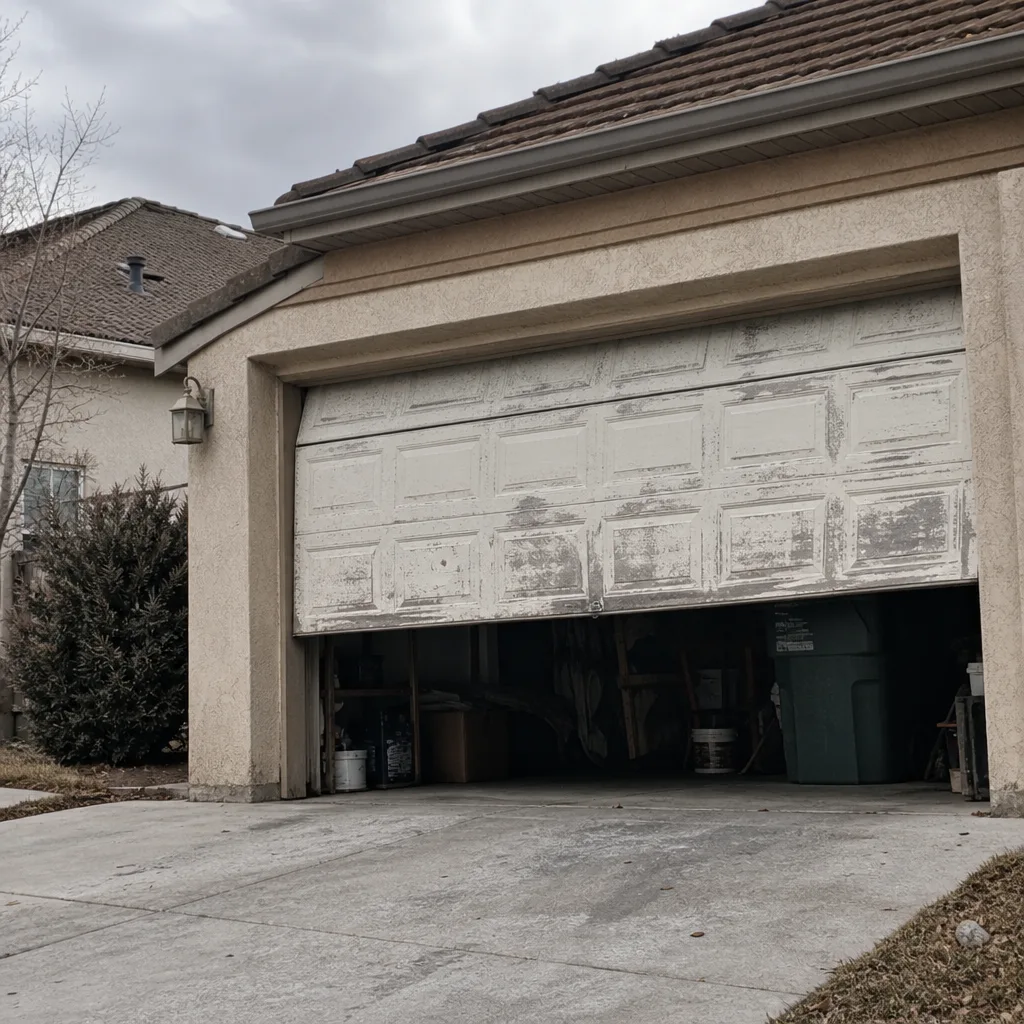 Before
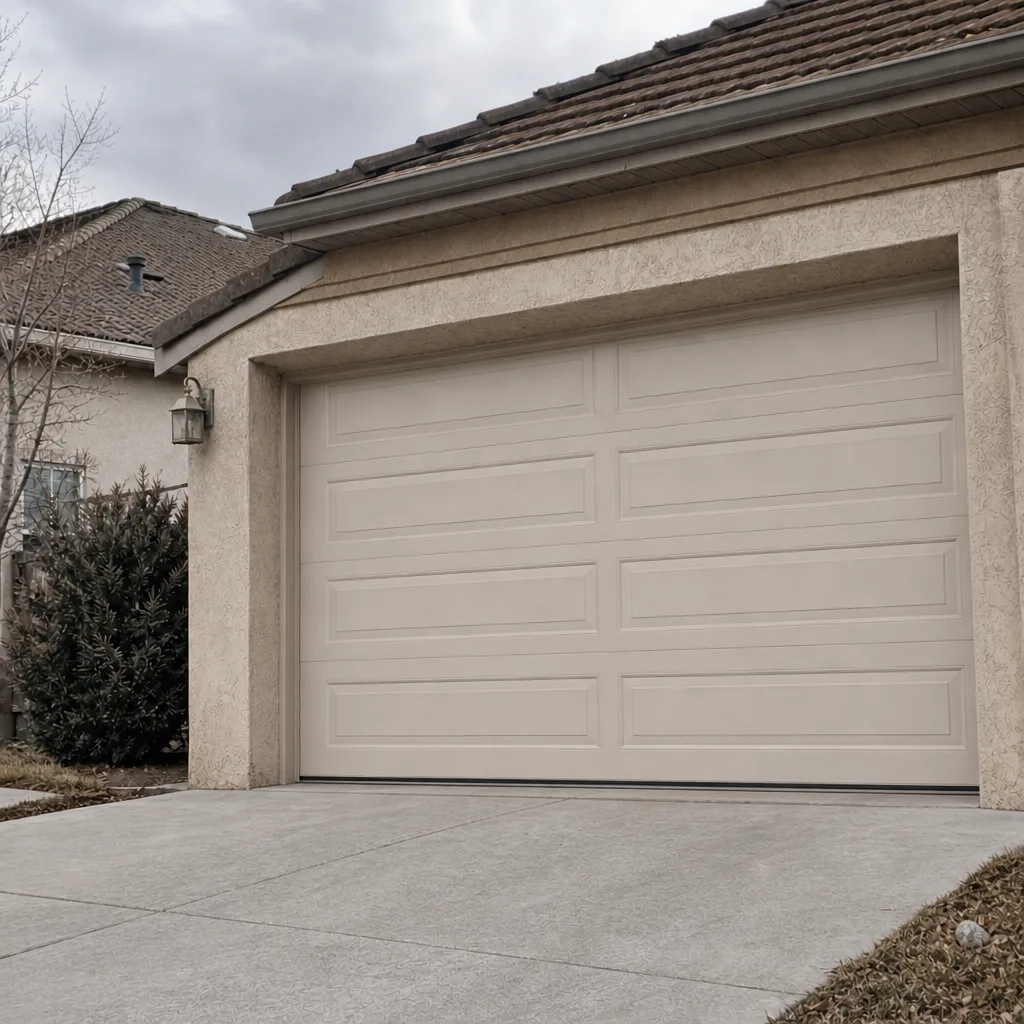 After
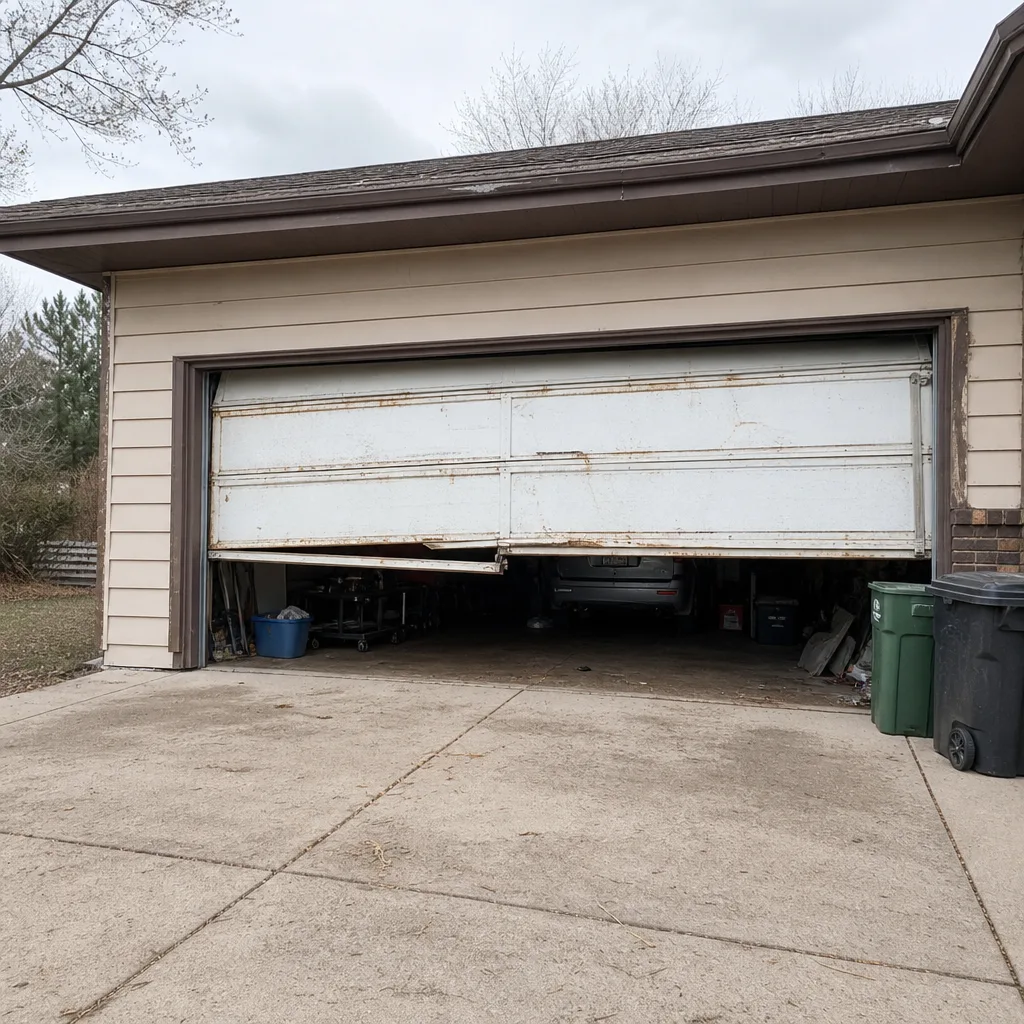 Before
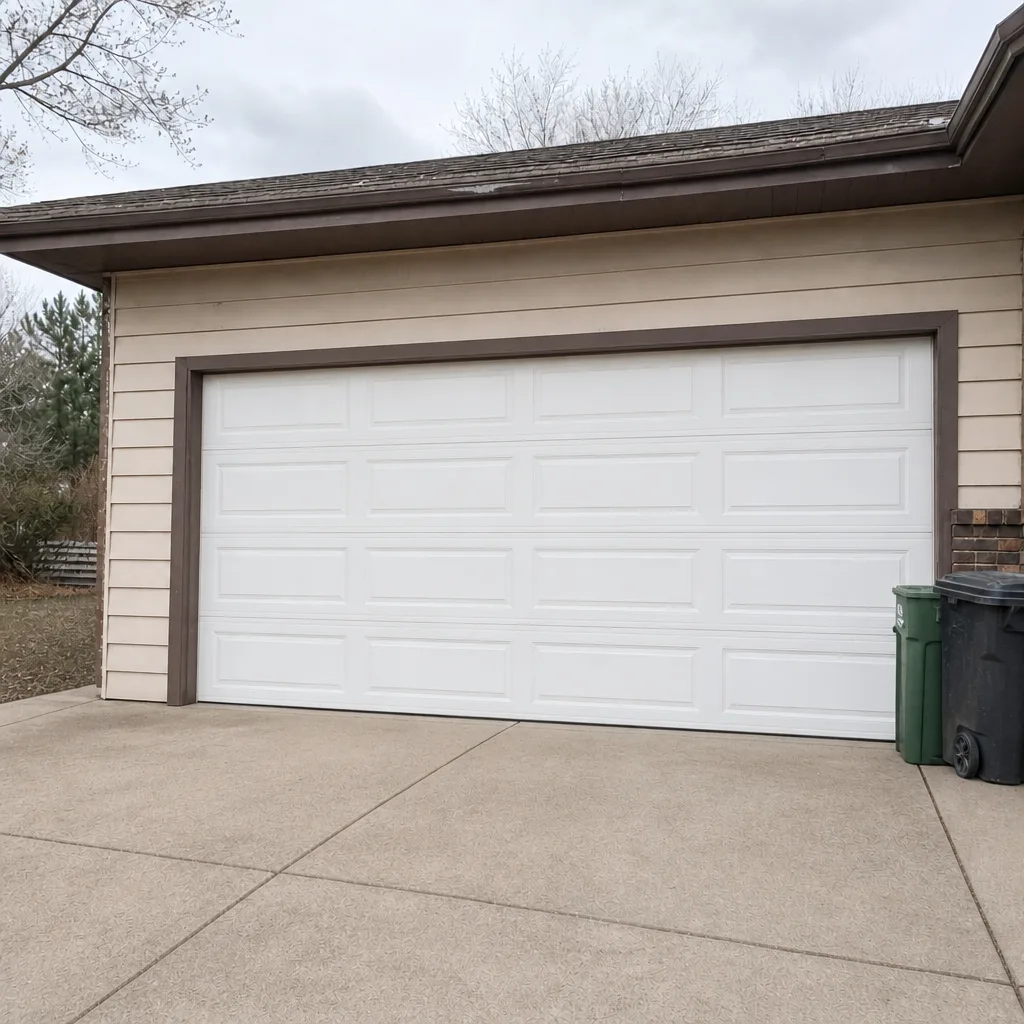 After
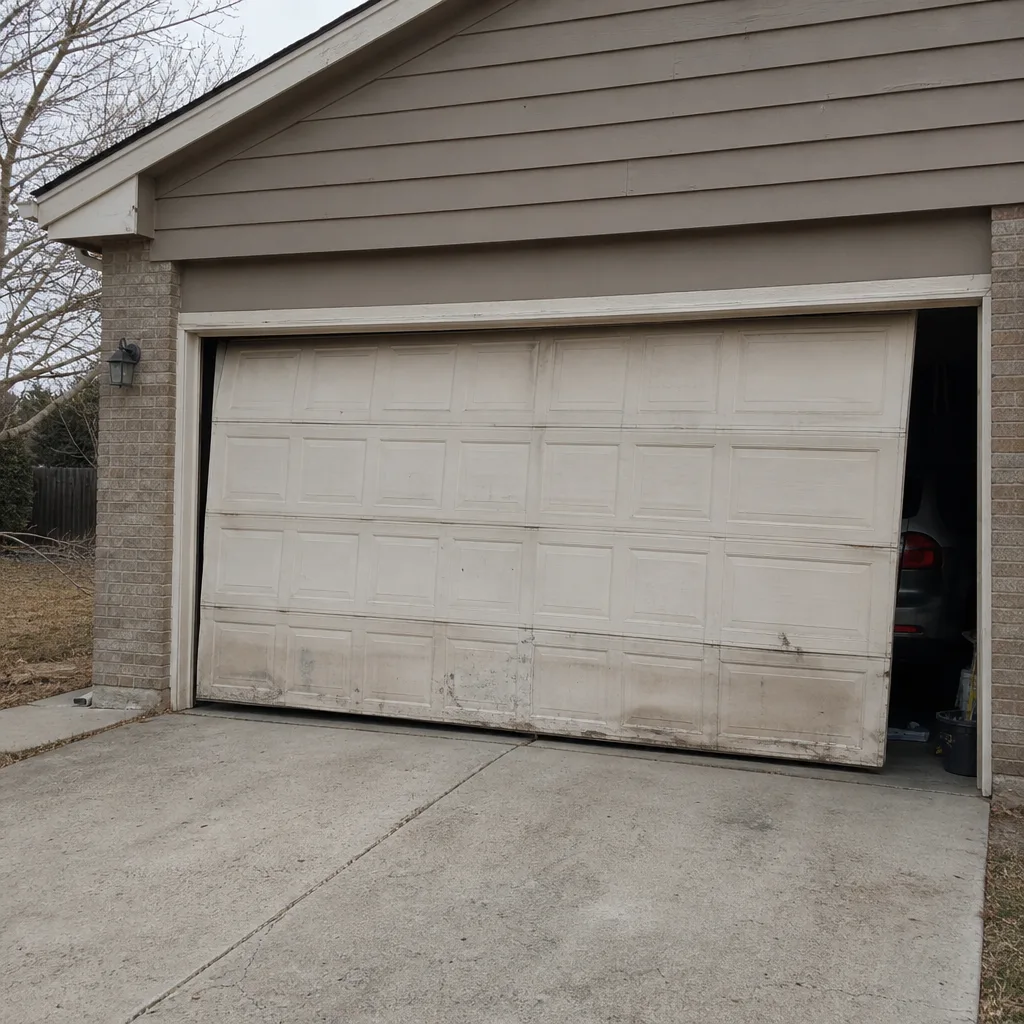 Before
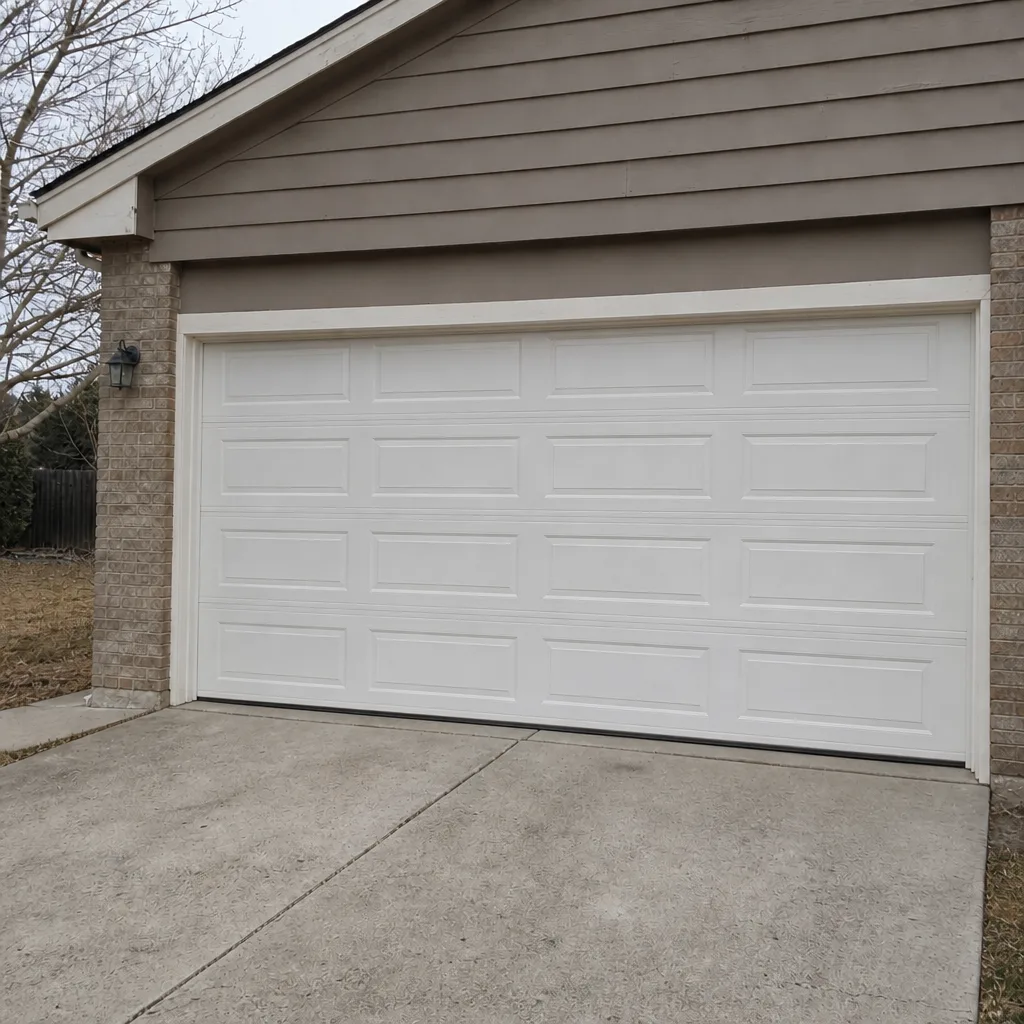 After
Why We Grade the Signs This Way
We’ve built this reference around the failure modes we actually see most, not the ones that generate the most revenue. That matters for a couple of reasons. First, spring failure and cable failure are genuinely dangerous, and a homeowner who doesn’t know that might try a “quick fix” that ends in injury. Second, most warning signs on a garage door are Tier One or Tier Two – meaning they give you time. A door that’s just started to grind, or a door with a slightly loose panel, is not an emergency, and treating it like one pushes homeowners toward rushed decisions and unnecessary replacement.
Our specialty is the garage door, and only the garage door. That means when we look at a symptom, we’re looking at it in the context of the whole system – opener, springs, cables, tracks, panels, hinges, and sensors – because they’re not independent. The brand matters too. The way an Amarr panel moves on its hinges isn’t identical to the way a Wayne Dalton panel does, and a Craftsman opener’s travel adjustment is different from a Chamberlain’s or a LiftMaster’s. When a customer tells us the symptom, the first question we ask is what brand is in the garage, because knowing the specific mechanics narrows the diagnosis quickly.
If you have a Springs reportable symptom – anything Tier Three – the right move is to leave the door alone and call. If you have a Tier Two symptom, you have time, but use it. And if you’re not sure which tier you’re in, that’s a call to (855) 976-4952. We diagnose before we quote, and the estimate is free.
Frequently Asked Questions
The most urgent garage door warning signs – the ones that mean stop using the door immediately – are a separated spring coil, a slack or snapped cable, a door that won’t stay open, a cracked or sagging bracket, and any door that changed how it moves after a loud pop. These are Tier Three because operating the door can cause injury or property damage, and a technician should assess the door before it’s cycled again. Call (855) 976-4952 for an exact quote – estimates are free.
Garage door repair in Saddle Rock is priced per job by a written estimate after we look at the door, because the cost depends on which component failed and what’s connected to it. We don’t quote a number before diagnosing, and we don’t add charges after the quote is agreed. Call (855) 976-4952 for an exact quote – estimates are free.
A grinding noise on a garage door usually means resistance in the opener’s gear and sprocket, or dry rollers and hinges that have lost lubrication. It’s typically a Tier One or Tier Two sign, not an emergency, but it shouldn’t be ignored because resistance wears the opener faster. If the grinding started suddenly and the door also moves unevenly, treat it as Tier Two and schedule a visit. Call (855) 976-4952 for an exact quote – estimates are free.
No. A slow garage door in Saddle Rock is often just weather, because the front-range temperature swings make the door and spring behave differently on cold mornings than they do when the garage warms up. If the door is smooth by afternoon and struggles only in cold snaps, treat it as Tier One and monitor it. If it’s slow every time regardless of temperature, or slower than it was last season, it’s wear and belongs in Tier Two. Call (855) 976-4952 for an exact quote – estimates are free.
In many cases yes, and spring repair is a core service for us rather than a referral, so we handle it in-house with the right parts on hand. A snapped or separated spring is a Tier Three warning sign – do not operate the door until it’s repaired. Call (855) 976-4952. We answer 24/7 with fast dispatch from 7am to 7pm, Sunday through Friday, and we’re closed Saturday.
No. The written estimate is the price, and it’s agreed before any work starts. Diagnosis happens first; we tell you what we found and what the fix involves; the estimate comes after that, in writing. If the diagnosis changes on the day because we find something the initial look missed, we tell you before doing anything. Call (855) 976-4952 for an exact quote – estimates are free.
We work on the brand already in your garage, and our certified service covers the eight most recognized names in North American garage doors: LiftMaster, Chamberlain, Genie, Clopay, Amarr, Wayne Dalton, Craftsman, and Raynor. That means when we diagnose a symptom, we’re working from the specific mechanics of that system, not a generic guess. Call (855) 976-4952 for an exact quote – estimates are free.
If you’re in Tier Three – a separated spring, snapped cable, or a door that won’t stay open – leave the door closed, don’t operate the opener, and secure the garage through another entrance. If you’re in Tier Two, the door can generally still be used carefully, but avoid repeated cycles until the technician has looked at it. If you’re not sure which tier you’re in, call (855) 976-4952 – we can help you decide over the phone. We answer 24/7. Fast dispatch from 7am to 7pm, Sunday through Friday.
The Bottom Line
Garage door warning signs aren’t all created equal, and the whole point of this reference is to help you separate the ones that need immediate action from the ones that need a scheduled visit from the ones that just need watching. The highest-stakes signs – separated springs, slack or snapped cables, cracked mounts, a door that won’t stay open – mean stop using the door. Almost everything else is Tier One or Tier Two, which gives you time to plan rather than react. Saddle Rock’s temperature swings explain a lot of false positives on cold mornings, but the same swings are hard on hardware, so don’t ignore what the door is telling you. When you’re ready for a real diagnosis, we diagnose before we quote. That’s the whole process.
Whether you’re in the middle of a Tier Three situation or you’ve just started hearing a grinding sound and want it looked at, we can help. Garage Door Repair Saddle Rock handles repair, garage door opener repair, spring repair, parts, and garage door installation – a single-trade shop with technicians who have up to 15 years of experience, working on the brands you already own. Call (855) 976-4952 for a free estimate. We answer 24/7, with fast dispatch from 7am to 7pm, Sunday through Friday, closed Saturday. If you want a fast way in, our garage door repair page has the direct path to booking, and the Garage Door Repair Saddle Rock homepage covers the full service range. We’ll diagnose first, quote second, and fix it once.
Written by the team at Garage Door Repair Saddle Rock.