
Last updated November 21, 2026
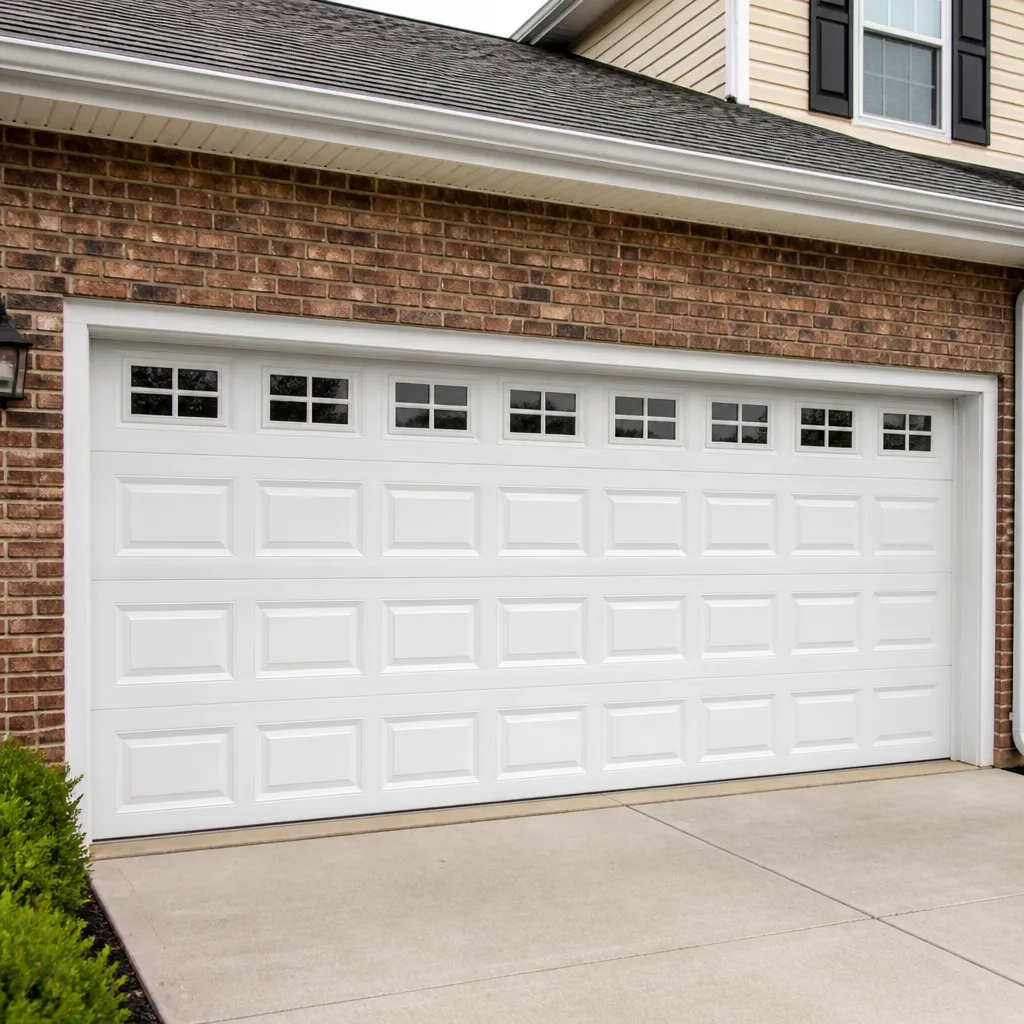 Raised-panel steel
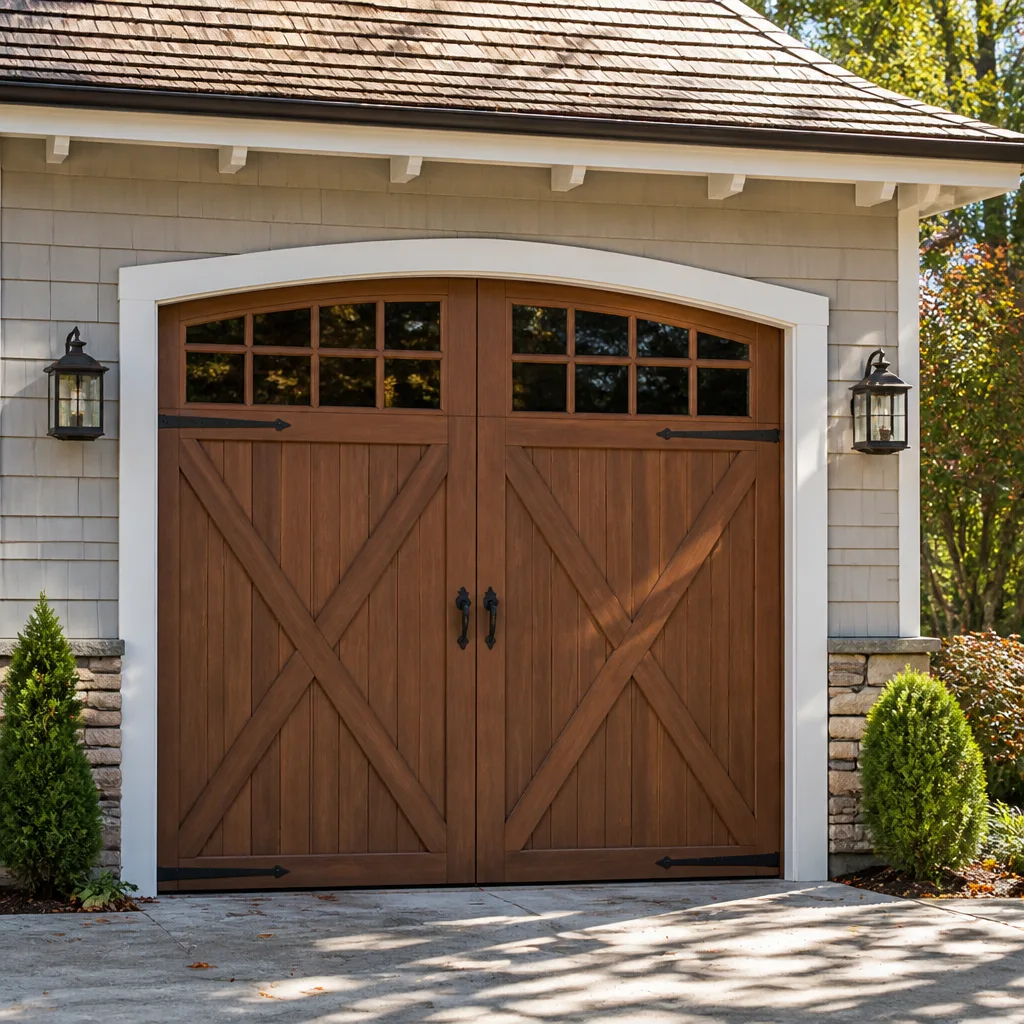 Carriage house
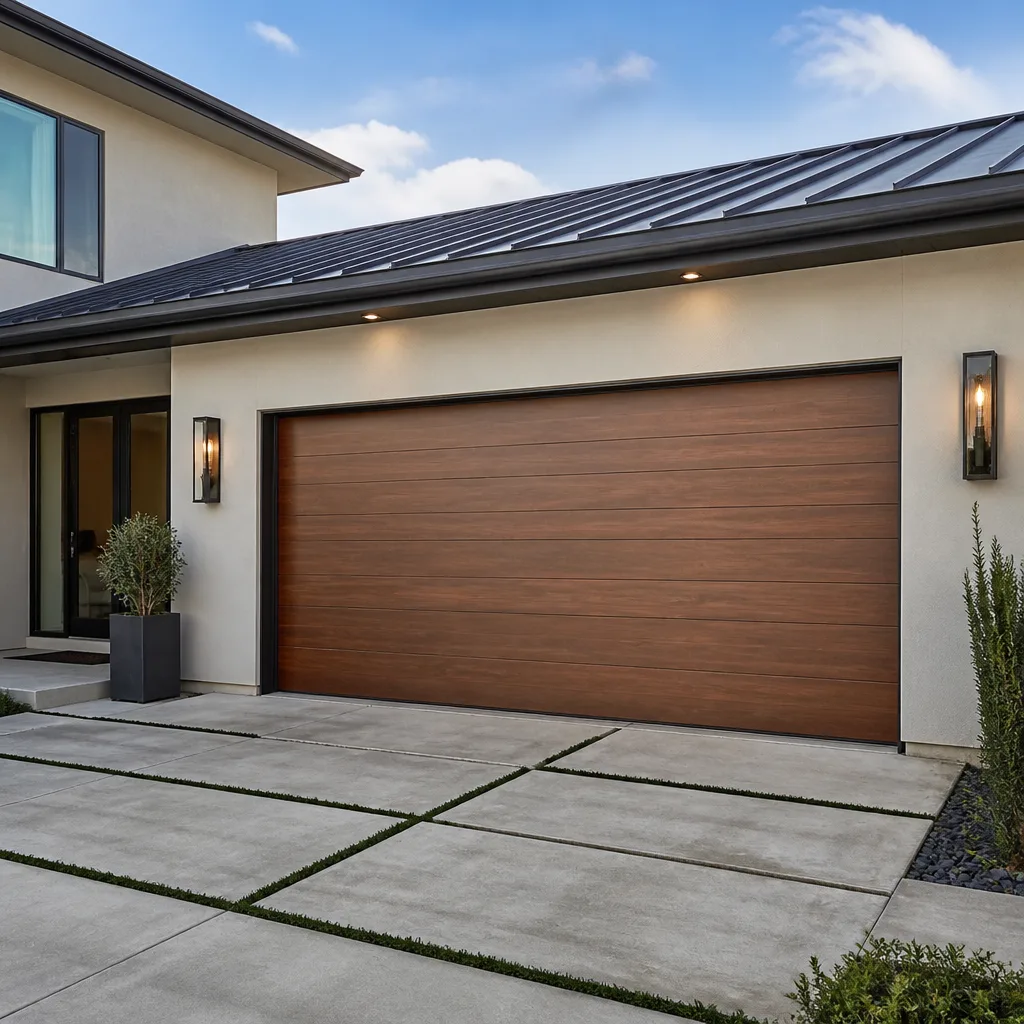 Modern flush
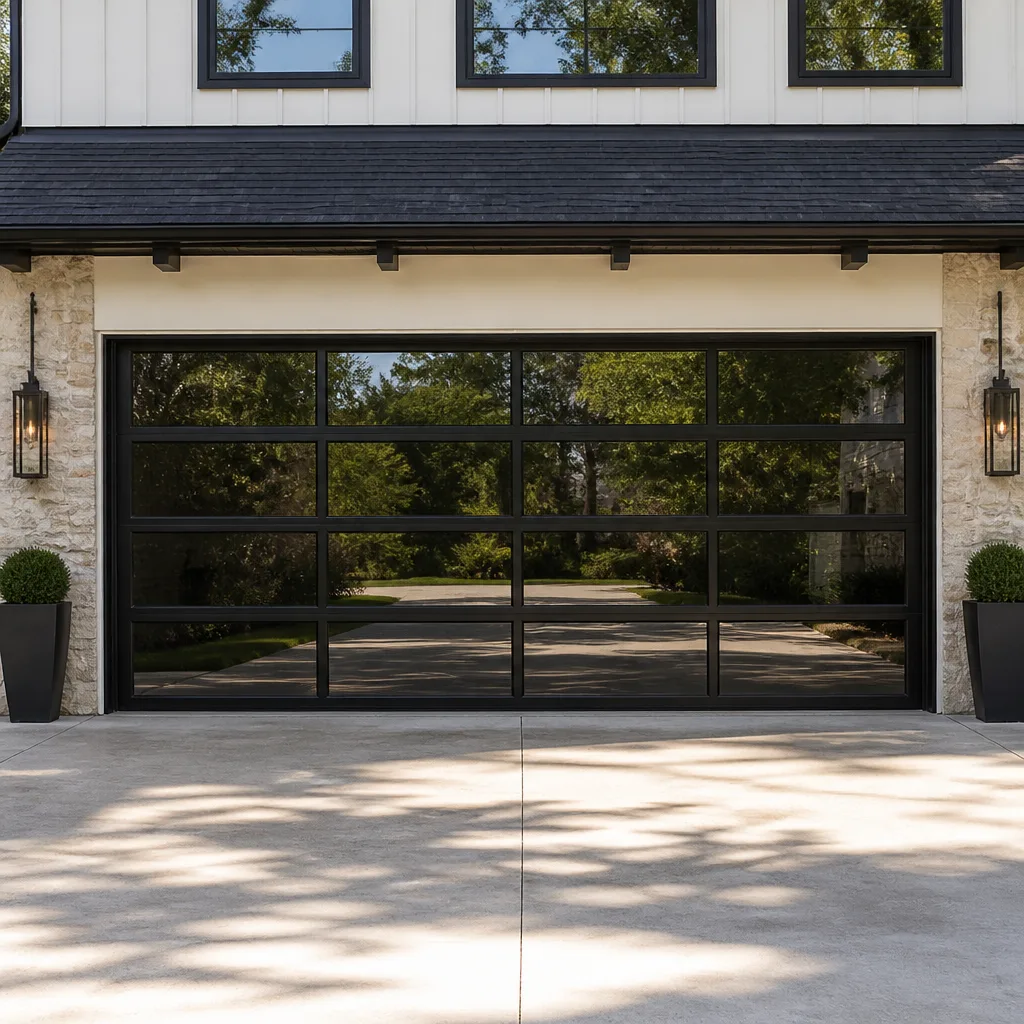 Full-view glass
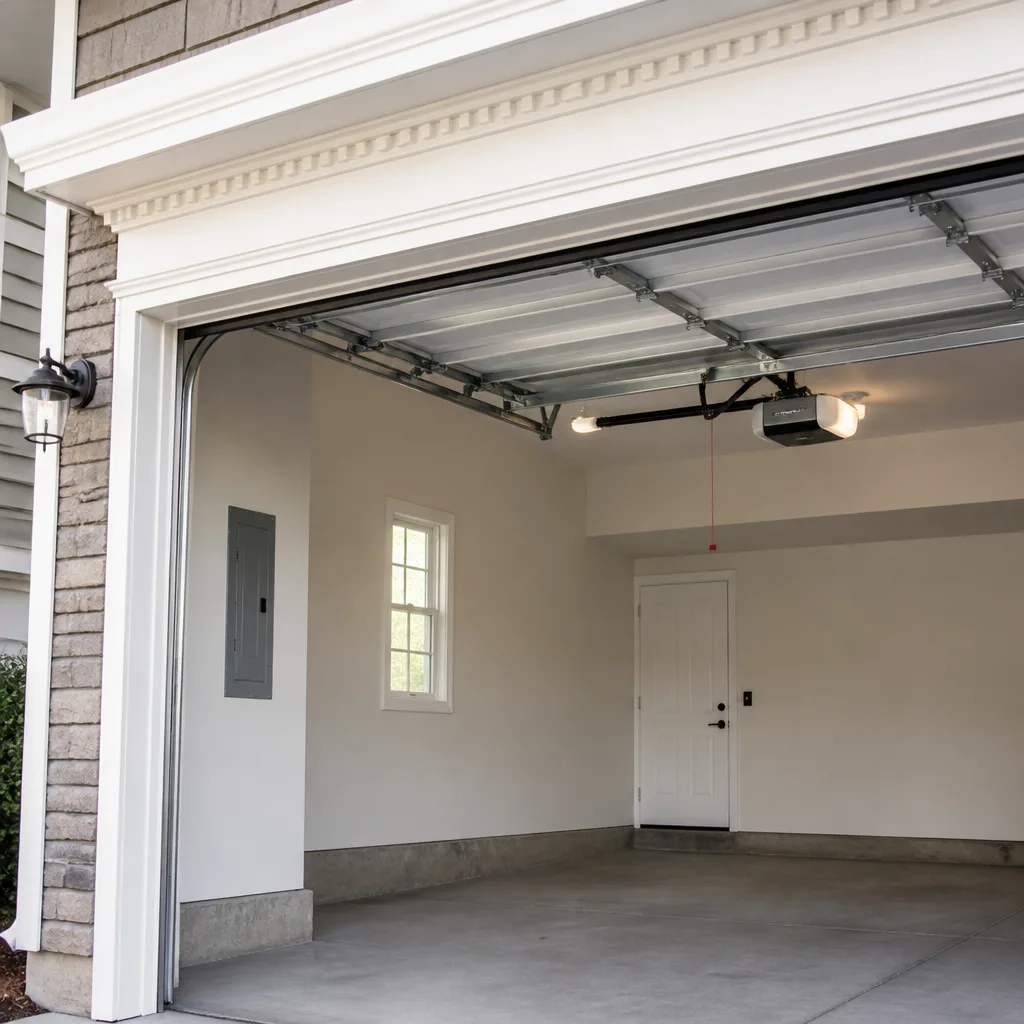 LiftMaster openers
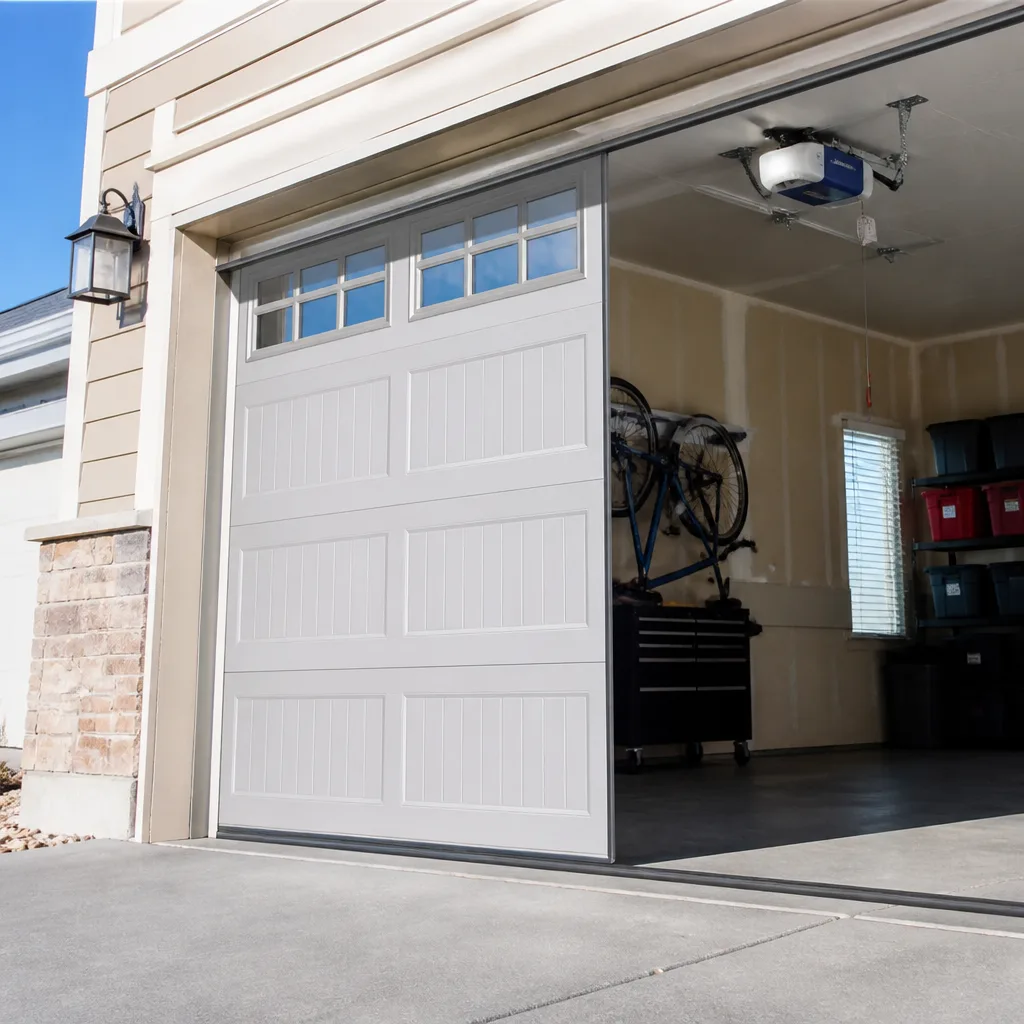 Chamberlain openers
Full 25-point door and opener safety check with every visit - springs, cables, rollers, tracks, and your LiftMaster or Chamberlain opener included
You get a price before we start. It does not change when the pro arrives.
Get your free estimateGarage Door Repair Maintenance Checklist for Saddle Rock Homeowners
Most Saddle Rock homeowners treat their garage door the way they treat their water heater: it works until it doesn’t, and then it’s an emergency. The trouble is that a garage door gives you warning signs for weeks before it fails, and almost nobody is looking for them. A torsion spring doesn’t snap out of nowhere. It loses tension slowly, opens with a slightly different sound, and leaves a visible gap in the coil long before it lets go. The checklist below is built to catch those signs early. We’ve organized it task by task, with pass/fail criteria for each one, so you know when a finding is something you can handle and when it’s a call to a technician.
Styles & brands we work with
- Raised-panel steel
- Carriage house
- Modern flush
- Full-view glass
- LiftMaster openers
- Chamberlain openers
Quick Answer
A useful garage door maintenance checklist covers four things every quarter: spring condition, cable and roller wear, door balance, and the auto-reverse safety test. In Saddle Rock’s dry, high-altitude climate and hard freeze-thaw cycles, lubrication should happen more often than most national guides suggest. Anything involving springs, cables, or the torsion assembly is a technician job, not a homeowner one.
Table of Contents
- Why a Checklist Beats a Repair Bill
- Spring Inspection: What Passes and What Fails
- Cable, Roller, and Track Checks
- The Balance Test and Auto-Reverse Test
- Lubrication on a Colorado Schedule
- Seasonal Timing for Saddle Rock’s Freeze-Thaw Calendar
- Owner-Serviceable vs. Technician-Only Tasks
- Common Mistakes to Avoid
- When to Call a Professional
- Frequently Asked Questions
Why a Checklist Beats a Repair Bill
The garage door is the largest moving object in most homes, and it’s also the one piece of equipment that gets the least attention. Furnaces get annual service. Water heaters get flushed. The door that opens and closes several times a day, every day, in a climate that swings from summer heat to hard winter cold, usually gets nothing until it stops working.
A checklist changes that because it turns a vague “keep an eye on it” into a set of specific things to look at, in order, with a clear standard for what’s normal. When you know a torsion spring should show tight, evenly spaced coils, you notice a gap because you’re looking for one, not because something later goes wrong. When you know how to test the door’s balance, you catch a weakening spring months before it fails.
There’s a practical side to this, too. Garage door problems tend to cascade. A worn roller drags, the drag stresses the opener, the opener motor works harder and overheats, and a small issue becomes a bigger one. Catching the roller early costs less than replacing it along with the components it took down with it. In our experience, the homes that need the fewest emergency repairs are the ones where somebody is paying attention every few months.
And when your door does need work, having a specialist you already know makes it easier. Garage Door Repair Saddle Rock handles the full range of garage door work, so you’re not starting from scratch on a referral when something goes wrong.
Spring Inspection: What Passes and What Fails
Torsion springs sit above the door on a metal shaft. They’re under enormous tension at all times, and they perform a job that can kill or seriously injure someone who mishandles them. This is a visual inspection only. Don’t touch the springs, don’t try to adjust the winding, and don’t put your hands anywhere near them for any reason.
Here’s how to inspect them with your eyes from a safe distance:
What Passes
- The coils are tight, evenly spaced, and sit close together along the length of the spring.
- The spring runs level along the shaft, without sagging or bending downward in the middle.
- You don’t see rust staining on the coil edges or flakes of metal on the floor underneath.
- The door opens quietly and evenly, with the same level of effort from top to bottom.
What Fails
- Gaps in the coil. If the spring is still intact but the coils look spread apart or separated, it’s losing tension. A spring with a visible gap has aged out of its working range even if it hasn’t broken. That’s a technician call.
- Visible rust or metal flakes below. Rust weakens the wire from within. Flakes of metal on the garage floor under the spring are a strong sign that the wire is failing internally.
- An obviously snapped spring. You’ll hear it when it goes (it sounds like a gunshot from inside the house), and the door becomes almost impossible to lift by hand. This is a call, not a repair.
- A loud, uneven, or grinding sound when the door moves. A grinding cycle usually means the spring is binding or the cable is running loose, and both need attention.
One important note on springs: torsion springs are matched pairs. If one has snapped or gone out of spec, the standard practice is to replace both, because the second spring has lived through the same stress. Cost for a single spring in the Saddle Rock market typically runs $200 to $400, and a matched pair runs roughly double that. Any technician who quotes a single-spring price on a paired system without explaining why is cutting corners.
If any of the fail conditions above apply, that’s the part of this checklist where you stop looking and call. Spring work is exactly the type of job we specialize in, and garage door repair around a failed spring is one of the most common services we perform.
Cable, Roller, and Track Checks
Cables and rollers are the working parts of your garage door’s travel. They wear over time, and unlike springs, most of the wear shows up as visible changes you can check during a walk-around. Do these checks with the door closed.
Cable Pass/Fail
- Pass: The cables are tight, running evenly along their paths, with a clean, smooth surface and no loose wires.
- Fail: You see fraying (individual wires poking out of the braid), kinks, or a cable that’s sagging loose on one side. Frayed cables under tension can snap, and a snapped cable is dangerous. Don’t try to remove or adjust one.
Roller Pass/Fail
- Pass: Rollers spin freely, sit straight in their brackets, and don’t wobble or squeal when the door moves.
- Fail: Rollers are flat on one side (which causes a bumpy ride), visibly cracked, or frozen in place and dragging. Nylon rollers wear down; steel rollers can seize with age. Worn rollers are a common source of the wobble or thump that homeowners notice first.
Track Pass/Fail
- Pass: The tracks are straight, parallel, and clean, with no dents. The door rolls along without catching.
- Fail: You see visible dents, bends, or a gap where the door pulls away from the track as it opens. Bent tracks are usually a technician repair because they need to be straightened or replaced with proper alignment.
If the door hesitates, binds, or stops partway, that’s a sign of dragging hardware and deserves a proper diagnostic before it damages the opener. The garage door opener repair page has more on what opener strain looks like when it’s failing.
The Balance Test and Auto-Reverse Test
These are the two checks most homeowners skip, and they’re the two that tell you the most about the health of the whole system. Both are safe to do yourself with no tools, but they need to be done carefully.
The Balance Test: How to Run It
- Disconnect the opener using the emergency release cord, so only the door’s own spring system is supporting it.
- Lift the door to about waist height by hand.
- Let go and step back.
- Watch what happens.
Pass: The door stays basically where you left it, or drifts down very slightly. Fail: The door climbs upward on its own, sags down quickly, or won’t hold position. A fail on the balance test means the springs are out of adjustment or wearing out. Don’t try to correct it yourself; put the door back down slowly, reconnect the opener, and call for service.
The Auto-Reverse Test: How to Run It
- With the door open and the opener engaged, place a piece of wood or a roll of paper towels (2 inches thick) flat on the floor in the door’s path.
- Close the door using the opener.
- Watch for the door to reverse when it contacts the object.
Pass: The door contacts the object and immediately reverses direction. Fail: The door keeps pressing down or doesn’t reverse at all. This is a safety failure and should be fixed before the door is used again. The test only verifies the door’s contact reversal; the photo-eye sensors at the bottom of the tracks also need to be tested by placing an object in front of one of them while the door is closing.
If the door passes the balance test but the auto-reverse fails, you may have an opener limitation, a sensor alignment issue, or a worn safety mechanism, and a technician can trace it quickly. Our team has worked the whole range of openers, from legacy units to modern Wi-Fi-connected systems, and we can diagnose the source without guesswork.
Lubrication on a Colorado Schedule
Saddle Rock’s dry, high-altitude climate changes the lubrication picture. National guides tend to recommend a light annual application. That’s too infrequent here. Low humidity pulls moisture out of lubricant faster, and the swing between dry summer heat and cold winter air accelerates evaporation and drying. Add in the dust that comes from living at the foot of the foothills, and the result is that the moving parts in your garage door system dry out and begin to wear faster than they would in a more humid climate.
In our experience, a Saddle Rock garage door should get a lubrication session at least twice a year, and some homeowners with fully exposed, dusty doors benefit from a quarterly touch-up. A lightweight garage door lubricant (not WD-40, which is a solvent rather than a lubricant) applied to the spring, hinges, rollers, and the metal parts of the track is the right approach.
What to Lubricate
- Torsion spring coils (applied lightly along the length; don’t spray into the winding mechanism).
- Hinge pivots.
- Roller stems and bearings.
- The curved portion of the track where the door turns.
What Not to Lubricate
- The straight portions of the track. Grease there attracts grit and causes rollers to skid.
- The photo-eye lenses at the bottom of the track. They need to be clean, not coated; wipe them with a dry cloth.
- Cables. Cable wire is designed to run dry; lubricant attracts dust and accelerates wear.
A properly lubricated door is quieter, moves more freely, and puts less strain on the opener. If the hardware on a Clopay or Amarr door in your garage has been sitting dry for a while, you’ll hear the difference the first time you apply the right product. When a worn part needs replacing, garage door installation of new hardware, or a parts order for a same-visit repair, is something we handle directly.
Seasonal Timing for Saddle Rock’s Freeze-Thaw Calendar
Generic quarterly checklists don’t line up with how a garage door actually weathers in Saddle Rock. The freeze-thaw cycle is the real driver, and the timing of the checks should follow it. Here’s how we’d map the Saddle Rock year:
Late Fall (Before the First Hard Freeze)
- Lubricate all moving parts. Dry summer and fall have likely dried things out.
- Inspect door seals and weatherstripping along the bottom and sides for cracks, stiffening, or gaps. Cold air entering the garage through a failed seal puts more load on the opener and can lead to condensation issues inside.
- Test balance and auto-reverse while you can still open the door comfortably.
Mid-Winter (Deep Freeze)
- Check for a frozen door or track. Metal contracts in the cold, and a door that scraped in the summer can bind in the winter.
- Listen for new noises; a metal-on-metal sound in January that wasn’t there in October is a sign that something has worn or come loose.
- Clean the photo-eye lenses on a regular basis. Grit from winter road dust and dry winds settles on them and causes “phantom” reversals.
Early Spring (First Thaw)
- Full inspection: springs, cables, rollers, and tracks. The thaw is when cracked seals and loosened hardware announce themselves.
- Re-lubricate the moving parts. Winter drying and grit accumulation make early spring the most important single lubrication date of the year.
- Check the torsion spring area for new gaps. Freeze-thaw cycles stress the spring assembly, and early spring is when a spring that was marginal in the fall usually fails.
Mid-Summer (Dry Season)
- Inspect and re-lubricate the door hardware and opener chain or belt.
- Clean and test the photo-eye sensors, which pick up more dust in the dry months.
- Look for heat-related issues on the opener motor, particularly if the garage has no insulation and can reach high indoor temperatures mid-day.
Late Summer (Pre-Winter Prep)
- Run the full balance test and repeat the auto-reverse test.
- Inspect the weatherstripping and bottom seal one more time before the cold.
- Schedule any deferred repairs now, before the first freeze brings higher demand.
On the opener side, we work with LiftMaster, Chamberlain, Genie, and Craftsman units, which cover most residential openers installed in Saddle Rock homes. Each brand has its own quirks in how its limit switches, force settings, and safety mechanisms behave, and a technician who knows the specific mechanics can shorten the diagnostic process considerably.
Owner-Serviceable vs. Technician-Only Tasks
The whole point of a checklist with pass/fail criteria is to move the line in the right place: some items are yours to handle confidently, and others are genuinely a technician call for safety and equipment reasons. Here’s our way of drawing that line.
Owner-Serviceable
- Lubrication of springs, hinges, rollers, and the curved track. This is straightforward and safe as long as you don’t get near the winding cone or the torsion cable drum.
- Cleaning the photo-eye sensors with a dry cloth. Simple and safe.
- Running the balance test and auto-reverse test without tools. Safe if you follow the steps and don’t force anything.
- Visual inspections of springs, cables, rollers, and tracks. Looking is fine; touching is not.
- Replacing batteries in the remote or wall keypad. No risk here.
- Replacing a bottom weather seal on a door where the seal is fastened by a standard retainer and the door itself doesn’t need adjusting.
Technician-Only
- Spring repair or replacement. A torsion spring stores enough energy to break bones or worse. It is not a DIY project, and we never recommend it, even with the best videos available online.
- Cable replacement or adjustment. Cables are also under high tension, and a loose cable that suddenly releases can whip with dangerous force.
- Balancing or re-tensioning the torsion assembly. This requires winding bars and specific knowledge.
- Track straightening. A distorted track needs precision alignment to avoid forcing the door off its rollers.
- Opener repair or replacement. Electrical work on a wired appliance, plus the door drive mechanism, is not a homeowner-safe task. Even an opener that only “seems” fine can be hiding a board failure or a limit-switch problem.
- Hinge or panel replacement where the door is out of balance or the hardware is under load.
Some of the best work we do is telling a homeowner which column a specific finding belongs in. It’s not a matter of being cautious; it’s a matter of which tasks are safe and which ones aren’t.
Common Mistakes to Avoid
- Lubricating the tracks. Tracks should be clean and dry; grease in the straight tracks collects grit and turns into a grinding paste. Save the lubricant for the springs, rollers, and hinges.
- Tightening every bolt you can reach. Some bolts in the garage door assembly are meant to have a specific amount of give. Overtightening them can distort the door’s frame and cause it to run out of square. Check for loose fasteners, but don’t force them.
- Assuming newer means maintenance-free. A freshly installed Clopay, Wayne Dalton, or Amarr door still needs lubrication and seasonal inspection from month one, particularly in Saddle Rock’s dry climate where hardware dries out quickly.
- Running the door with an unrepaired spring. Many homeowners lift a door with a broken spring by hand and push it back up, thinking they’ll schedule service later. This puts enormous strain on the opener and can force the door off its track; a door with a broken spring should not be operated.
- Ignoring a slow-opening door. A door that takes longer to open than it used to often has a worn spring or a binding roller. Waiting usually turns a small repair into a larger one.
- Skipping the auto-reverse test because the door “works fine.” The safety reversal is the most important safety mechanism on the door and the one most likely to quietly stop working.
- Waiting until winter to schedule service. In our experience, garage door failures cluster around the first hard freeze and the first thaw. Scheduling a seasonal inspection in fall and early spring keeps you out of the peak-demand scramble.
When to Call a Professional
Some findings are a check and some are a call. Call a professional immediately if: a spring has snapped or shows visible coil gaps; a cable is frayed or visibly slack; the door sags, opens unevenly, or drops on its own; the auto-reverse test fails; the door comes off its track or binds severely; the opener motor runs but the door doesn’t move; or you hear metal-on-metal grinding during travel. Also call if the door is more than a few years old and has never been professionally serviced: a technician can confirm what the seasonal checks have been missing. Garage Door Repair Saddle Rock offers free estimates in Saddle Rock. Call (855) 976-4952. We answer 24/7, with fast dispatch from 7am to 7pm, Sunday through Friday. Our technicians have up to 15 years of experience and work the brands already in your garage.
Frequently Asked Questions
Four times a year, timed to Saddle Rock’s freeze-thaw calendar rather than generic quarterly labels. A full check before the first hard freeze, a mid-winter visual pass, a thorough spring inspection at the first thaw, and a summer lubrication and safety test make a solid annual rhythm. Call (855) 976-4952 for a free estimate if your checks turn up anything in the technician-only column.
Yes, with a lightweight garage door lubricant applied along the length of the coils, as long as you don’t touch the winding cone or adjust anything. The spring itself is safe to coat on the outside. What’s not safe is removing, winding, or unwinding it, or getting your hands near the torsion assembly. Call (855) 976-4952 if you see gaps in the coil or visible rust; those need a technician.
A single torsion spring repair typically runs $200 to $400 in the Saddle Rock market. Because springs are matched pairs, a paired replacement is usually recommended and runs roughly double the single-spring figure. The written estimate sets the final price, and no work starts until you’ve agreed to it. Call (855) 976-4952 for an exact quote; estimates are free.
That combination usually points to an opener issue rather than a spring issue: a misaligned sensor, a worn safety mechanism, or a limit-switch setting that’s drifted. Don’t keep operating the door until it’s checked, because the reversal is the door’s main safety feature. Call (855) 976-4952 and a technician can trace it quickly on the first visit.
Saddle Rock’s dry, high-altitude air pulls moisture out of lubricant faster than a humid climate does, and the freeze-thaw cycle adds stress to the moving parts. Most national guides recommend annual lubrication. Here, twice a year is a safer minimum, and a quarterly touch-up on dusty or exposed doors is common. Call (855) 976-4952 if you want a technician to check which brand and model hardware you have before you buy lubricant, since some Clopay and Wayne Dalton assemblies are best served by specific products.
For homeowners who are comfortable with the owner-serviceable tasks, doing the routine checks yourself and booking a professional inspection once a year is a practical split. A technician can spot wear patterns you wouldn’t know to look for, particularly on the torsion assembly and opener mechanisms. Call (855) 976-4952 for a free estimate and we’ll tell you honestly what the door needs.
The Bottom Line
A garage door maintenance checklist works when each task has a clear pass/fail line and a clear answer about who should do it. The owner-serviceable column is real: lubrication, sensor cleaning, the balance test, the auto-reverse test, and visual inspections. The technician column is equally real, and it’s where spring, cable, and opener work belong for safety reasons. Follow the Saddle Rock calendar rather than a generic one, lubricate more often than national guides suggest, and treat a spring gap or a failed auto-reverse as an immediate call. That rhythm catches the problems early, when they’re still repairable, and keeps the door moving through any season. If something on this checklist fails, or you’d rather have a technician run the whole thing, call (855) 976-4952 for a free estimate. We answer 24/7, with fast dispatch from 7am to 7pm, Sunday through Friday. Spring repair, opener service, parts, and full installation are all under one roof, so you don’t need a second call.
Written by the team at Garage Door Repair Saddle Rock.
See the difference
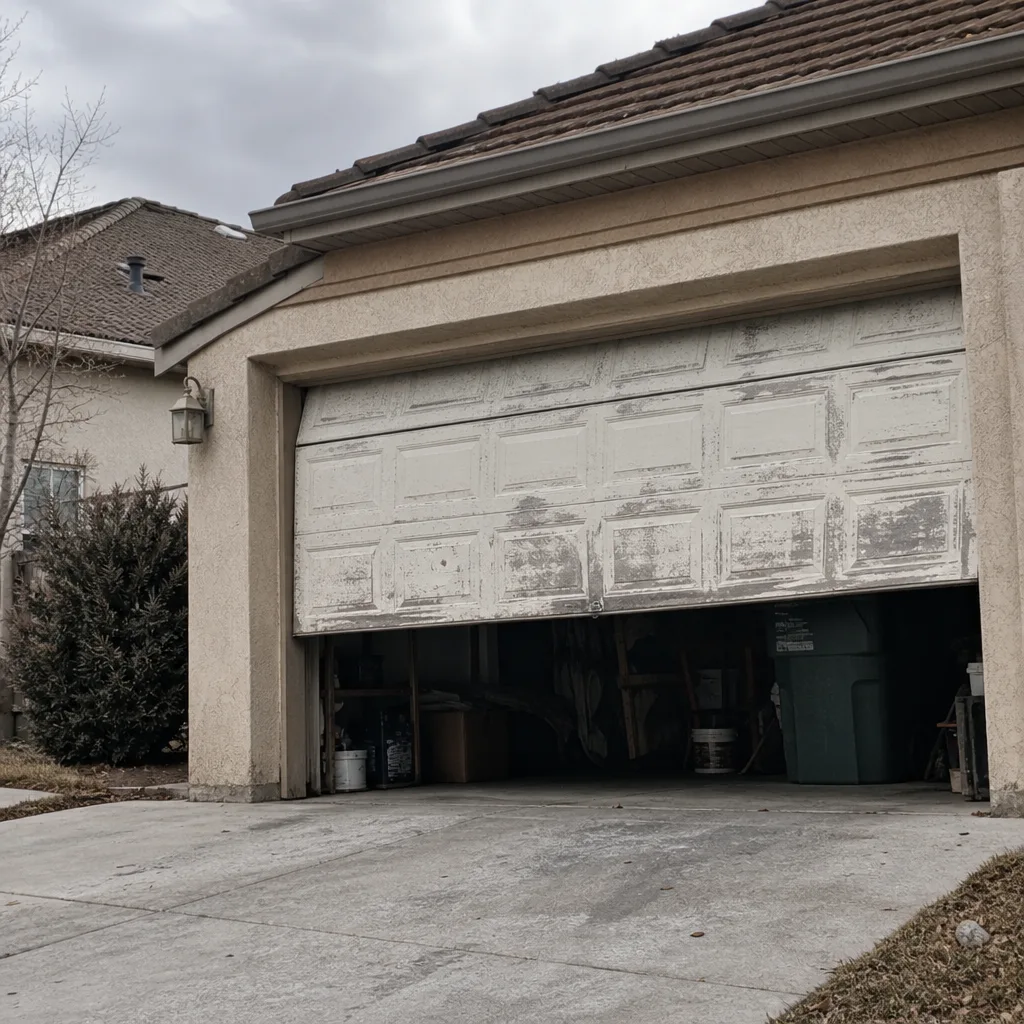 Before
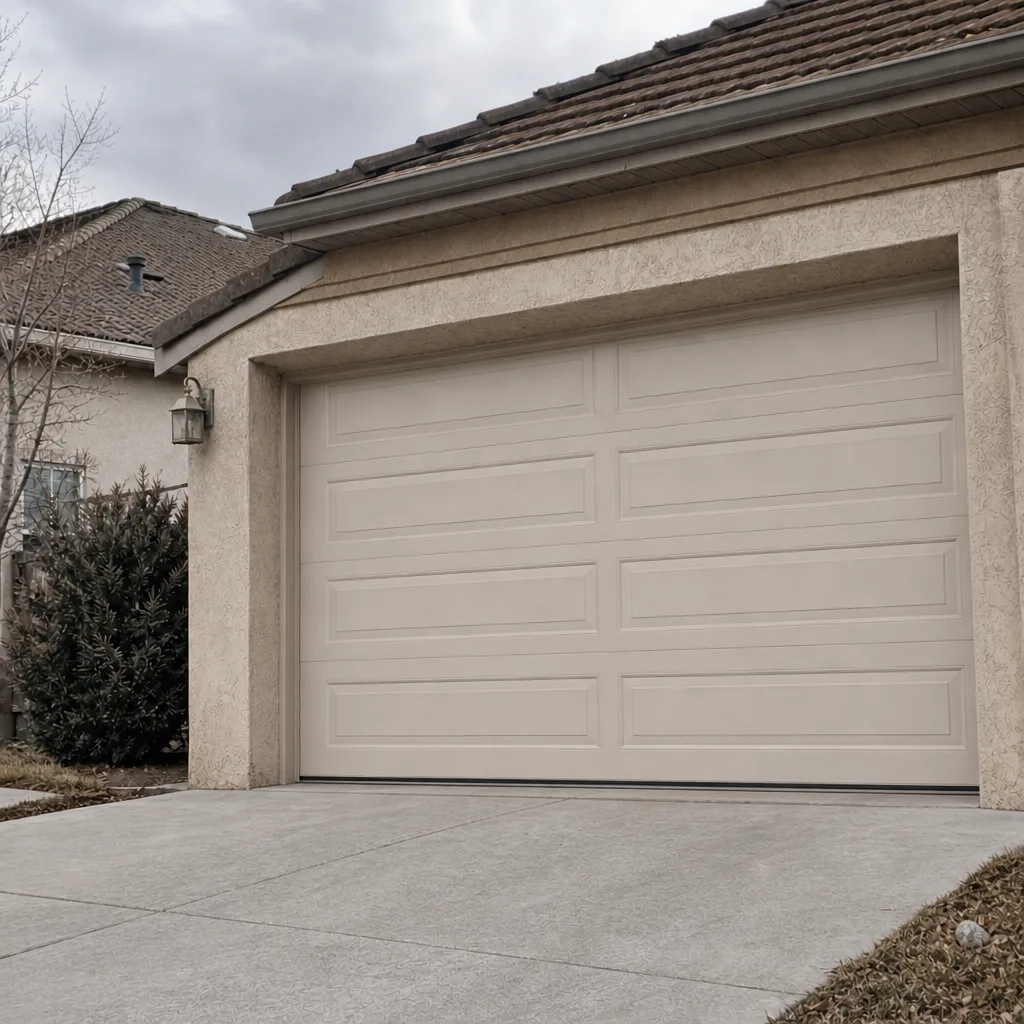 After
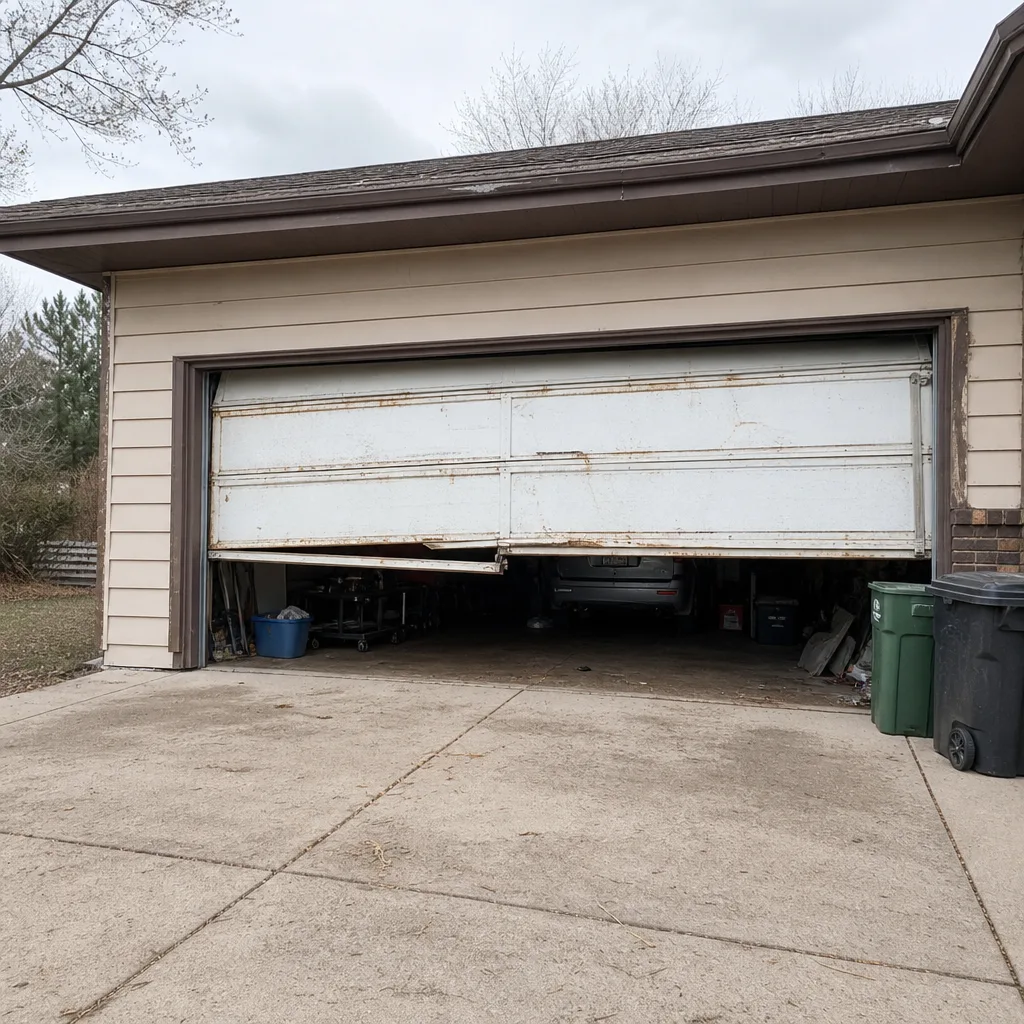 Before
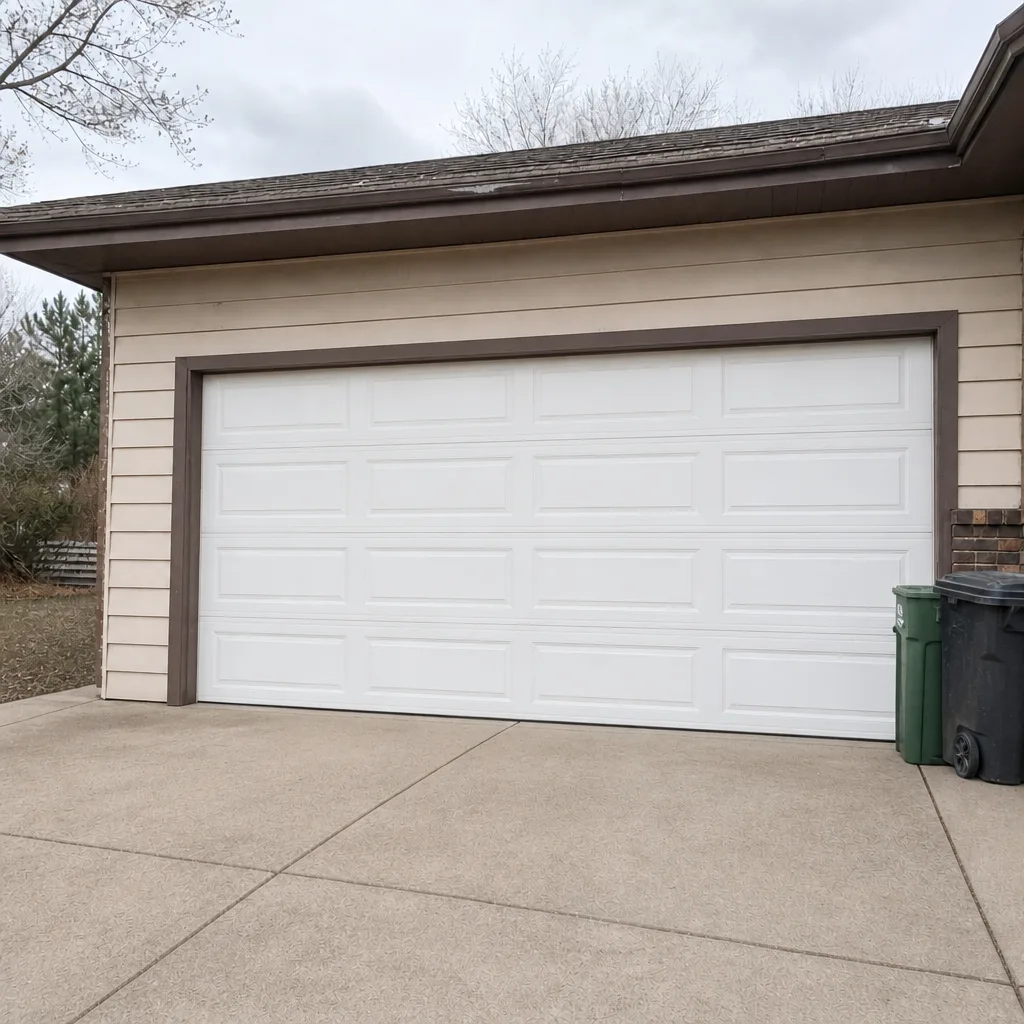 After
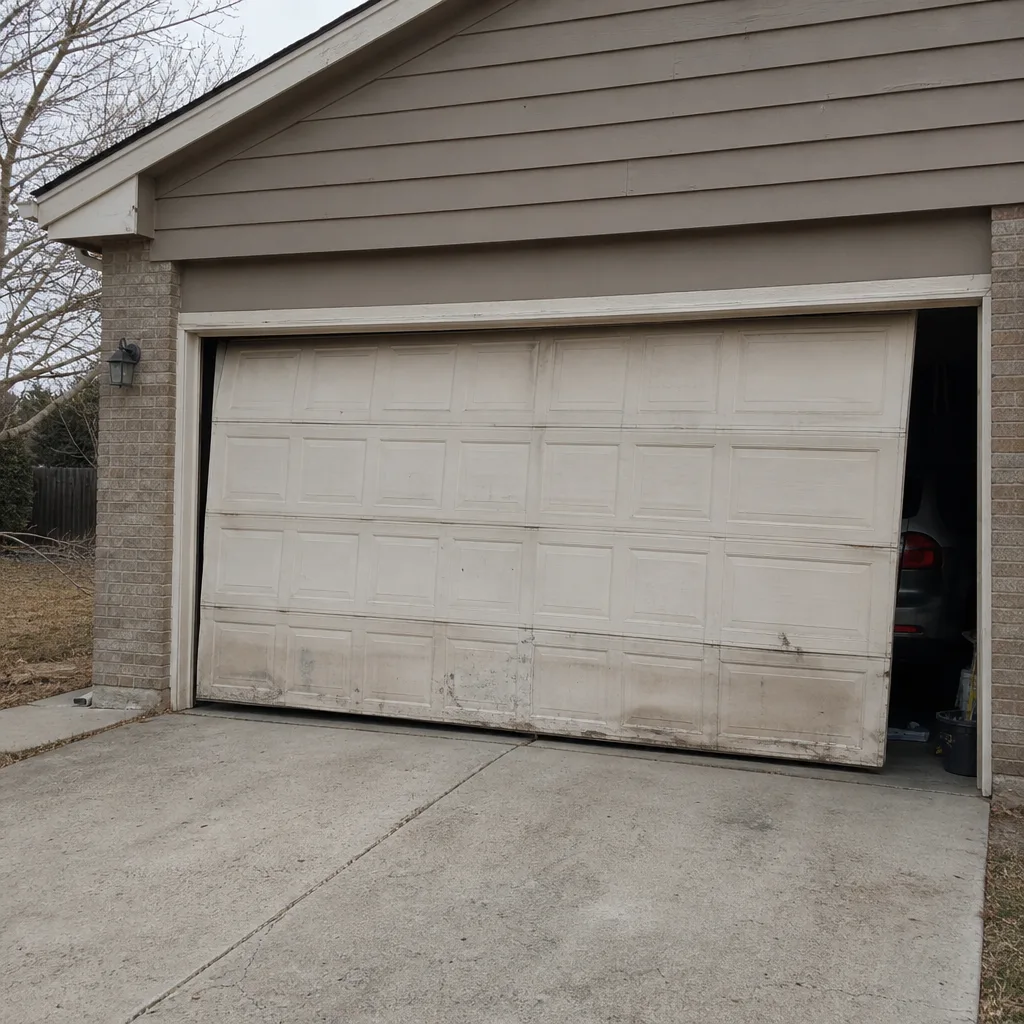 Before
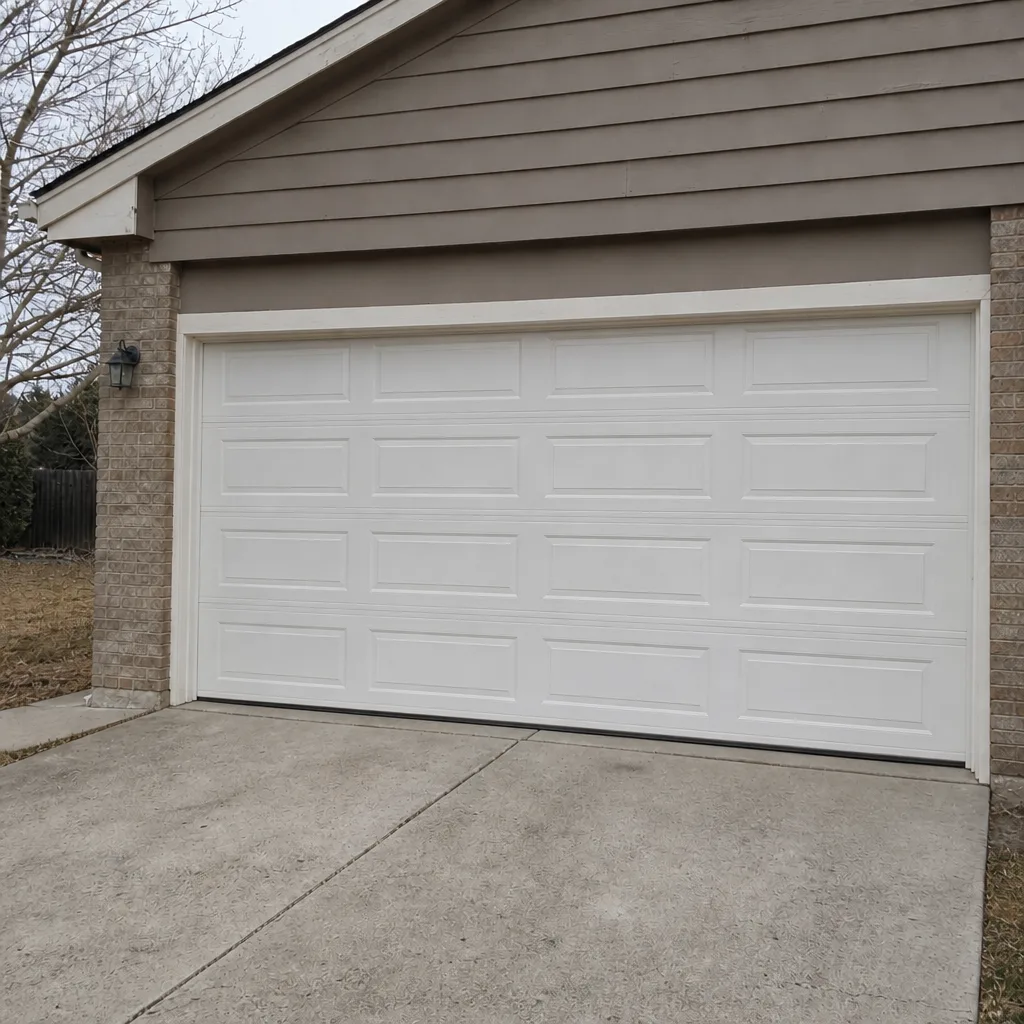 After