
Last updated November 21, 2026
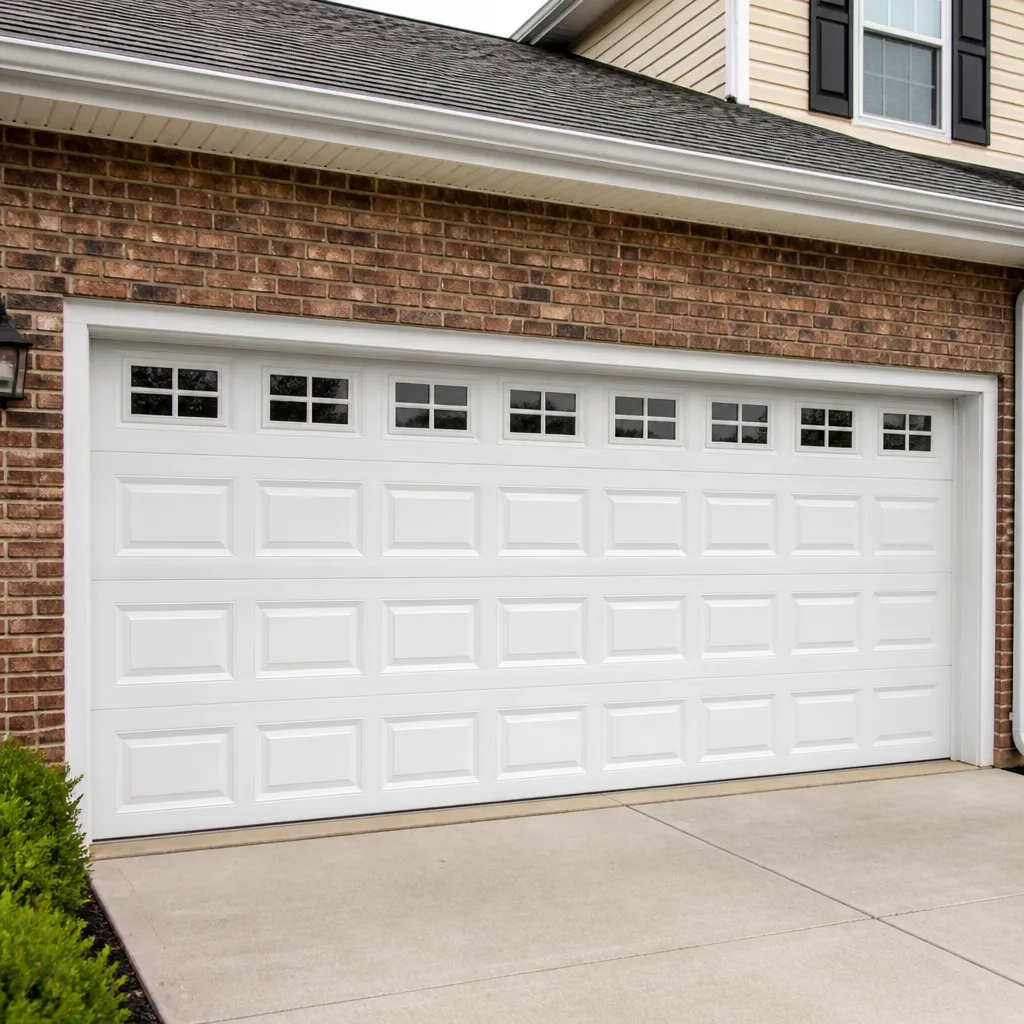 Raised-panel steel
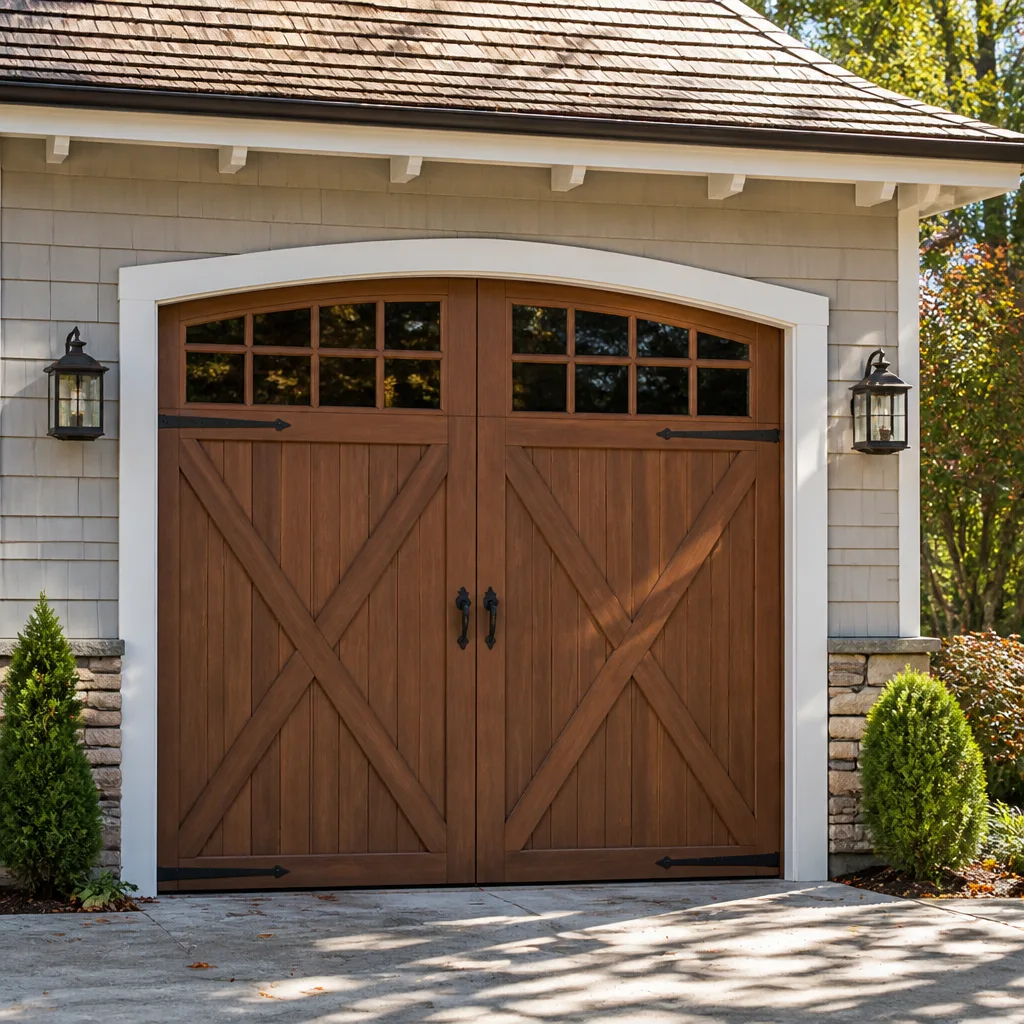 Carriage house
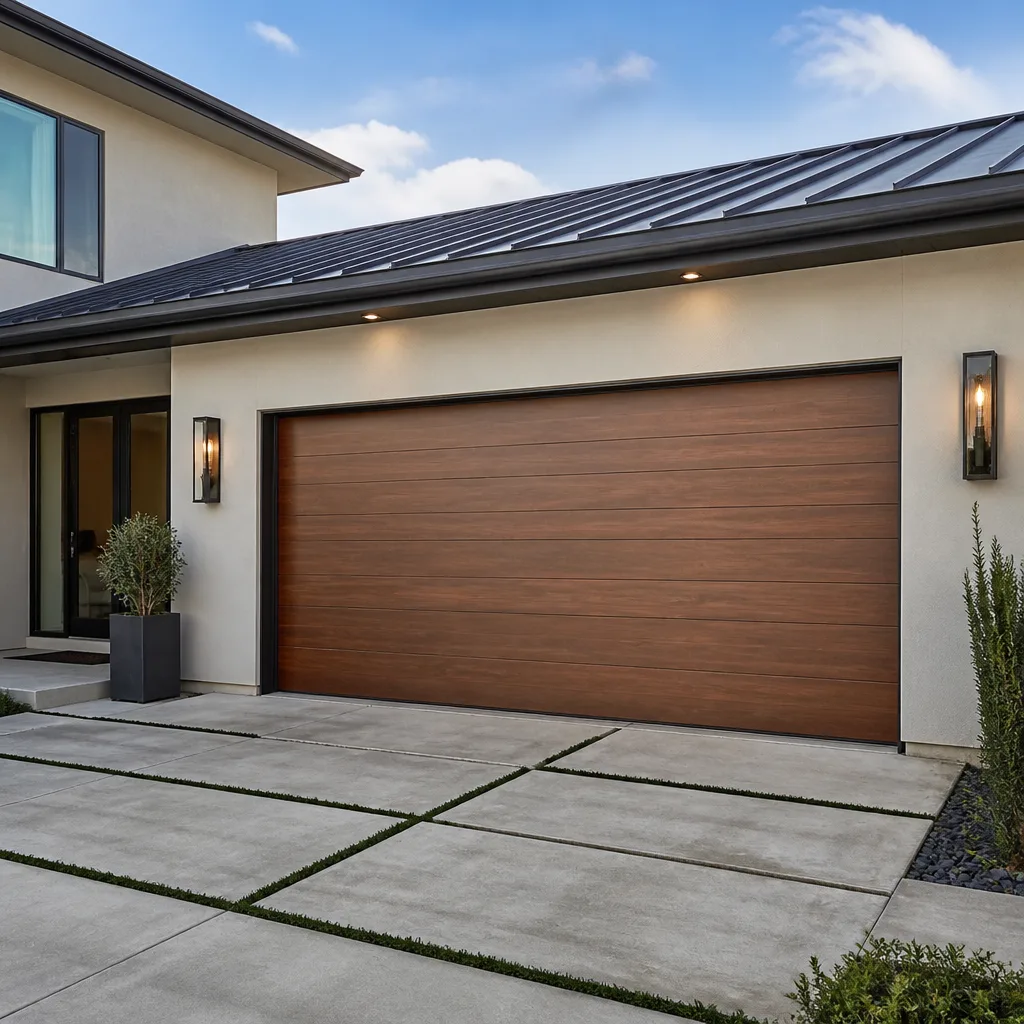 Modern flush
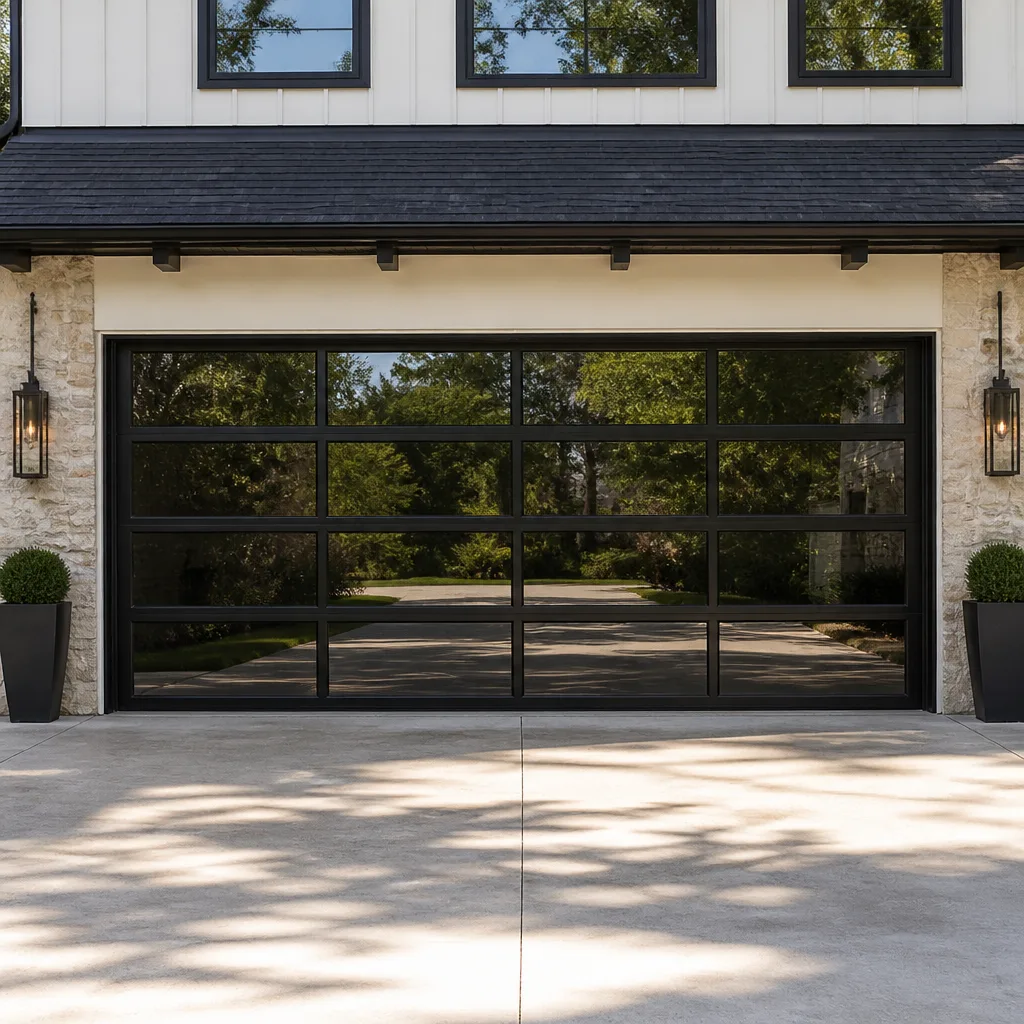 Full-view glass
 LiftMaster openers
 Chamberlain openers
Full 25-point door and opener safety check with every visit - springs, cables, rollers, tracks, and your LiftMaster or Chamberlain opener included
You get a price before we start. It does not change when the pro arrives.
Get your free estimateSeasonal Garage Door Care for Saddle Rock: Year-Round Homeowner’s Guide
Most homeowners think January is the hardest month on a garage door. In Saddle Rock, it usually isn’t. The damage tends to happen in March and October, when the temperature swings back and forth across the freezing point and every moving part of your door expands, contracts, and works itself loose a little more each cycle. By the time deep winter arrives, the wear has already been done. This guide walks through what to inspect and when, season by season, with the specific tasks that matter in Saddle Rock’s dry summers, freeze-thaw shoulder seasons, and hail-prone springs. You’ll get concrete checkpoints, not vague reminders.
Quick Answer
The most important seasonal garage door care in Saddle Rock happens in the shoulder months of March and October, when repeated freeze-thaw cycles stress seals, weatherstripping, and hardware more than the coldest days of winter do. Fall prep means sealing gaps before the ground freezes, winter means adjusting opener sensitivity as lubricants thicken, spring means checking panels after hail, and summer means protecting wood and composite doors from high-altitude UV. Balance checks after temperature extremes are the task most homeowners skip.
Styles & brands we work with
- Raised-panel steel
- Carriage house
- Modern flush
- Full-view glass
- LiftMaster openers
- Chamberlain openers
Table of Contents
- Why Saddle Rock’s Shoulder Seasons Do the Most Damage
- Fall Prep: Sealing Before the Ground Freezes
- Winter: Opener Sensitivity and Cold-Weather Adjustments
- Spring: Hail Damage Assessment for Steel, Wood, and Fiberglass
- Summer: UV Degradation at Altitude
- The Annual Task Everyone Skips: The Balance Check
- The Saddle Rock Month-by-Month Maintenance Calendar
- Choosing Parts That Match the Brand Already in Your Garage
Why Saddle Rock’s Shoulder Seasons Do the Most Damage
Freeze-thaw cycling is harder on a garage door than steady cold. Saddle Rock sits at the foot of the Front Range foothills, where a March afternoon can be 55 degrees and that same night can drop to 15 below. Every time the temperature crosses freezing, the following happens to your door:
- Bottom seals flex, harden, and lose their bond to the concrete floor, opening gaps that let cold air and moisture in.
- Weatherstripping on the sides and top dries out and cracks, especially after a dry winter.
- Steel panels expand against the frame, then contract, working fasteners loose.
- Hinges and rollers shed lubricant faster than they do in steady cold because the grease keeps warming and thinning, then re-thickening.
- The door’s balance drifts because the wood frame around the opening moves with moisture and temperature, so the door no longer sits square.
None of these failures is dramatic. They accumulate. A door that felt fine in November can feel heavy and sluggish by April, and by then you’ve also cycled the opener a few hundred extra times against a door it shouldn’t have had to lift. In our experience working on Saddle Rock doors, the majority of “sudden” spring and opener failures trace back to months of small misalignment that shoulder-season weather caused.
Fall Prep: Sealing Before the Ground Freezes
Do your fall inspection before the ground freezes hard, ideally in late September or early October. Once the concrete around the opening is frozen, you can’t test seal contact realistically, and if you do find a gap you’re working in conditions that prevent a clean install. Here’s the sequence:
- Close the door and look at the floor line from inside. With the garage dark and daylight outside, any light under the bottom seal tells you where the seal has lifted. A uniform hairline is normal; a bright stripe is a gap.
- Run a hand along the side and top weatherstripping. Look for cracking, brittleness, or sections that no longer touch the door face. This is the check most homeowners skip and the one that matters most in Saddle Rock’s dry climate.
- Check the seal’s contact with the concrete. With the door closed, the bottom seal should compress slightly across its full width, not just in the middle.
- Inspect the door frame for cracks or gaps where it meets the wall. Cold air moving around the frame is a bigger energy problem than most people expect.
- Lubricate the hinge points, rollers, and spring coils with a proper garage door lubricant, not WD-40 and not wheel bearing grease.
- Tighten hinge and bracket fasteners. If any turn more than a quarter-turn before feeling snug, note it and recheck after the first deep freeze.
- Run the door once, listening for new noises. A door that grinds, squeals, or bangs in fall will be worse by January.
If any of the door’s weatherstripping is cracked or torn, plan to replace it before the first hard freeze. New seals install cleanly in mild fall weather; they’re brittle and awkward in February. This is also the right time of year to have a technician look at anything you flagged. Scheduling non-emergency work in October means you’re ahead of the demand that hits after the first cold snap.
Winter: Opener Sensitivity and Cold-Weather Adjustments
Your opener’s sensitivity setting is one of the most overlooked seasonal adjustments, and it matters more in Saddle Rock winters than most homeowners realize. Cold thickens lubricants and stiffens seals. A door that lifts with modest resistance in October can exceed the opener’s force limit in January, and the opener will reverse mid-travel or refuse to close. That’s not the opener failing. It’s the safety setting doing its job.
Why sensitivity needs adjustment in sub-zero temperatures
Openers from LiftMaster, Chamberlain, and Genie use a force-limit setting that tells the motor how much resistance it can accept before reversing. The setting is a safety feature – its purpose is to reverse if the door meets an obstruction, including a person. When winter thickening pushes the door past the limit, the opener shuts down. You have two options: reduce the resistance (lubricate, tighten loose hardware, replace hardened seals) or adjust the sensitivity slightly to accommodate the normal increased drag of winter. Adjust the door first. Only adjust the opener if the door still cycles normally by hand.
How to test door resistance
- Disconnect the opener’s travel arm from the door (use the pull cord if you have one).
- Lift the door halfway by hand and let go. A properly balanced door stays put or drifts slowly.
- If the door slams down or is very hard to lift, the springs or balance need attention before you touch the opener setting.
- If the door cycles normally by hand, adjust the opener’s force limit per the manual – small increments, one setting change at a time.
Never increase opener force to push through a binding door. That’s the exact scenario the feature exists to prevent. If you’re not sure whether the resistance is normal winter drag or a real bind, call us. This is the kind of diagnostic call our techs handle routinely, and it’s one we strongly encourage before the coldest weeks arrive. For opener-specific problems, our garage door opener repair team can walk through the settings and hardware on your exact model.
Spring: Hail Damage Assessment for Steel, Wood, and Fiberglass
Colorado’s storm season runs from about April through August, and Saddle Rock sits in hail country. Most homeowners check for hail damage on the roof and forget the garage door – but a dented steel panel isn’t just cosmetic. Creases in the paint or steel surface become moisture traps, and over multiple seasons those pockets can develop corrosion that spreads from the inside out. Here’s how to assess each door material after a storm:
Steel panels
Walk the door in daylight, angled so light rakes across the surface. Look for:
- Shallow dents or dimples anywhere on the face
- Areas where the paint has cracked or chipped at the edge of a dent
- Dents near a hinge or between panels, where they affect alignment
- Any panel that no longer closes flush with its neighbors
Small dents that don’t breach the paint are mostly cosmetic. Dents that crack the paint or bend the panel edge should be addressed: repaint the breached area promptly, and have a technician check whether the panel still aligns when the door is closed. Steel doors from Clopay and Amarr often let you replace a single damaged panel without replacing the whole door, which makes the decision easier.
Wood doors
Wood is more vulnerable because hail can crack the finish and expose bare wood. Check for:
- Cracked or flaking finish at high points on the door
- Splintering along panel edges and stiles
- Dents that have split the grain
- Any spot where water could get behind the finish and into the wood
Wood needs to be re-sealed quickly after a strike. Bare wood in Saddle Rock’s dry climate won’t rot fast, but it will drink moisture during snowmelt and expand at a different rate than the surrounding finish.
Fiberglass and composite doors
Fiberglass and composite panels tend to resist dents but can crack or shatter at high-impact points. Check the door face and edges for hairline cracks, chips, or star-shaped fractures. A small crack in fiberglass tends to grow with expansion cycles, so have it looked at early.
If you’re not sure whether your door’s damage is cosmetic or structural, a professional inspection is quick. Our garage door repair team assesses storm damage across the eight brands we service, and can tell you whether a panel replacement is enough or whether the door needs more.
Summer: UV Degradation at Altitude
Altitude matters for UV exposure. Saddle Rock’s elevation means the sun hits harder per hour than it does at sea level, and a south- or west-facing wood or composite garage door gets the full dose through June, July, and August. The result isn’t a dramatic failure – it’s a slow bleaching of the finish, drying of the wood grain, and loss of flexibility in the surface coating. Once the finish loses its seal, moisture moves in and out of the wood with each afternoon storm, and cracking begins.
Inspection points for wood and composite doors
- Finish fade: compare a low-traffic area (side edge) to a sun-facing area. Significant color shift means the finish is degrading.
- Grain texture: run a hand across the surface. Roughness where it used to be smooth signals dried-out finish.
- Checking: small lengthwise cracks in the wood indicate the finish has failed even if the surface still looks intact.
- Caulking at panel edges: dried or separated caulk lets water into joints.
- Seal around windows and trim: glazing and trim sealant are the first things UV cooks.
Protection options
A fresh coat of exterior-grade finish before summer extends the door’s life and forces you to inspect closely. Use a formulation designed for your door’s material – polyurethane or exterior stain on wood, and manufacturer-recommended coatings on composite. Adding shade on the sun-facing side isn’t practical for most garages; proper finish is the real protection. If the finish is already failing, refinishing before July is the efficient window. Waiting until fall means a summer of moisture cycling into cracks.
The Annual Task Everyone Skips: The Balance Check
Balance is the task homeowners consistently skip, and it’s the one that matters most after seasonal temperature extremes. Here’s why: the wood frame around your garage opening swells in humid months and contracts in dry ones. The door tracks are fastened to that frame. When the frame moves, the tracks shift slightly, the door rides less square, and the springs end up working harder than they were set to work. What felt balanced in October can feel heavy by March.
How to test balance
- Disconnect the opener from the door with the release cord.
- Lift the door by hand to about waist height.
- Release it. A correctly balanced door stays roughly where you left it.
- Test at three positions: knee height, waist height, and shoulder height.
- A door that wants to fall means the springs are under-tensioned; a door that wants to rise means they’re over-tensioned. Either way, don’t attempt spring adjustment yourself.
Do this check after the first cold snap in fall and again after the last freeze in spring. If the door fails at any height, stop using the opener and call for a technician.
Safety note: garage door springs are stored energy, and the torsion springs above the door are under enough tension to cause serious injury if mishandled. The cables are equally dangerous. Never attempt to adjust, tighten, or replace springs or cables on your own. This is the exact area where our technicians have up to 15 years of experience, and it’s one of the reasons our spring work stays in-house rather than being sent to a generalist.
Balance and alignment issues are also worth having assessed if your door has ever been in an impact – a car bumper, a storm, or a heavy bicycle strike. A door that shut fine before an impact can develop drift over the next few months as the stress works through the frame. Full Garage Door Repair Saddle Rock inspections catch this kind of drift early.
The Saddle Rock Month-by-Month Maintenance Calendar
Here’s the compressed version. Use it as a checklist through the year, and don’t worry about being exact with dates – match it to the weather, not the calendar.
- March: Balance check after the last deep freeze. Inspect bottom seal and side weatherstripping for freeze-thaw damage. Lubricate hinges and rollers. Listen for new noises.
- April: Hail damage assessment after the first storms. Check panel alignment. Note any dents that breached the paint.
- May: Refinish wood and composite doors before summer heat. Recaulk as needed. Clean tracks and check rollers.
- June through August: Monthly visual inspection of sun-facing surfaces. Annual opener force-limit test.
- September: Pre-season opener and hardware check. Order any parts you know will need replacing.
- October: Full fall inspection – weatherstripping, bottom seal, frame, hardware. Lubricate. Schedule any repairs before the first freeze.
- November through February: Monthly cycle test. Address opener sensitivity in the coldest weeks. Clear snow and ice from the bottom seal contact area.
This calendar is built around Saddle Rock’s weather pattern specifically. If you’ve recently moved here from a milder climate where you did almost nothing to your door, the shoulder seasons will catch you off guard. The freeze-thaw cycling that drives most damage happens when the weather is unstable, not when it’s steadily cold.
Choosing Parts That Match the Brand Already in Your Garage
Garage door parts are not universal. A roller that fits one door’s hinge geometry won’t fit another, and an opener’s safety sensor, remote, or force-limit potentiometer can differ within the same product family. When you’re ordering parts for seasonal maintenance or storm repairs, the brand and model in your garage determine what you should be buying.
We work on the brand already in your garage: LiftMaster, Chamberlain, Genie, Clopay, Amarr, Wayne Dalton, Craftsman, and Raynor. That means when we arrive for a repair, we’re familiar with the specific mechanics – not guessing at how a Chamberlain Group opener responds to a force-limit adjustment versus a Genie unit, or how a Clopay steel panel hinges compared to an Amarr. Our garage door installation team brings the same brand knowledge to full replacements when a door’s seasonal wear has reached the end of its life.
We also stock and source garage door parts directly, which is what lets us do most repairs in a single visit rather than the multi-visit, back-ordered model that frustrates a lot of homeowners mid-season. When you schedule a repair before the first freeze, having the right part on hand matters – waiting two weeks for a hinge or seal ordered in late October means going into the coldest weeks with a compromised door. Same visit, right part.
Our technicians have up to 15 years of experience on this equipment, and we diagnose before we quote. You’ll know what we found, what the fix involves, and what it costs, before any work begins.
Common Mistakes to Avoid
- Skipping the fall weatherstripping check. Most homeowners glance at the bottom seal and skip the sides and top. The side weatherstripping is where Saddle Rock’s dry climate does the most damage, and it’s the first place cold air gets in.
- Increasing opener force to push through a binding door. If the door resists, the problem is the door – not the opener. Forcing it past a bind is how springs fail catastrophically and openers burn out.
- Ignoring small hail dents on steel doors. Dents that cracked the paint will corrode from the inside. A tiny touch-up in April costs less than a panel replacement in October.
- Refinishing a wood door in summer heat. Finish applied to hot, sun-baked wood dries too fast and doesn’t cure properly. May or September is the right window.
- Never testing the door’s balance. This is the single most skipped maintenance item, and the one that most directly predicts a spring failure or opener burnout.
- Applying the wrong lubricant. WD-40 and wheel bearing grease both attract dust and gum up over time. Use a proper garage door lubricant at the hinge pins, rollers, and spring coils.
- Assuming the balance you checked in fall still holds in spring. The door frame moves with moisture and temperature. Recheck after the last freeze, every year.
- Letting a storm-damaged panel slide “until next year.” Small cracks grow with temperature cycling. Cosmetic now becomes structural faster than most people expect.
See the difference
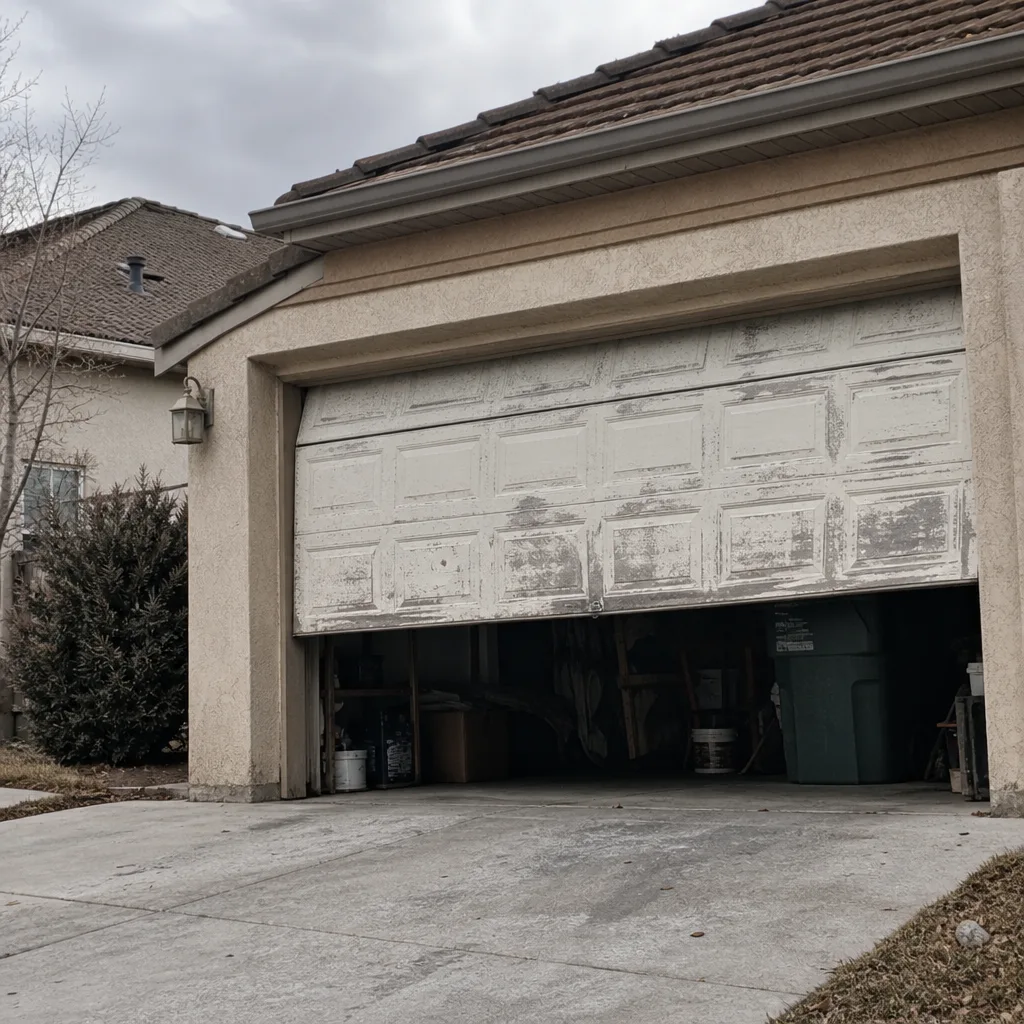 Before
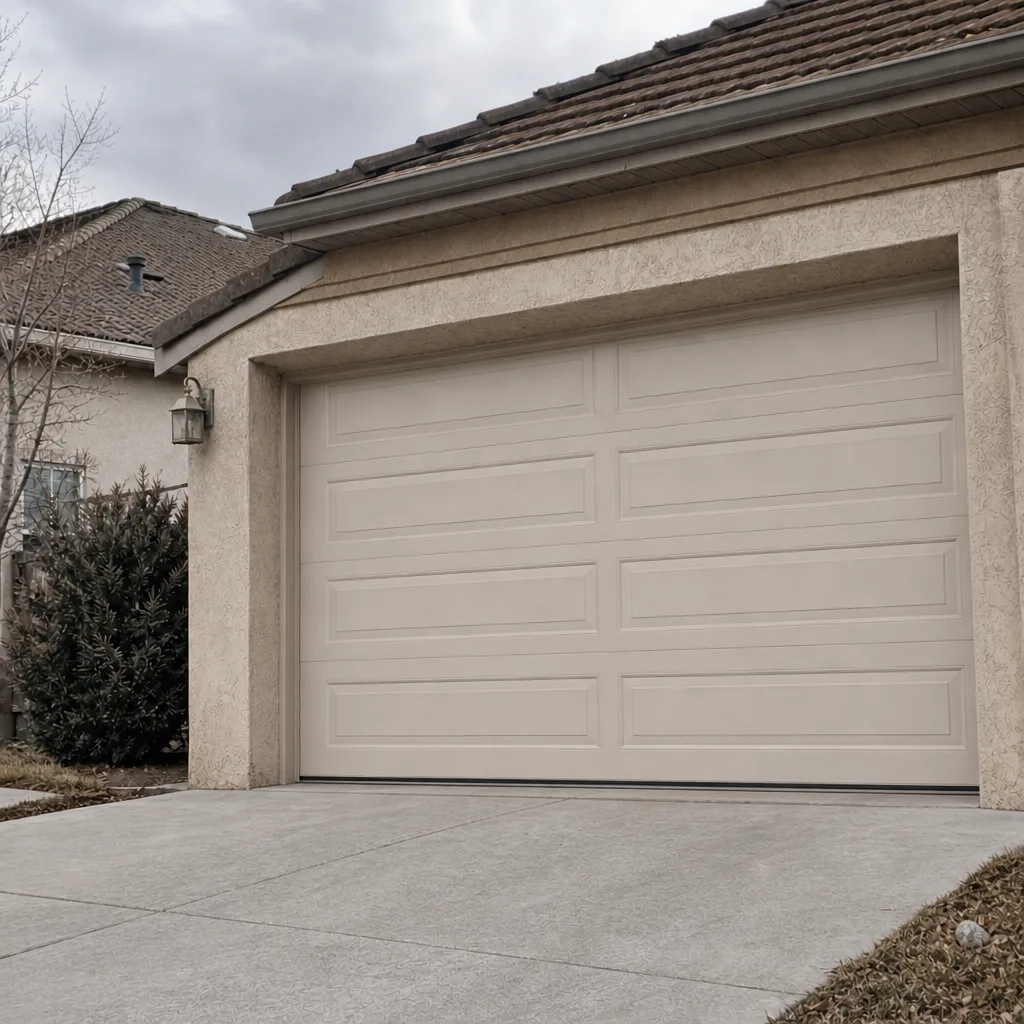 After
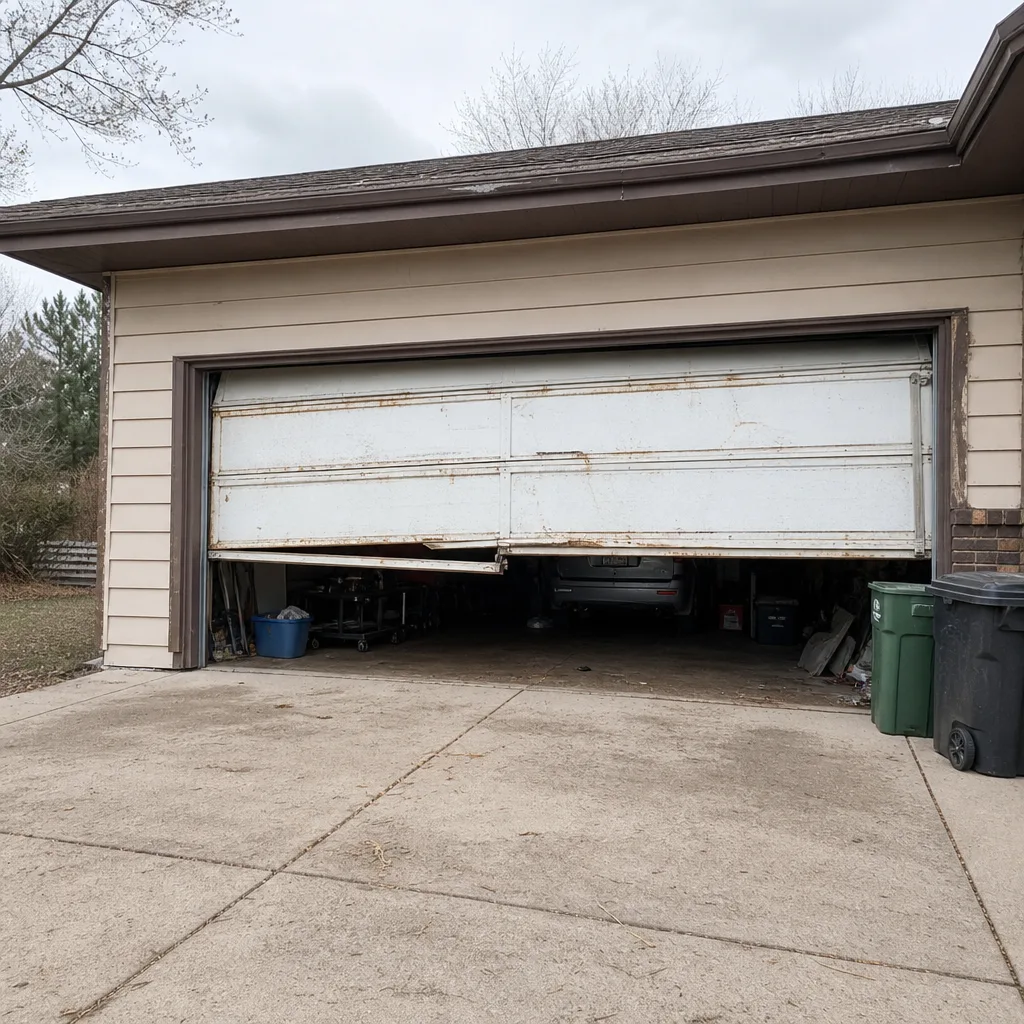 Before
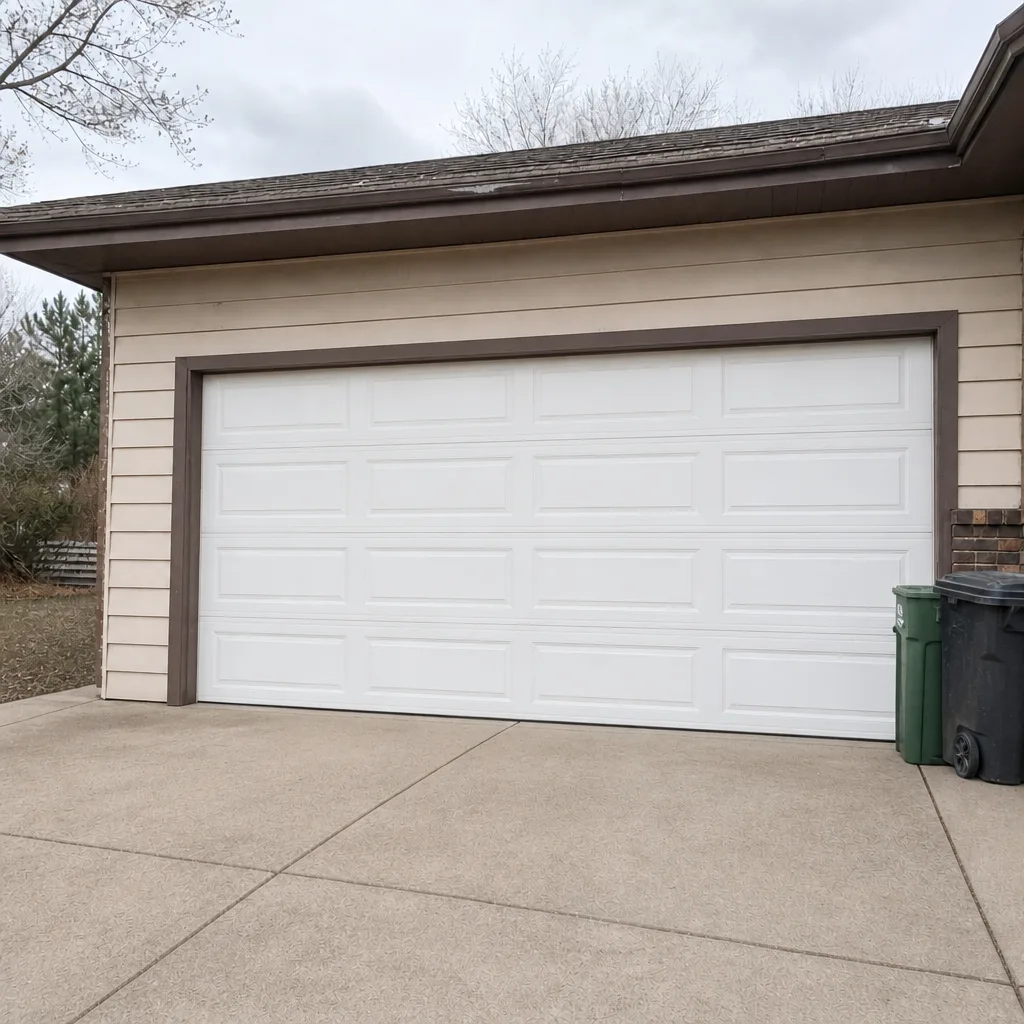 After
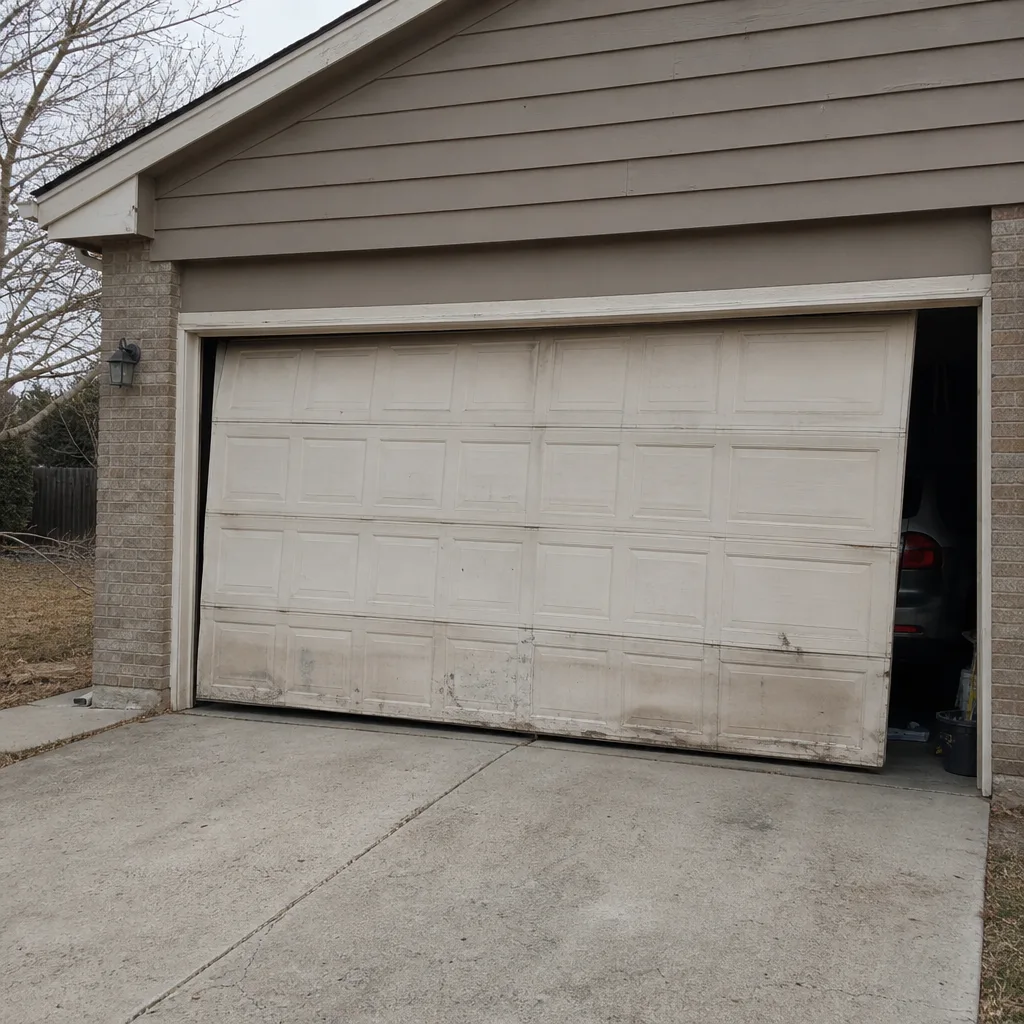 Before
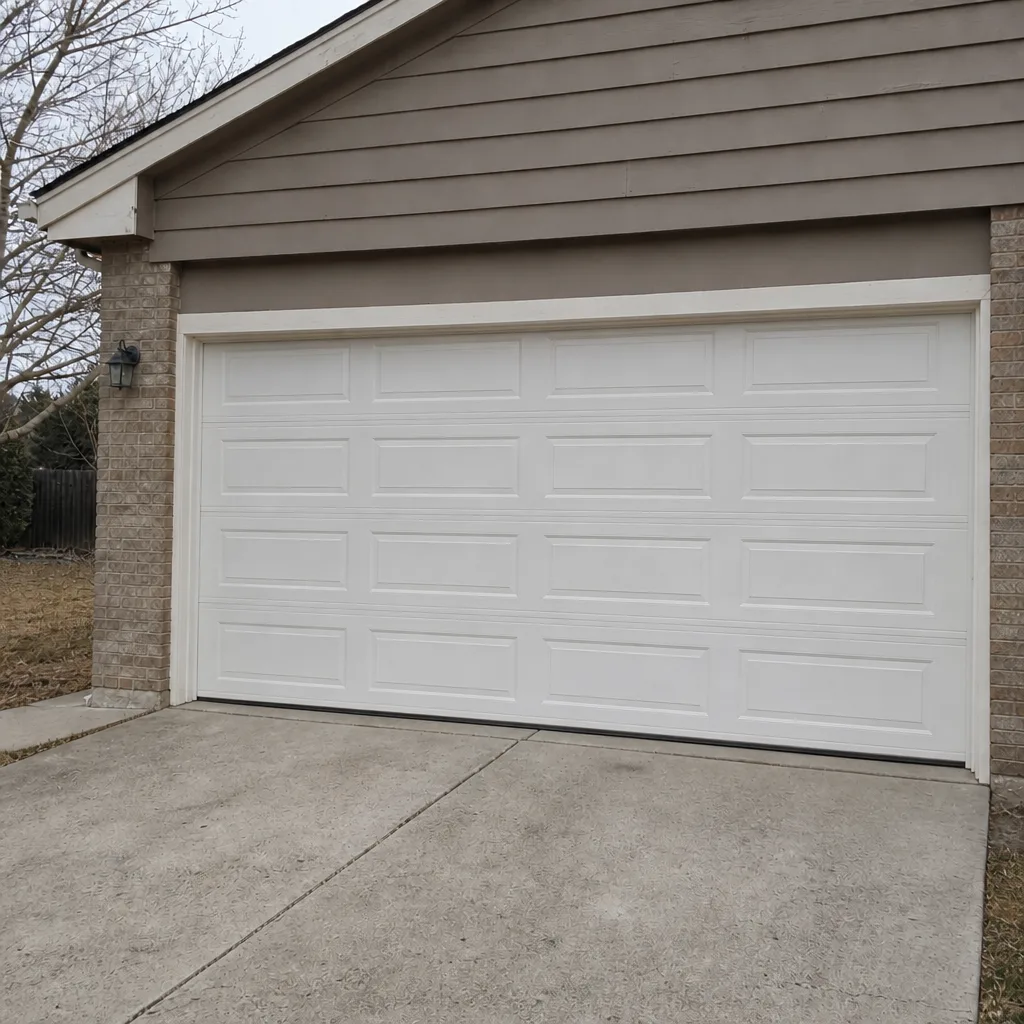 After
When to Call a Professional
Some seasonal maintenance is straightforward: lubricant, visual inspection, an opener sensitivity check from the manual. The line is a clear one. Call a professional if the door fails a balance test, if the springs feel or sound different, if the door grinds or jerks, if any panel is cracked or creased after hail, if the opener reverses for no apparent reason, or if the bottom seal has torn away from the door in more than a spot or two. Springs and cables are the highest-risk components on any garage door and are never a homeowner task. If your door is fine but the opener is acting up, our techs can diagnose most units in a single visit. If you’re not sure whether it’s a door problem or an opener problem, that’s a call worth making early.
Garage Door Repair Saddle Rock offers free estimates in Saddle Rock. Call (855) 976-4952. We answer 24/7. Fast dispatch from 7am to 7pm, Sunday through Friday.
Frequently Asked Questions
Twice a year is the right baseline for Saddle Rock: once in fall before the first freeze and once in spring after the last freeze. Between those visits, do a monthly visual check and a quarterly balance test. The spring and fall services catch seasonal damage before it accumulates, and they’re the two points where freeze-thaw cycles do the most work. If your door sees heavy daily use, an annual professional tune-up in addition to the two seasonal checks is worth considering. Call (855) 976-4952 for a free estimate on seasonal service.
Seasonal maintenance pricing depends on the door type, the number of parts needing replacement, and whether the opener needs adjustment. The written estimate sets the final price, and we diagnose before we quote so you know what the fix involves. Replacing weatherstripping, lubricating hardware, and adjusting opener sensitivity is a modest job; a balance correction or panel replacement adds more. The estimate is free, and the price is quoted before any work starts. Call (855) 976-4952 for an exact quote.
Yes, for most common repairs. Our fast dispatch from 7am to 7pm, Sunday through Friday, means most seasonal repair calls we receive before that window are handled the same day. If a part needs to be sourced and we don’t have it on hand, we’ll tell you the timeline upfront. The estimate is free and the price is set before any work begins.
The opener’s force-limit setting is doing its job. Cold thickens lubricants, hardens seals, and increases the resistance the door presents to the opener. When that resistance exceeds the safety limit, the opener reverses. The right fix is to reduce the resistance first – lubricate hardware, check the door’s balance, replace hardened seals – then adjust the opener setting only if the door still cycles normally by hand. Don’t increase opener force to push through the bind. Call (855) 976-4952 if you’re not sure which it is.
Walk the door at an angle so daylight rakes across the surface. Look for dents, cracked paint at the edges of dents, panel misalignment, and any splintering on wood doors. Steel presents dents most clearly. Wood shows finish cracks and splintered edges. Fiberglass and composite show hairline cracks and chips. Dents that breach the paint need repainting promptly to prevent corrosion; dents that misalign a panel need a technician’s assessment. Call (855) 976-4952 to schedule a storm-damage inspection.
No. The price is quoted and agreed before any work starts. If we find additional issues during the repair, we stop and discuss them with you before proceeding. The written estimate is the final price for the scope we agreed to. Call (855) 976-4952 for a free estimate.
The Bottom Line
Garage door care in Saddle Rock runs on a schedule most homeowners don’t expect. The damaging months are March and October, when freeze-thaw cycling stresses every seal and fastener on the door. Fall prep is about sealing gaps before the ground freezes. Winter is about opener sensitivity and not forcing the door past a bind. Spring is hail assessment – check every panel for dents and cracks, especially on steel and wood. Summer is UV protection on wood and composite through refinishing and re-caulking. And the task that holds everything together is the twice-yearly balance check. Do those and you’ll enter each seasonal transition ahead of the door’s wear instead of behind it.
Written by the team at Garage Door Repair Saddle Rock.