
Last updated November 21, 2026
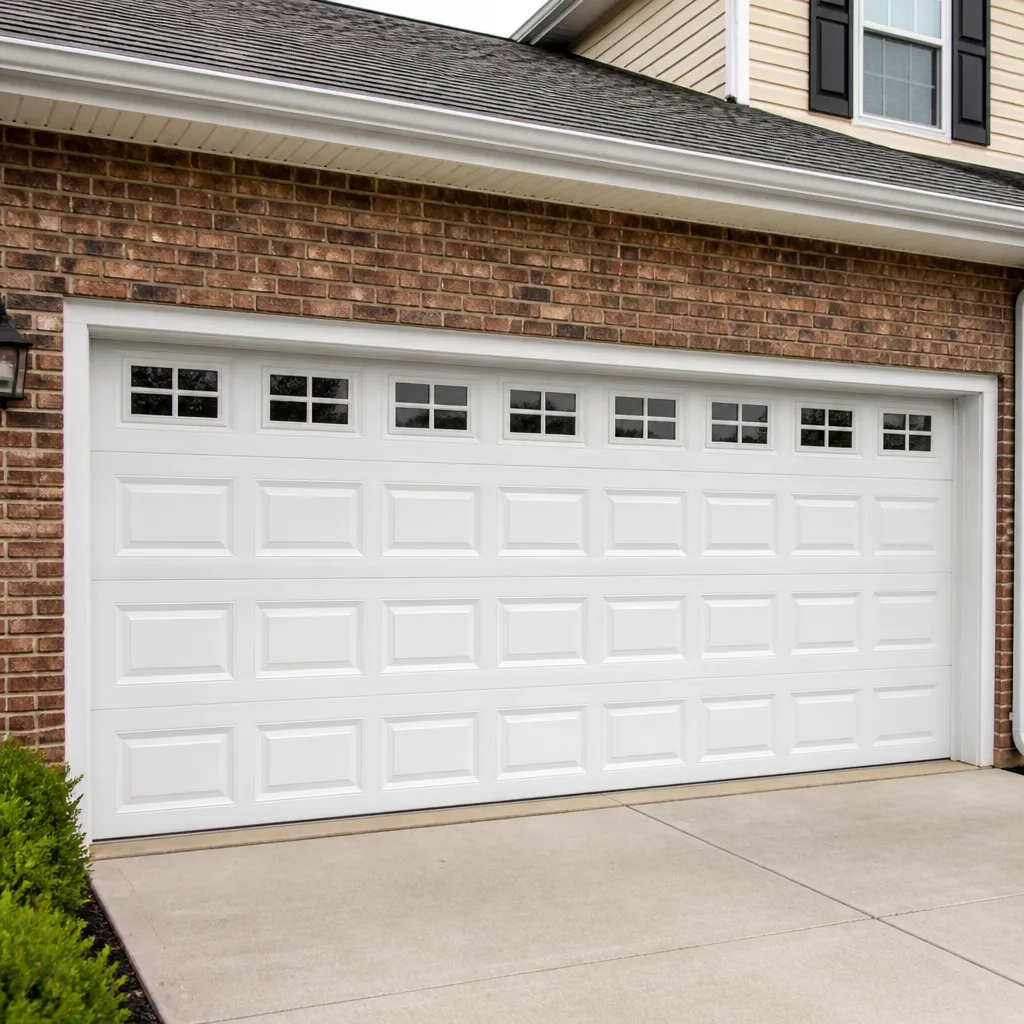 Raised-panel steel
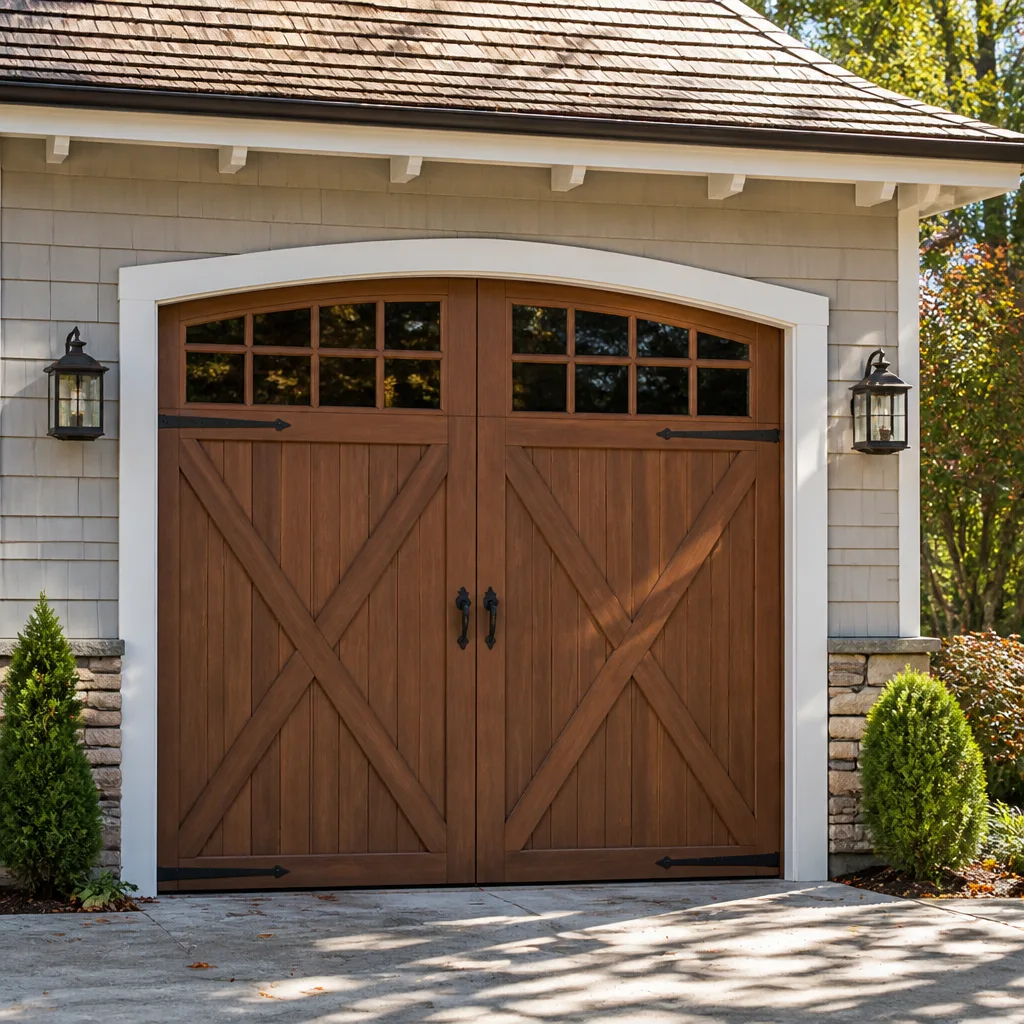 Carriage house
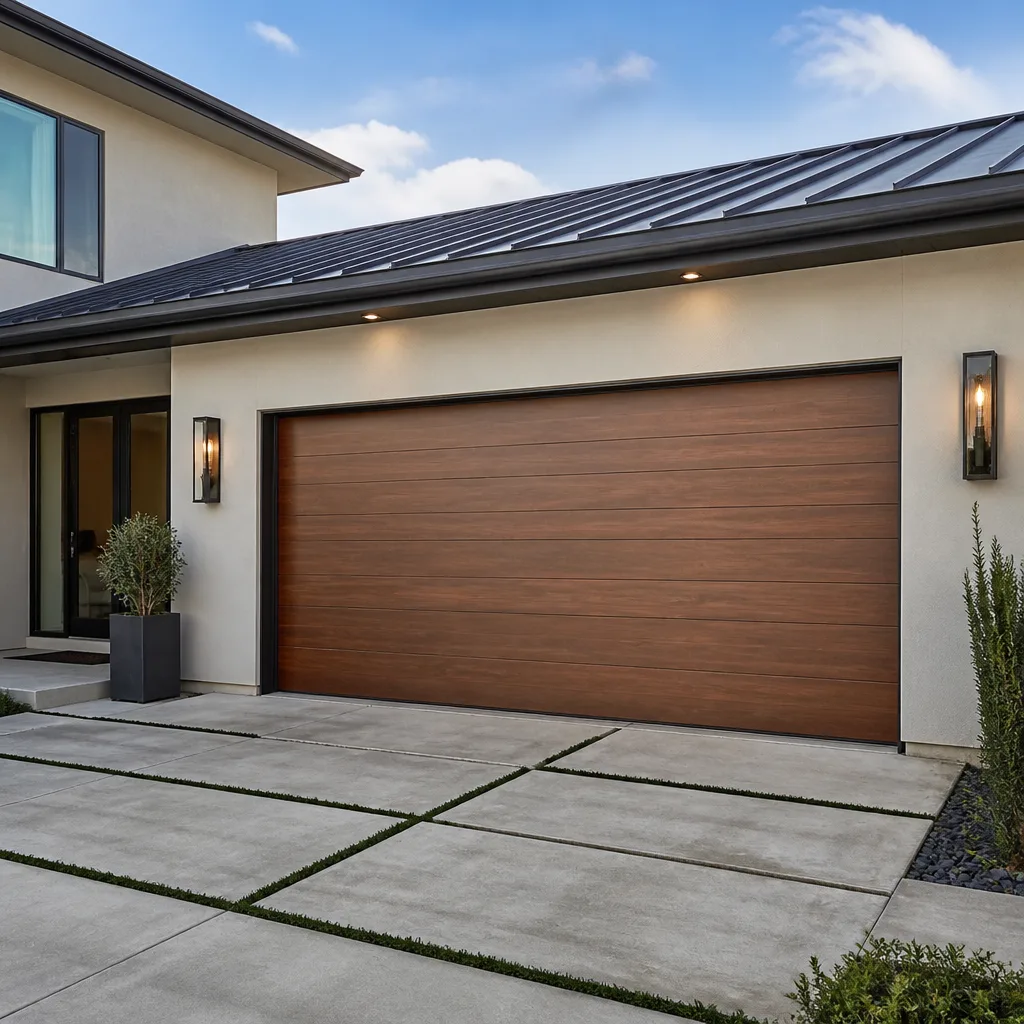 Modern flush
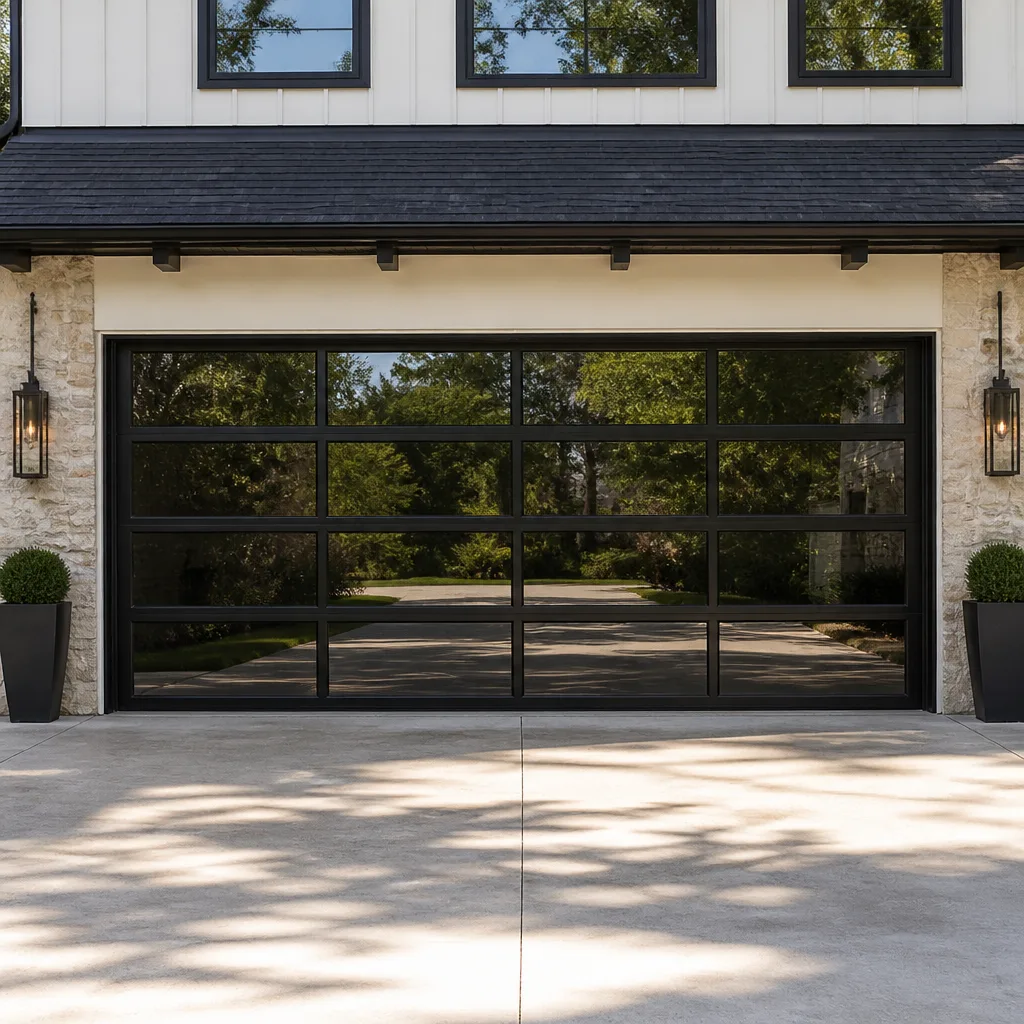 Full-view glass
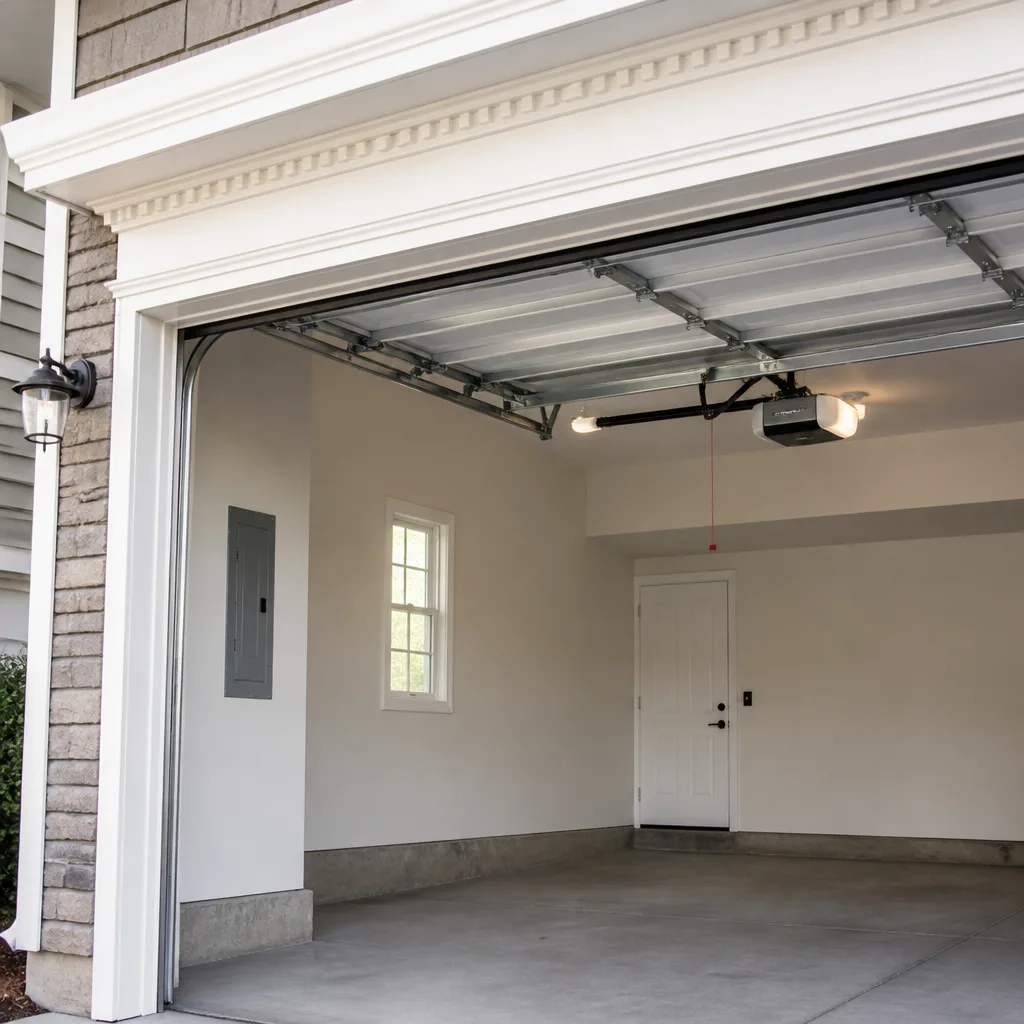 LiftMaster openers
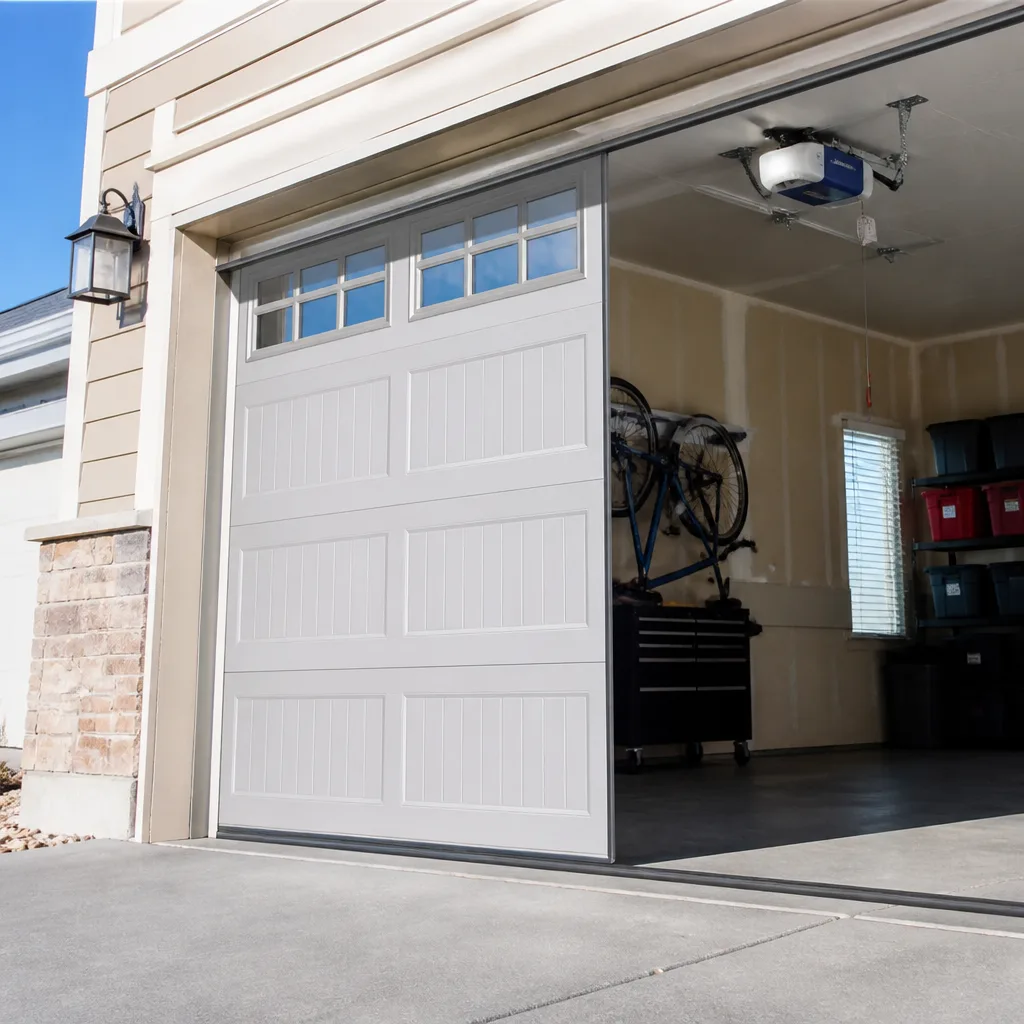 Chamberlain openers
Full 25-point door and opener safety check with every visit - springs, cables, rollers, tracks, and your LiftMaster or Chamberlain opener included
You get a price before we start. It does not change when the pro arrives.
Get your free estimateDIY vs Professional Garage Door: The Saddle Rock Homeowner’s Decision Guide
Here’s the thing most garage door advice gets wrong: it treats the whole system as one big “don’t touch it” zone. That’s not honest, and it costs Saddle Rock homeowners real money on jobs they could easily handle themselves. The truth is your garage door is two very different machines bolted together. One is a set of simple tracks, rollers, hinges and seals that a careful homeowner can maintain with basic tools. The other is a high-tension mechanical and electrical system that can genuinely hurt you. This guide draws a clear line between the two, task by task, so you know which jobs save you money and which ones stop at the spring.
Quick Answer
Most routine garage door maintenance is safe for a careful Saddle Rock homeowner: lubrication, sensor alignment, remote programming and weatherstripping are all reasonable DIY jobs. Springs, cables, bottom brackets and any electrical work inside the opener or panel are professional-only, because a torsion spring stores enough energy to cause serious injury. If a repair involves a tool you’d have to buy for more than about $80, the math usually favors calling a technician.
Styles & brands we work with
- Raised-panel steel
- Carriage house
- Modern flush
- Full-view glass
- LiftMaster openers
- Chamberlain openers
Table of Contents
- Why a garage door is two machines in one
- The owner-serviceable jobs in Saddle Rock
- The jobs that stop at the spring
- The tool math: when DIY stops paying
- How DIY repairs affect your warranty
- Colorado liability and the spring repair question
- The break-even calculation that settles most debates
- Common mistakes to avoid
Why a Garage Door Is Two Machines in One
Walk into any garage in Saddle Rock and look up. The door system you see splits cleanly into two halves, and they carry completely different risk. The mechanical half is the tracks, rollers, hinges, brackets and weather seal. These move slowly, carry little stored energy, and respond to hand tools. The energy half is the torsion spring (or springs) on the header, the lift cables, the bottom bracket and the opener motor. This half is under constant tension and can release stored energy faster than you can react.
That first point is worth sitting with. A torsion spring on a standard residential door stores roughly 100 foot-pounds of torque – the same energy as a sledgehammer swung at full force. It doesn’t care that you’re a careful person with good intentions. When it fails, it releases that energy in an instant.
Once you see the door that way, the decision stops being “call a pro or don’t.” It becomes a routing question. Which tasks belong to the safe half, and which belong to the half where you tap out and call someone? We work on garage doors across Saddle Rock and the surrounding south-metro neighborhoods, and that routing question is what this whole guide answers.
- Safe half: tracks, rollers, hinges, seals, sensors, remote controls, general lubrication.
- Energy half: torsion springs, extension springs, lift cables, bottom brackets, opener electrical work.
The Owner-Serviceable Jobs in Saddle Rock
These tasks are ones a reasonably handy homeowner can do with basic tools. None of them require you to touch a tensioned component, so the injury risk is low. In Saddle Rock’s dry, dusty Front Range climate, a few of these take on extra importance, because our doors get exposed to blown grit and wide seasonal temperature swings that other climates don’t deliver.
- Lubrication. Wipe the vertical tracks clean and lubricate springs, hinges, rollers and bearing plates with a garage-door-specific spray (not WD-40, which attracts dust). In a dusty Saddle Rock summer this stays cleaner than a wetter product.
- Sensor alignment. If the door reverses or won’t close, the safety sensors near the floor are misaligned or dirty. Wipe the lenses, then adjust each sensor until its indicator light is solid. A taut string line between the two units shows you when they’re aimed at each other.
- Remote programming. Most LiftMaster, Chamberlain, Genie and Craftsman remotes pair through a learn button on the opener. Following the opener’s manual exactly usually solves it in a minute.
- Weatherstripping. The bottom seal and the perimeter seals are push-in or nail-on. Replacing a worn bottom seal keeps out the cold, dust and the occasional visiting critter.
- Visual inspection. A monthly walk-around: check for frayed cables, a spring with a visible gap, loose bolts or bent tracks. This one is pure prevention and applies to every door regardless of brand.
If you buy a tube of lubricant, a new bottom seal, and a set of rollers, you’re still well inside the cost of a single service call. That’s the category where DIY is genuinely worth it. The line is crossed the moment a job asks you to release tension or disconnect a moving load.
The Jobs That Stop at the Spring
These are the jobs that belong to a trained professional, every single time. The reasoning isn’t caution for its own sake – it’s physics. Each of these parts is under stored tension while the door is down, and releasing that tension is where injuries happen.
Torsion and Extension Springs
Springs lift the entire weight of the door. When one fails, it’s loud, sudden and dangerous. A homeowner with the wrong winding bars can lose grip on a torsion spring and be seriously hurt. Our team treats spring repair as a core service rather than a referral, precisely because it’s a task that demands the right tools and the right training. When it comes to spring repair, the honest answer is simple: this is a job a trained technician should handle, not a homeowner with borrowed tools.
Cables
Lift cables run from the bottom bracket up to the drum above. They’re under tension every time the door is up, and a snapped cable can whip. Never try to thread a new cable onto a drum yourself. This falls firmly on the professional side.
Bottom Bracket
The bottom bracket anchors the lift cable and the bottom of the door. Removing it releases the cable tension, which makes it one of the most dangerous parts of the system to touch. Leave it alone.
Opener Electrical Work
Swapping a wall switch or a sensor is fine. Digging inside the opener housing to replace a logic board or a capacitor, or working on the circuit that feeds the opener, is not. Electrical work inside the unit and at the panel belongs to a qualified technician. If your opener is acting strange, the right move is a diagnostic call, not a screwdriver.
If you’re not sure which half a job sits on, stop. A door that’s misbehaving is often a cable or spring symptom, and those aren’t jobs to experiment with. For anything that touches the energy half, a professional look is the safer and cheaper decision.
The Tool Math: When DIY Stops Paying
Here’s a practical rule we hand to Saddle Rock homeowners all the time: if a legitimate DIY job requires more than about $80 in tools you don’t already own, the math usually flips toward calling a technician. A single specialty tool can cost more than the repair, and you still have to do the job correctly on the first try.
Run the numbers before you buy. A basic homeowner set usually covers these tasks:
- A socket and wrench set for hinge and bracket bolts.
- A sturdy stepladder.
- A tube of garage-door lubricant.
- A long-handle screwdriver for sensor and bracket adjustment.
- A spare remote or battery.
A torsion spring, on the other hand, needs winding bars, proper clamps and a specific safety process most homeowners will never use again. Buying winding bars to save a technician’s visit is a false economy, and it doesn’t make the job safe. For the owner-serviceable jobs, a modest tool kit is all you need. For the energy half, the right tool list is a reason to call, not a shopping list.
How DIY Repairs Affect Your Warranty
Manufacturer warranties on your garage door and opener vary by brand and by what you touch. The pattern is fairly consistent: owner maintenance that follows the manual is usually fine, while repairs done by an unqualified person often void the affected component’s coverage.
A few things to understand:
- Routine maintenance generally stays covered. Lubrication, cleaning and common-sense upkeep won’t typically void a manufacturer warranty if you follow the owner’s manual.
- Opener internals are the fragile area. Open a LiftMaster or Chamberlain housing to tinker, and you may void the opener warranty on that unit. These are the two dominant smart-home brands on residential openers, and their service documentation is precise.
- Full door hardware has its own warranty. Spring, cable and bracket repairs performed by an untrained hand can void coverage on those parts, especially on doors from Clopay, Amarr and Wayne Dalton, which each publish their own hardware terms.
The exact terms live in the paperwork that came with your door or opener. Read it before you pick up a tool on anything that isn’t clearly maintenance. If it’s ambiguous, a quick call to a technician pays for itself just in warranty clarity alone.
Colorado Liability and the Spring Repair Question
Homeowner insurance is built to cover accidents you didn’t cause and damage you didn’t bring on yourself through amateur structural work. That’s the piece people overlook. If a DIY spring repair goes wrong and someone in your household or a visitor gets hurt, your insurance may not cover the liability, because the injury was caused by an unqualified repair you performed yourself.
That’s a serious consideration in a state like Colorado, where a spring failure can fling hardware with force. The bottom line: the person who gets hurt by a DIY spring job is often the homeowner, a family member in the driveway, or a neighbor dropping by. It isn’t a car or a window. The cost of that risk isn’t worth the few hundred you’d save.
Something else to consider: a failed spring doesn’t just stay put. A door with a broken spring can come down unexpectedly if it’s moved, and a door can drop under its own weight. The safest thing to do with a failed spring is leave the door down until a technician sees it. If you’re not sure whether it’s a spring, call before you raise the door. We answer 24/7, with fast dispatch from 7am to 7pm, Sunday through Friday.
The Break-Even Calculation That Settles Most Debates
The real question isn’t “DIY or pro.” It’s “what does this job actually cost each way, including the ways it can go wrong?” A DIY attempt that fails and damages a track, twists a door panel, or leaves you with a bent opener results in a bigger bill than the original professional repair would have been. Run the calculation honestly.
- Estimate the DIY cost. Tools (if you don’t own them), the part, a second part if the first choice is wrong, and your time.
- Estimate the professional cost. A written estimate, the diagnosed part, and the labor. Call (855) 976-4952 for a free estimate on the Saddle Rock job before you decide.
- Add the risk line. For energy-half jobs, add the injury risk and the insurance question. For safe-half jobs, this line is near zero.
- Compare. If the DIY cost is close to or above the professional estimate on a safe-half job, DIY often still wins on convenience. On an energy-half job, it doesn’t win at all.
On a simple lubrication or seal job, DIY wins most of the time and we’ll tell you so. On anything involving a spring, cable or bracket, the calculation only goes one way.
Common Mistakes to Avoid
- Trying to save a spring repair yourself. It’s the single most common dangerous mistake. The right move is to call for a spring repair and stay out of the way of the door.
- Using WD-40 on the tracks and springs. It attracts dust and gummed grit, which matters on a dry Saddle Rock summer day. Use a purpose-made garage door lubricant.
- Ignoring the warranty paperwork. Tinkering with a LiftMaster or Chamberlain opener’s internals is an easy way to void that unit’s coverage without knowing it.
- Buying the wrong part from a general hardware store. A hinge or roller off the shelf may not match the load rating of your door. Match the part to the door.
- Assuming a creak means a breakdown. Often it just needs lubrication and a torque check. Diagnosis comes before the quote, and a creaky door doesn’t always need a repair.
- Forcing a stuck door. A door that won’t open may have a broken spring or cable. Pushing it open risks a sudden drop. Leave it and call.
- Not accounting for local temperature swings. Colorado’s wide seasonal shifts are hard on seals and springs. A seal that seems fine in July can let cold air in all winter.
See the difference
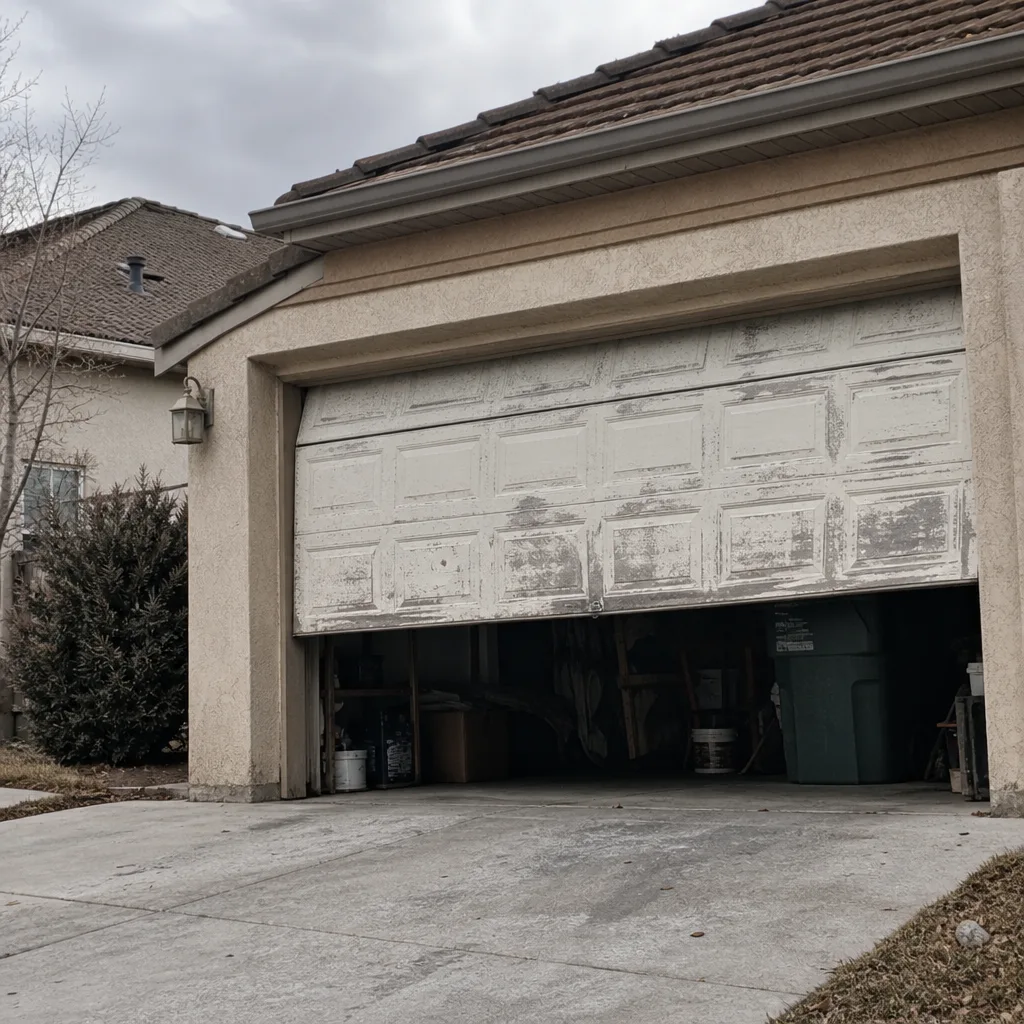 Before
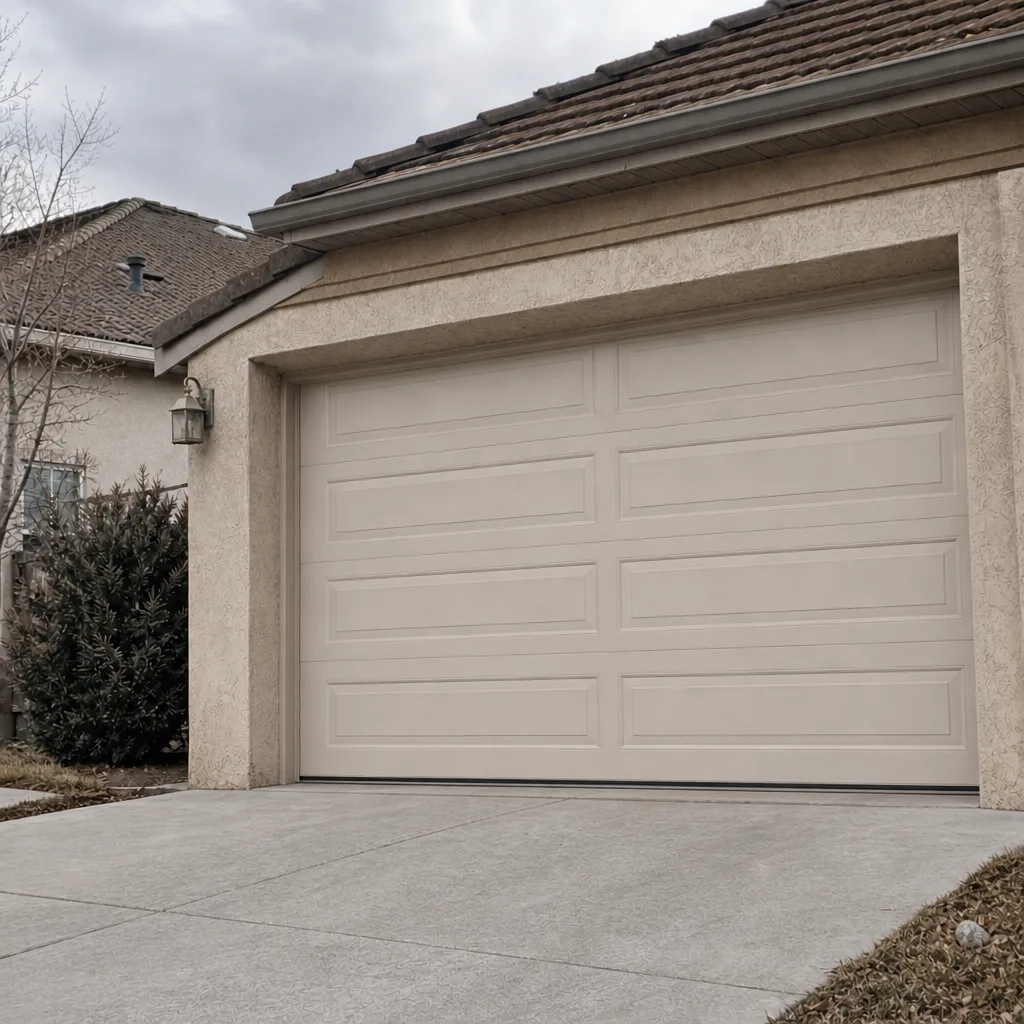 After
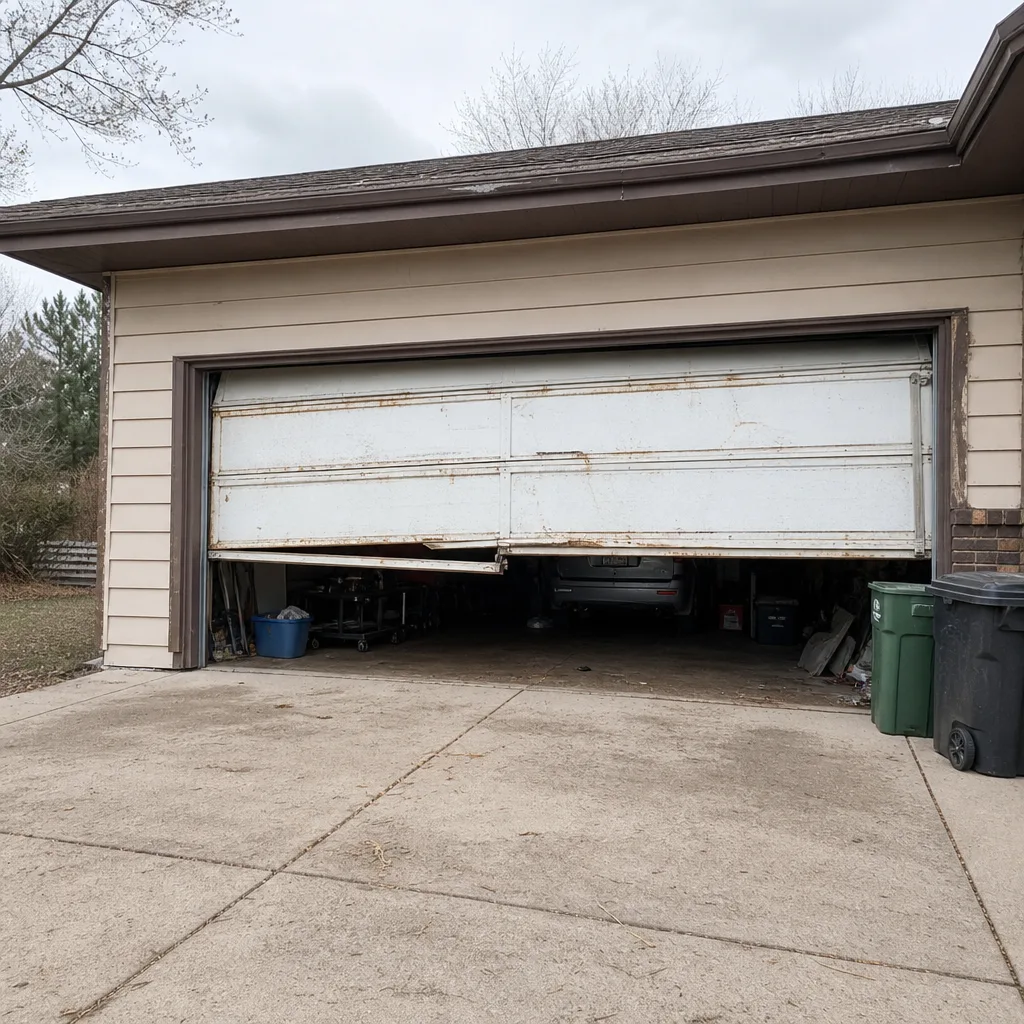 Before
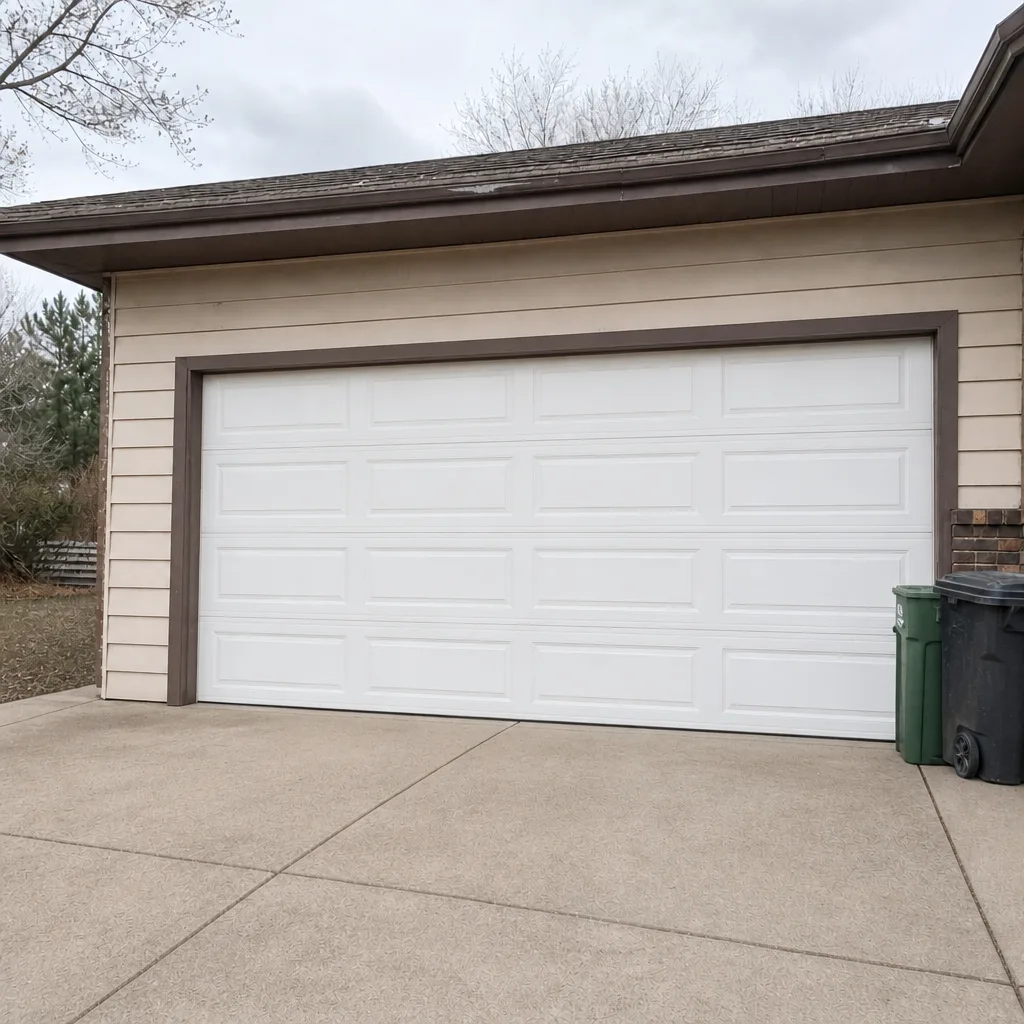 After
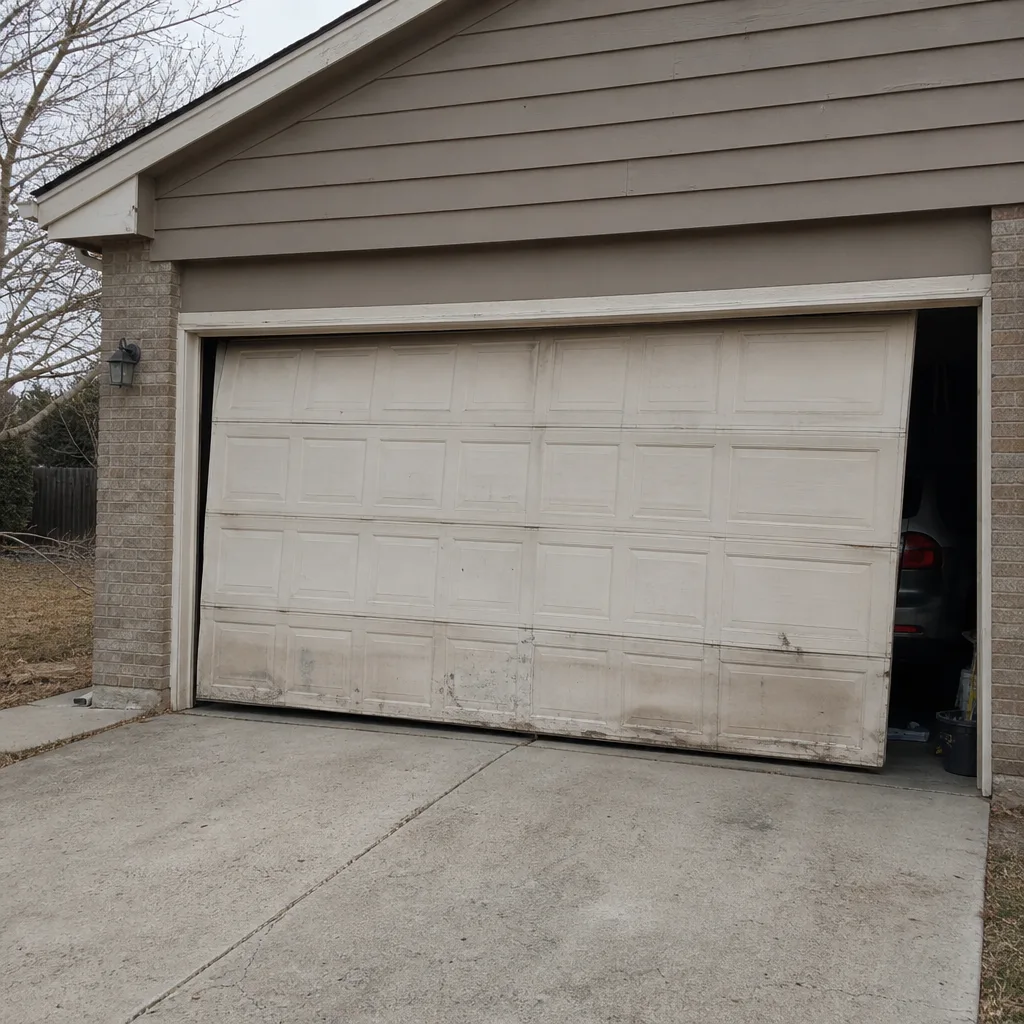 Before
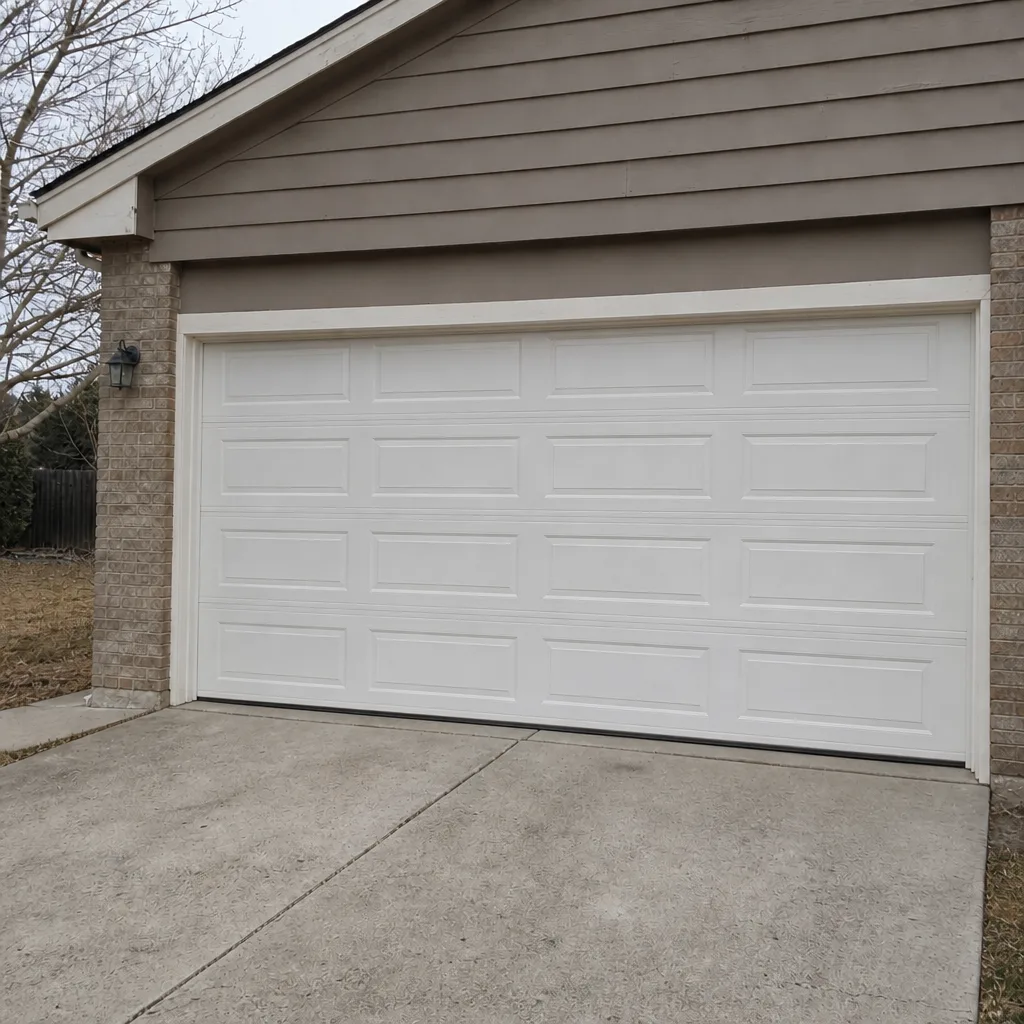 After
When to Call a Professional
Call a professional the moment a job touches a spring, cable, bottom bracket, or the inner electricals of an opener. Also call if the door is visibly off its track, if a cable is frayed or hanging, or if the door reverses on its own and basic sensor adjustment doesn’t fix it. These are symptoms of an energy-half problem, and they’re not tasks for a weekend experiment.
If you’re in Saddle Rock and want an honest read on whether your job is truly DIY-safe or belongs with a technician, we can tell you straight. Garage Door Repair Saddle Rock offers free estimates in Saddle Rock – call (855) 976-4952. We answer 24/7, with fast dispatch from 7am to 7pm, Sunday through Friday, and you’ll get a written price before any work starts. Our technicians have up to 15 years of experience, and we service the brands already in your garage, from Wayne Dalton and Raynor to LiftMaster and Chamberlain. For specific repair services, you can also explore garage door repair and garage door opener repair.
Frequently Asked Questions
Yes – lubricating the tracks, rollers, hinges and bearing plates is a safe DIY task. You’re not releasing any tension, so use a garage-door-specific lubricant and leave the springs, cables and brackets alone. If a job asks you to touch a tensioned part, that’s where DIY ends.
No. A torsion spring stores roughly 100 foot-pounds of torque and can cause serious injury if it slips during a DIY repair. Spring repair should always be done by a trained technician. Call (855) 976-4952 for an exact quote – estimates are free.
It depends on the component. Routine maintenance that follows the owner’s manual typically doesn’t void a manufacturer warranty. Repairs done by an unqualified person, especially inside an opener or on door hardware, often void coverage on that part. Check the paperwork for your specific brand.
The price is set per job by a written estimate after the technician diagnoses the door, so it’s best to get a free quote rather than guess. Call (855) 976-4952 for an exact quote – estimates are free, and the written price is what you pay.
Sometimes. If the safety sensors are dirty or misaligned, cleaning and adjusting them is safe to try yourself. If the door still won’t close, or a cable or spring looks damaged, stop and call a professional. A failed component can cause problems you can’t see from the outside.
No. The written estimate sets the price, and the technician diagnoses the door before any price is quoted, so you’ll know the cost before the work starts. Call (855) 976-4952 for a free estimate in Saddle Rock.
The Bottom Line
Most garage door advice tells you never to touch the door. That’s not true, and it’s not fair to capable homeowners. A clear line runs between the safe half and the energy half. Lubrication, sensor alignment, remote programming and weatherstripping are yours to handle and can save you real money. Springs, cables, bottom brackets and opener electrical work are professional-only, every time. The tool, warranty and liability math all point the same way: DIY pays on the safe half, and calling a technician is the only sensible move on the energy half. Know which half you’re standing in front of, and you’ll know what to do.
Contact
For an honest read on your garage door in Saddle Rock, call (855) 976-4952 for a free estimate. We answer 24/7, with fast dispatch from 7am to 7pm, Sunday through Friday. From spring repair to garage door installation, we cover the full job and tell you straight whether your project is DIY-safe or belongs with a technician. If you’re just starting out with the basics, our main page is a good place to begin: Garage Door Repair Saddle Rock.
Written by the team at Garage Door Repair Saddle Rock.