
Last updated November 21, 2026
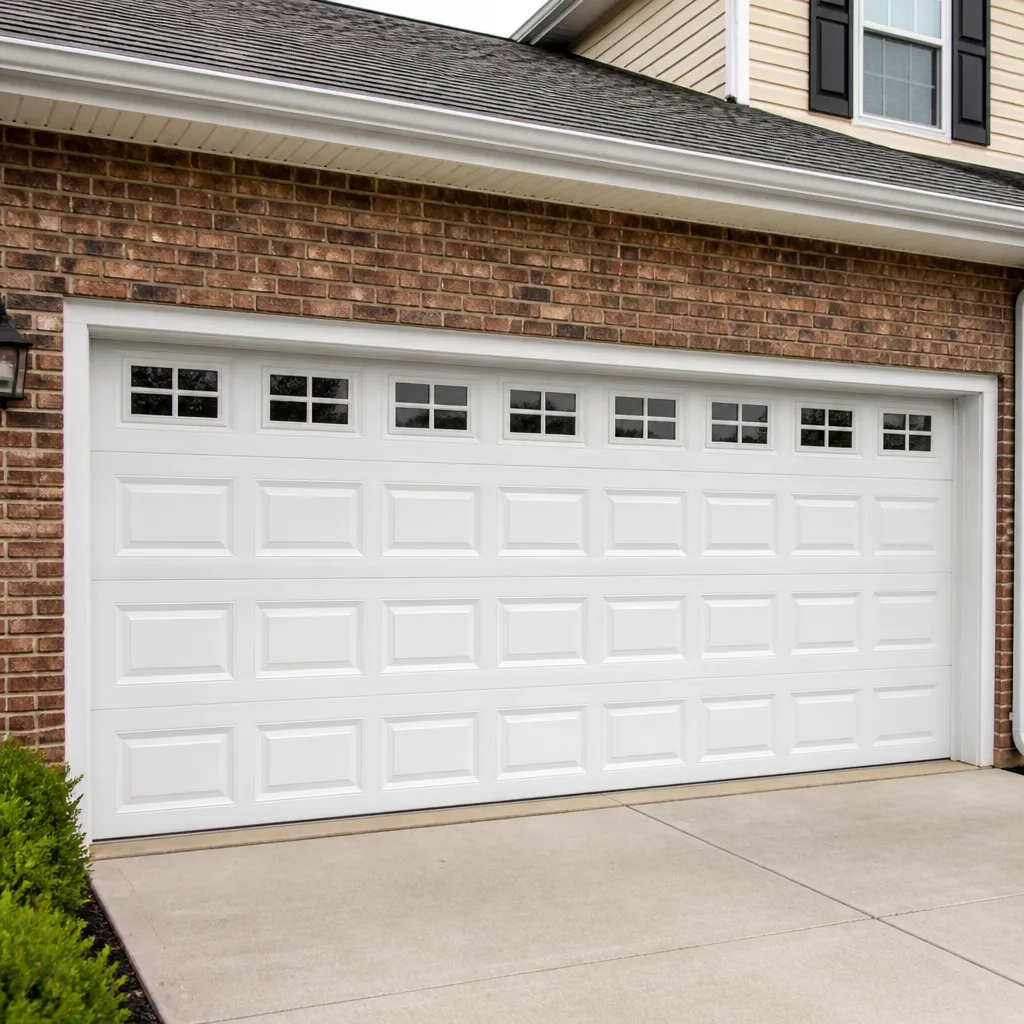 Raised-panel steel
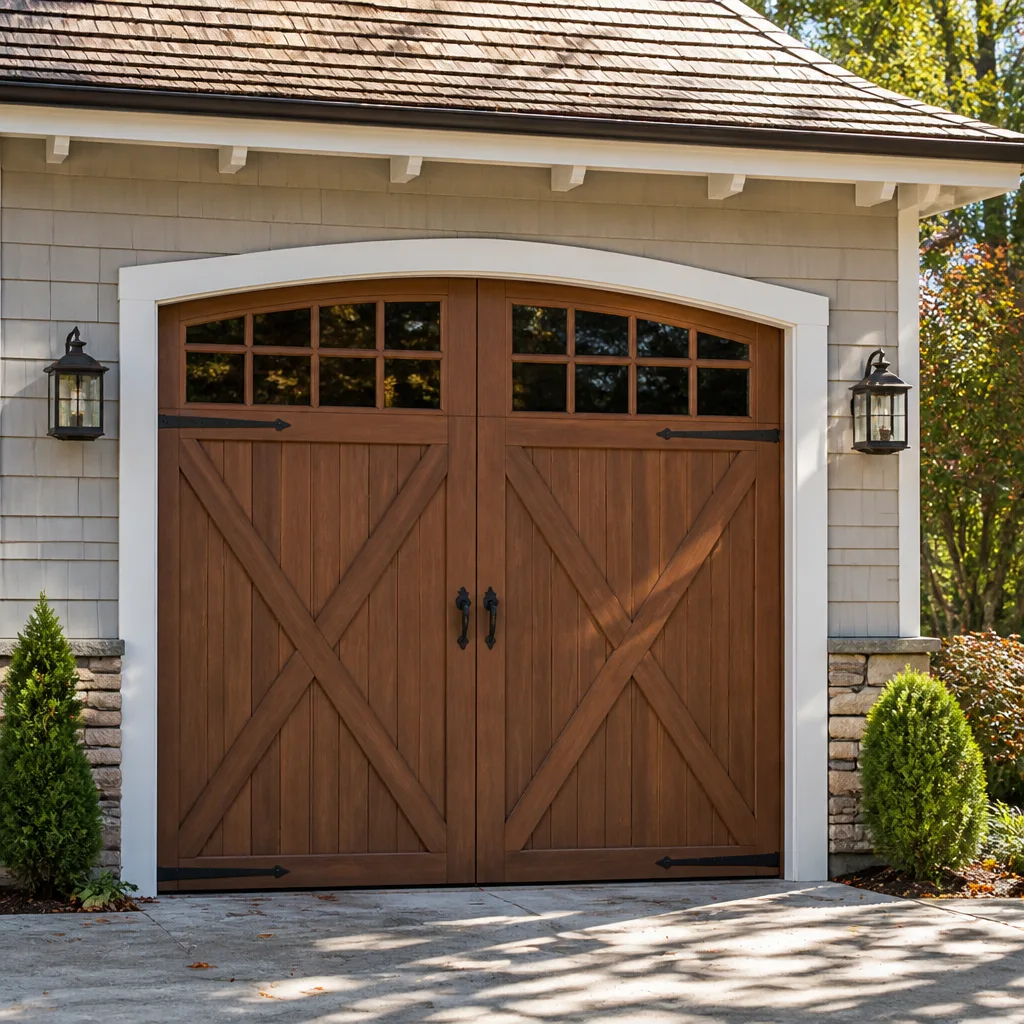 Carriage house
 Modern flush
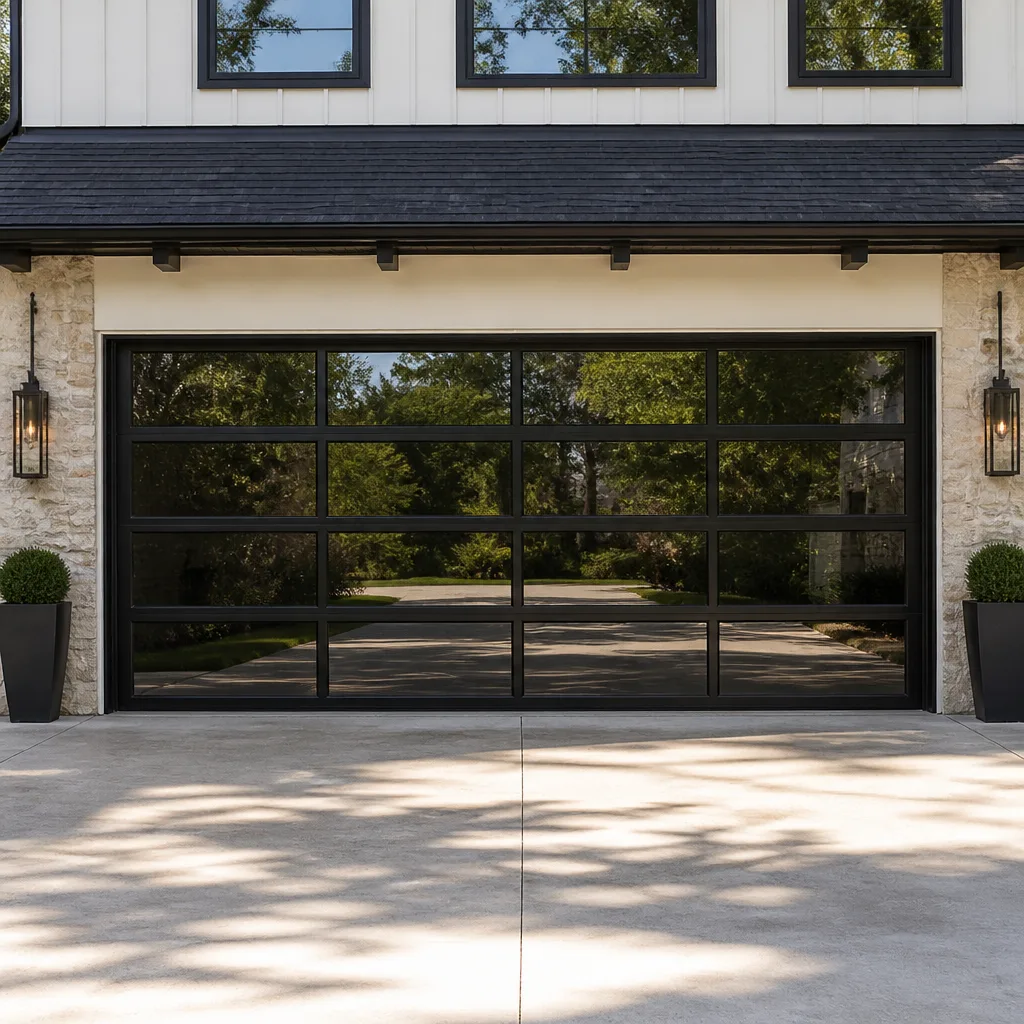 Full-view glass
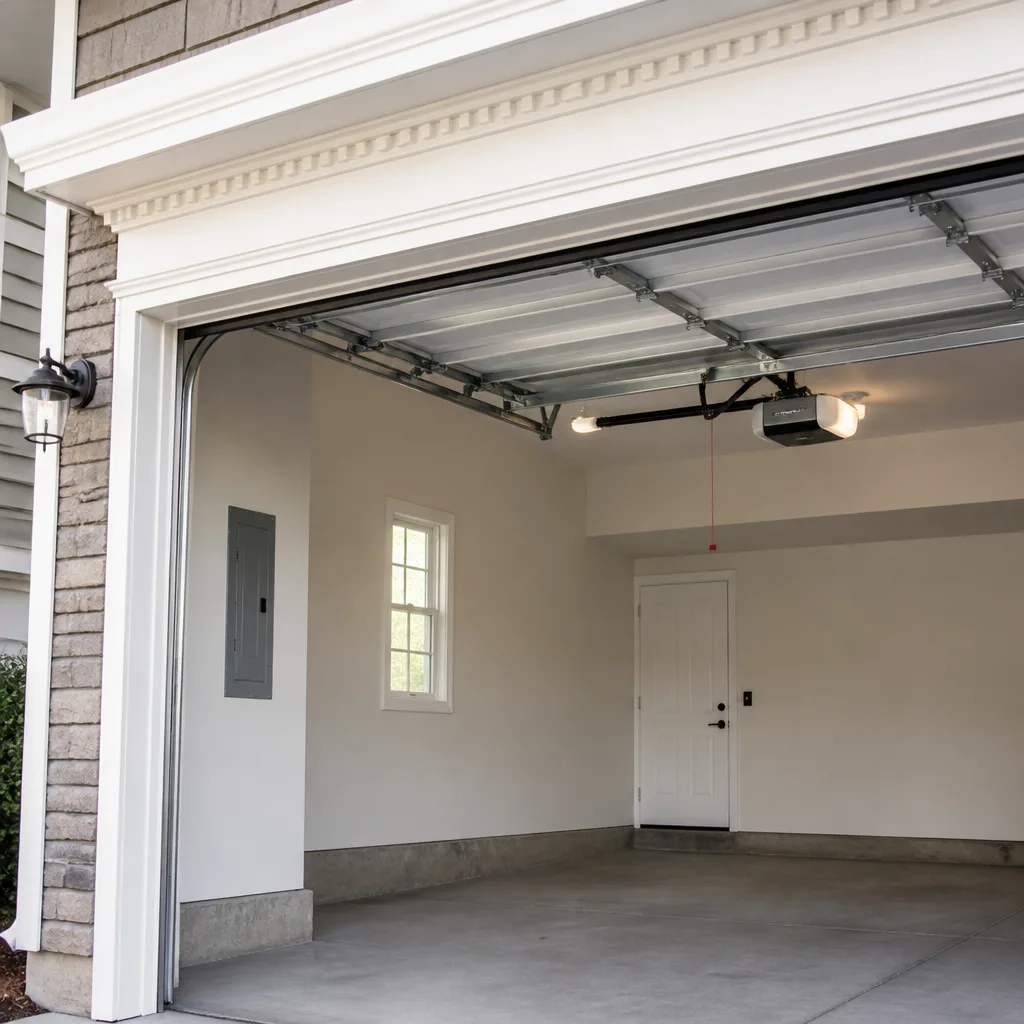 LiftMaster openers
 Chamberlain openers
Full 25-point door and opener safety check with every visit - springs, cables, rollers, tracks, and your LiftMaster or Chamberlain opener included
You get a price before we start. It does not change when the pro arrives.
Get your free estimateGarage Door Permits, Codes & Inspections in Saddle Rock, CO: What You Need to Know
Replacing a garage door feels like a straightforward purchase: pick the door, pay the installer, done. But in Douglas County, a door swap can cross a legal line that most homeowners never think about until a buyer’s inspector walks up the driveway years later. The gap between a like-for-like repair and a permitted replacement isn’t paperwork for its own sake. It’s the difference between an improvement your title paperwork supports and one that shows up as an unresolved flag during a sale, an insurance review, or an HOA audit. In this guide we’ll walk through when a garage door project in Saddle Rock actually needs a permit, what the inspection checks beyond the panel, how fire-rated requirements apply when your garage shares a wall with living space, and how to fix unpermitted work before you list.
Quick Answer
A garage door replacement in Saddle Rock, CO generally requires a Douglas County building permit when you’re changing the door’s size, structure, header, or opener electrical circuit, while a like-for-like repair or a swap of the same size door into an existing opening usually does not. The inspection checks far more than the door panel: it looks at the structural header, spring anchoring, opener wiring, and fire separation where the garage attaches to the house. HOA approval in Saddle Rock runs in addition to county permitting, not instead of it, so both tracks need to clear before work begins.
Styles & brands we work with
- Raised-panel steel
- Carriage house
- Modern flush
- Full-view glass
- LiftMaster openers
- Chamberlain openers
Table of Contents
- Is a garage door repair the same as a replacement under Douglas County code?
- When does a garage door project in Saddle Rock need a permit?
- What does a garage door inspection actually cover?
- Fire-rated garage doors and the Colorado attached-garage rule
- How to pull a garage door permit in Saddle Rock, step by step
- How Saddle Rock HOA approval runs alongside county permitting
- How to retroactively permit a door installed without one
- Common mistakes to avoid
Is a garage door repair the same as a replacement under Douglas County code?
No. Under Douglas County’s residential permitting framework, a repair and a replacement are treated as two different events, and the distinction drives whether a permit is required. A repair restores an existing door to working order using components that match what’s already there. A replacement removes the door (or the opening around it) and installs a new unit, and that’s where structural, electrical, and life-safety review usually kicks in.
Here’s how we explain the split to homeowners in Saddle Rock. If the door itself is staying and we’re fixing a spring, an opener, a roller, or a hinge, the work is almost always classified as a repair and no permit is triggered. If the door panel assembly comes out and a new one goes in, the answer depends on what else is changing. Same size door into the same opening, same track layout, same opener? That typically falls on the repair side of the line. Bigger opening, new header, new track geometry, new opener circuit, or a door that wasn’t there before? That’s a replacement and should be permitted.
The reason this matters more in Saddle Rock than in some other Front Range communities is the housing stock. A lot of the homes here were built with two- and three-car garages on shared walls with living space, often with the original door still in place. When a door gets swapped at the same size, the change is invisible to code review because nothing structural moves. When a homeowner upgrades to a wider door, adds a new opener circuit, or converts a single to a double, the change is visible on the structure and on the electrical, and the county will want a set of eyes on it.
We’ve seen the confusion cut both ways. Some homeowners assume any door work needs a permit and over-complicate a simple spring repair. Others assume no door work ever needs one and discover during a sale that a conversion was never signed off. If you’re not sure which side of the line your project sits on, that’s the right moment to call the county building department and describe exactly what’s changing. They’ll tell you in a short conversation.
One thing worth saying plainly: the permit is not a commentary on the quality of the installer. A properly hung door in an unpermitted conversion is still an unpermitted conversion. The county cares about whether the structure and life-safety systems were reviewed, not whether the work looks clean.
When does a garage door project in Saddle Rock need a permit?
A garage door project needs a Douglas County permit when it involves a change to the size of the opening, the structural header above it, the track and anchoring system, or the electrical circuit feeding the opener. A straight swap of the same size, same type door into an existing opening generally does not. That’s the short version. The longer version depends on which specific element is changing, and it’s worth walking through the common scenarios.
Scenarios that usually need a permit
- Changing the door width or height. A wider door means header modification and possibly re-framing the opening, both of which are structural.
- New structural header or re-framing. Any time the load-bearing piece above the garage opening changes, the county wants to see it.
- New opener circuit or panel work. A dedicated 20-amp circuit for a new opener, or any new wiring run from the main panel, needs review by the electrical side of the inspection.
- Adding a door where none existed. A garage wall being opened for the first time is a structural and life-safety review.
- Changing the door type. Sectional to roll-up, roll-up to carriage, or anything that changes the track and spring geometry is a replacement, not a repair.
- Conversion from manual to automatic. Adding an opener to a manual door triggers an electrical review and usually a permit.
Scenarios that usually don’t need a permit
- Replacing a broken torsion or extension spring with the same specification.
- Replacing a single-section panel because of a dent, as long as the track and header aren’t touched.
- Replacing rollers, hinges, cables, or bearings on the existing door.
- Swapping an opener for a comparable unit on the existing circuit. If the circuit itself changes, that’s different.
- Replacing the weather seal, bottom rubber, or side trim.
When we come out to quote a project in Saddle Rock, we look at what’s changing before we talk price. A door that looks like a replacement on the phone can turn out to be a repair once we see the opening, and vice versa. That’s why we repair garage doors and install new ones as separate conversations rather than one flat menu.
If your project falls on the fence, call the Douglas County building department with the change you’re making and the answer will usually come back the same day. Bring the dimensions, the door type you’re moving to, and whether the opener circuit is changing. That’s enough for them to tell you whether you’re pulling a permit or not.
What does a garage door inspection actually cover?
A garage door inspection is not just a look at the door panel. The door is the visible part, but the inspection is a review of the entire opening system: how it’s anchored, how it’s supported, how it’s wired, and how it separates the garage from the house. Here’s the breakdown of what the inspector looks at, done in order.
- Structural header and framing. The inspector looks at the header beam above the opening, its size and bearing, and whether it’s properly attached to the surrounding framing. Any re-framing done for a wider door gets checked here.
- Spring anchoring. Torsion springs are anchored to a center plate and to end plates bolted into the jambs. The inspection checks that the anchoring hardware is properly fastened into solid framing, not into drywall or a hollow spot. This is the single most important structural item on a spring-and-door system.
- Track and jamb attachment. The vertical and horizontal track sections need to be fastened at every designated point. Track that’s only anchored at the top and left floating at the bottom is a common fix request.
- Opener electrical. If an opener circuit was added or replaced, the inspector looks at the panel, the conduit or Romex run, the junction box, and the disconnect. This is usually a separate electrical sub-inspection.
- Safety reversal and photo-eye function. Automatic openers must reverse when they contact an object and must have working photo-eyes. The inspector will run this test during the walkthrough.
- Fire separation. Where the garage attaches to living space, the inspector reviews the wall and ceiling assembly, the door on the connecting passage, and whether penetrations are sealed to maintain the fire separation.
- Door operation and labeling. The finished door needs to open and close smoothly, latch, and carry any labeling required by the manufacturer or the adopted code.
In our experience on Saddle Rock jobs, the two items that most often come up as correction items are spring anchoring and opener wiring. Both are things a good installer handles the first time, and both are reasons we insist on seeing an opening before we quote a replacement. We work on a lot of LiftMaster and Chamberlain opener systems in this area, and the wiring conventions for those are familiar ground for the technicians. The same goes for Clopay and Amarr doors, which are common in this part of Douglas County and have their own anchoring requirements.
One safety note worth putting in writing: the springs and cables on a garage door are under extreme tension, and they can release with enough force to cause serious injury or death. The inspection verifies anchoring, but it doesn’t make a worn spring safe to touch. If anything about your door’s springs looks off, call a trained technician rather than trying to inspect or adjust them yourself.
Fire-rated garage doors and the Colorado attached-garage rule
If your garage is attached to your living space, the wall between them is treated as a fire separation assembly under Colorado’s adopted residential code, and everything in that assembly – the wall, the ceiling above the garage, the door on the passage between garage and house, and any penetrations through them – is part of the life-safety system. That includes the overhead door’s relationship to the wall it mounts on.
In Saddle Rock, this comes up most often in two situations. The first is a door replacement where the existing door is the original builder-grade unit and the homeowner is upgrading. The new door must maintain the same fire separation the original assembly was built to provide. Installing a door that’s thinner, has a different rating, or leaves gaps around the perimeter can compromise the assembly, and the inspector will flag it.
The second is a garage conversion or remodel where an attached garage is being reshaped. If a wall between the garage and the house is opened, moved, or penetrated for wiring or plumbing, the whole fire separation needs to be brought back into compliance. This is where a lot of homeowners get surprised: they think they’re just installing a door, and the inspector is asking about the ceiling above their garage.
The practical rule of thumb: the overhead door itself must be rated for the opening it serves when the code path requires it, and the wall, passage door, and ceiling above the garage must be continuous and sealed. An attached garage in Saddle Rock is not a separate building for fire purposes – it’s part of the same structure, and the code treats it that way. Any time you’re changing the overhead door on an attached garage, ask the question out loud: does the new door maintain the same separation the old one did? If the answer isn’t a clear yes, it’s worth a conversation with the county before the door goes up.
We come across this on both garage door installation projects and on repairs that end up touching the wall. If a door upgrade is somewhere on your list, we’d rather have the fire-rating conversation before the door is ordered than after.
How to pull a garage door permit in Saddle Rock, step by step
Pulling a garage door permit in Douglas County is a manageable process if you approach it in order. The steps below are the ones we walk homeowners through on every Saddle Rock replacement that needs one. The county’s building department is the authority for anything specific to your project, and they’re the right call when a step doesn’t line up with your situation.
- Confirm whether a permit is required. Call the Douglas County building department, describe the change (door size, header, opener electrical, fire separation status), and ask them to confirm. Get the answer in writing if you can.
- Assemble the submittal package. Typically this includes the door manufacturer’s spec sheet with the model and rating, a site plan or drawing of the opening, framing details if anything structural is changing, and the contractor’s information.
- Verify contractor licensing. Douglas County requires the installing contractor to hold the appropriate license for the work. Ask for the license and the insurance certificate before the permit is filed.
- Submit the application. Most of this happens online through the county’s permit portal. The county will tell you whether it’s an over-the-counter review or a full plan review.
- Pay the permit fee. Fees vary by scope and valuation. The county will quote the fee at submission, and that’s the figure to budget.
- Schedule the inspection. Rough-in inspection happens before the door is closed in (springs anchored, track hung, wiring run). Final inspection happens after the door is installed and the opener is operational.
- Get the inspection signed off. The signed-off inspection is the document you want in your file for the future sale or insurance review. Keep a copy.
We can answer questions about the installation side of the process and we work with homeowners on the technical submittal items – the spec sheets, the door ratings, the anchoring details. We don’t decide whether your project needs a permit, because that’s the county’s call. But we’d rather be part of a permit conversation early than have one come up after the door is installed.
One timing thing to know: the door itself may need to be ordered, and door lead times can run longer than the permit review. Starting the permit process early is almost always the right move, so the review and the door delivery land in roughly the same window.
How Saddle Rock HOA approval runs alongside county permitting
Saddle Rock has homeowner associations that govern exterior changes, and a garage door qualifies as an exterior change. That means a door replacement usually needs HOA approval in addition to the county permit. The two are not substitutes for each other. Clearing the HOA doesn’t clear the county, and clearing the county doesn’t clear the HOA.
The HOA process is usually the simpler of the two on the county side of the paperwork, but it has its own timeline and its own rules. Here’s how it typically runs.
- Ask for the architectural guideline. Most Saddle Rock associations have a written spec for door style, color, panel configuration, and sometimes material. Get it in writing before you shop.
- Submit an architectural request. This is usually a form plus the door spec sheet, a photo of the current door, and a rendering or photo of the proposed door.
- Wait for board review. Approval timelines vary by association. Some boards meet monthly, some handle requests in writing. Ask what the expected turnaround is.
- Get approval in writing. A verbal “looks fine” from a board member is not approval. The written approval is what protects you if the board changes composition.
- Keep the approval with your records. It’s the same file as the county permit and the inspection sign-off.
The practical order that works best: HOA first, county second, door order third. The HOA can reject a door style that the county would happily permit, so getting HOA cleared first avoids the frustrating situation of a permitted opening for a door the neighborhood won’t approve. We work with a lot of Clopay and Wayne Dalton doors that meet common Saddle Rock HOA specs, and we’ll tell you upfront if the door you’re looking at has a style issue the association is likely to flag.
How to retroactively permit a door installed without one
If a garage door was replaced or a garage opening was added without a permit – either by a previous owner or on a project you inherited – it can be retroactively permitted. Douglas County handles this through the same building department that handles new permits, and the process is usually a permit application for the existing work plus an inspection of what’s there. It’s not always painless, but it’s doable, and it’s much better done before a sale than discovered during one.
Here’s the process, roughly in order.
- Identify what was done and when. The county will ask. A copy of the original contract, if you have it, helps. If not, describe the scope in plain terms on the application.
- Call the building department and describe the situation. Tell them you have unpermitted garage door work and you want to bring it into compliance. Ask what documentation they need.
- Open a permit for the existing work. This is sometimes called a “permit for existing construction” or an “after-the-fact” permit. The county will use whatever term it uses; the function is the same.
- Schedule an inspection. The inspector comes out and evaluates what was actually installed. If it meets code as built, the permit can be closed. If it doesn’t, the inspector gives you a correction list.
- Complete the corrections. Common corrections on an unpermitted door include spring anchoring that wasn’t into framing, missing opener disconnect, missing photo-eyes, or fire separation gaps. These are all fixable.
- Get the final sign-off. Once the corrections are done and the re-inspection passes, the county closes the permit and the work is on record as legal.
If the corrections turn out to be substantial, the smart move is to have a garage door contractor look at the assembly before the inspection, not after. The county will tell you what’s wrong; a contractor can tell you what it takes to fix it and what it costs. That’s a different question, and it’s the one homeowners actually need answered.
On the timing question: get the retroactive permit done before you list, not during the inspection period. Unpermitted work is a much easier conversation when it’s already resolved. If you’re looking at spring or opener corrections as part of the process, that falls under garage door opener repair and our spring work, and we quote those as separate items so you know exactly what the fix costs before the inspector returns.
Common Mistakes to Avoid
- Assuming a like-for-like door swap doesn’t need a permit. It usually doesn’t, but “like-for-like” is a narrow window. If anything about the opening, track, or opener changes, the classification usually flips. Call the county with the specifics before you order.
- Doing the HOA approval after the door is installed. Saddle Rock associations can reject a style that’s already on your house, and removing an installed door to switch styles is expensive. Get the HOA sign-off first.
- Skipping the fire separation review on attached garages. A door that looks fine but doesn’t maintain the fire-rated assembly on the wall it mounts to is a correction item waiting to happen. Ask about the rating before the door is ordered.
- Hiring the cheapest install and skipping the permit. Unpermitted work is a known problem at sale time and during insurance reviews. The permit fee is usually a small fraction of the door cost and worth every dollar for the file.
- Filing the permit under the wrong scope. A permit filed as a repair when the work is actually a replacement will not save you an inspection; it just delays the correction. Be honest on the application and the inspector will be straightforward with you.
- Replacing springs on a permitted replacement without checking the anchoring. Spring anchoring is the most common correction item on door projects. Any time the track or jamb changes, the spring hardware has to match the new geometry.
- Waiting until the buyer’s inspection flags the issue. Retroactive permits are easier before closing than during it. If you know there’s unpermitted work, address it first.
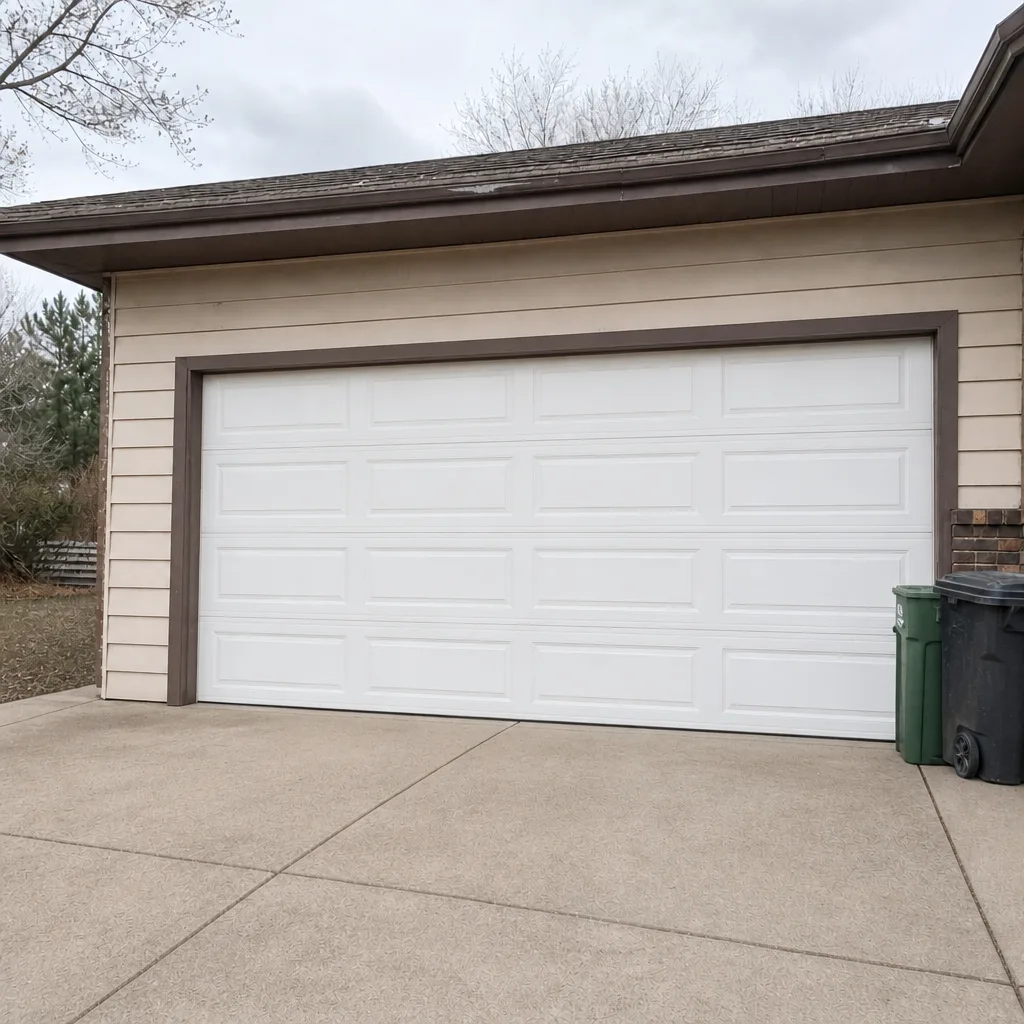
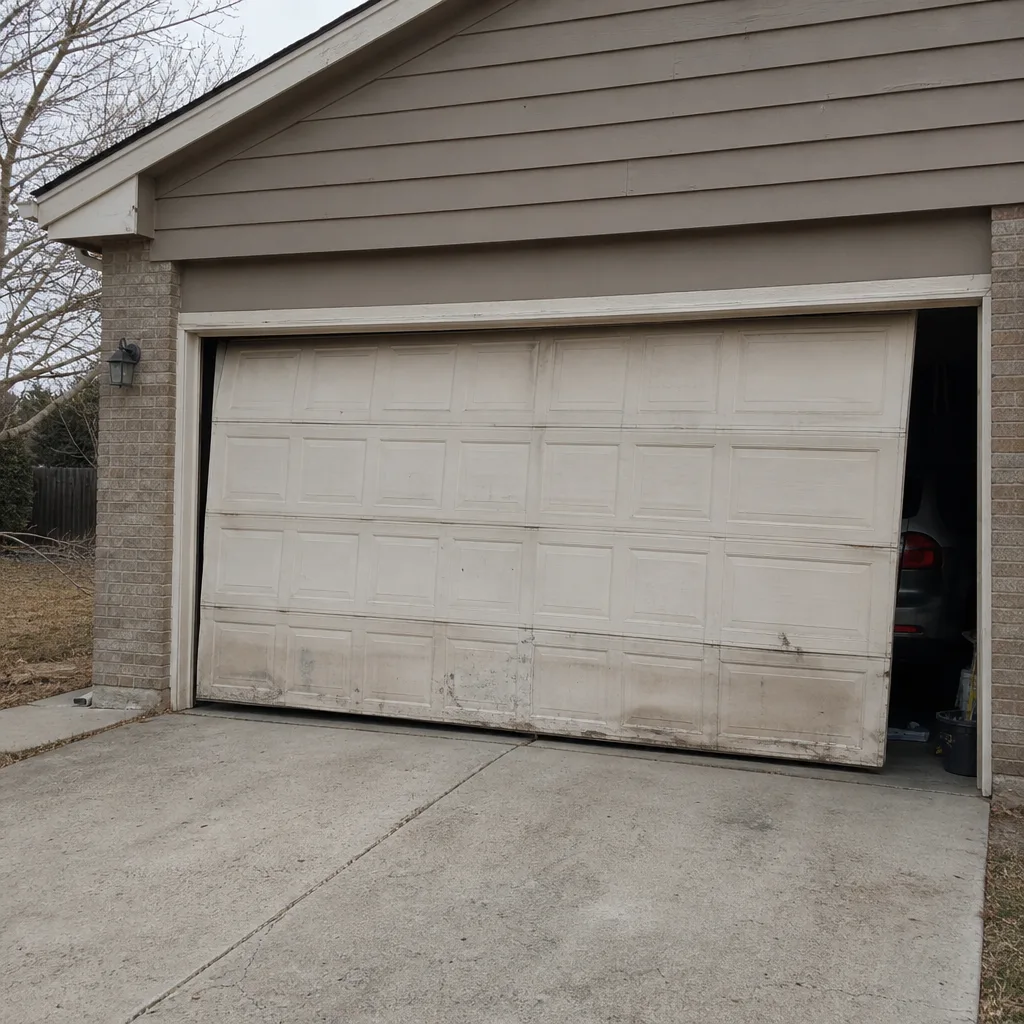
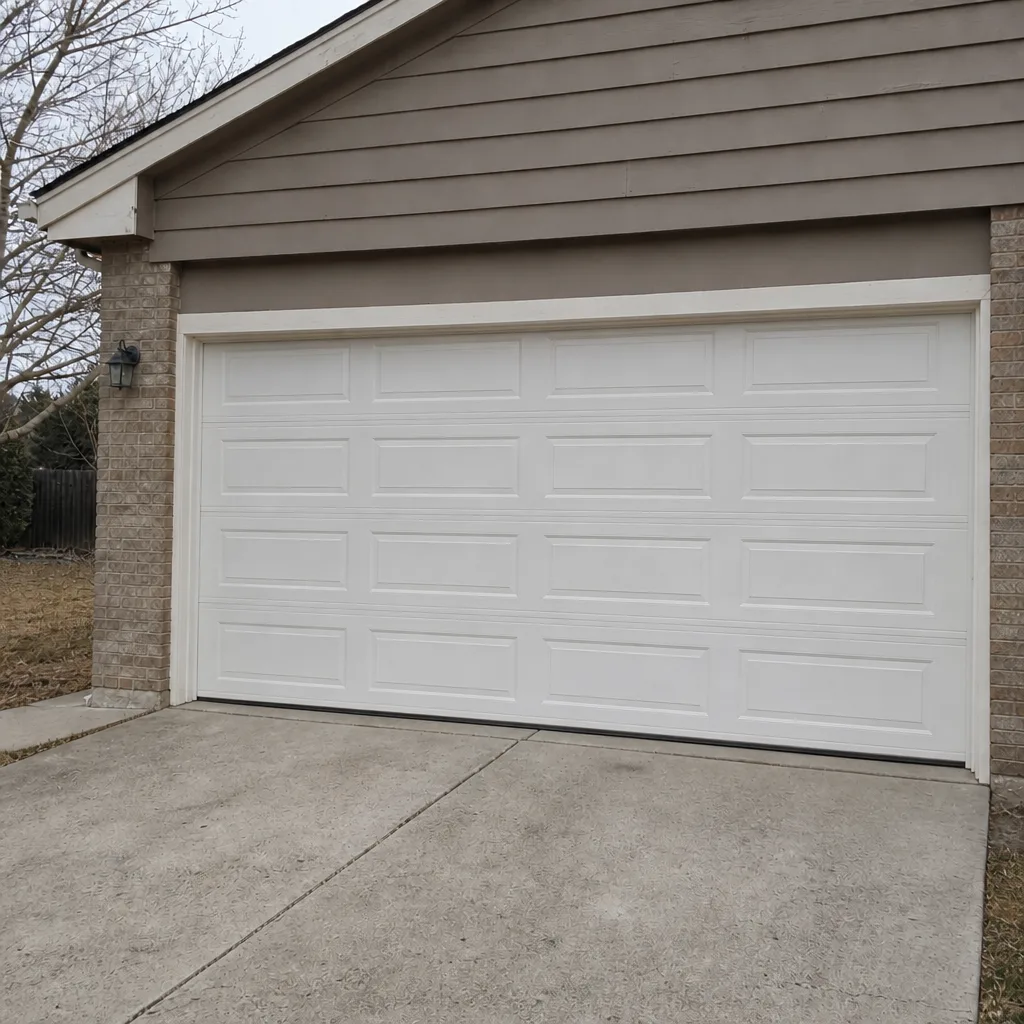
See the difference
 Before
 After
 Before
 After
 Before
 After
When to Call a Professional
There are a few moments when calling a garage door professional is the right call rather than a DIY attempt. If your springs have snapped or the door is stuck, don’t touch the torsion system: the tension in those springs is dangerous enough to cause serious injury. If your door is binding, reversing randomly, or the opener is running but the door isn’t moving, that’s an opener or travel adjustment issue, not a permit issue, and it’s the kind of thing garage door repair handles in a single visit. If you’re planning a replacement and need to know what’s changing structurally, electrical, and fire-rating-wise before you talk to the county, we can walk you through the technical items on the submittal so the permit review doesn’t bounce. Our technicians have up to 15 years of experience on the brands in your garage, and we work on Clopay, Amarr, Wayne Dalton, Craftsman, and the rest of the eight major brands we’re certified on. Garage Door Repair Saddle Rock offers free estimates in Saddle Rock; call (855) 976-4952 to set one up. We answer 24/7. Fast dispatch from 7am to 7pm, Sunday through Friday.
Frequently Asked Questions
It depends on whether the project is classified as a repair or a replacement. A like-for-like swap of the same size door into the same opening usually doesn’t require a permit, while a door that changes the size, header, track, or opener circuit generally does. Call the Douglas County building department with the specific change and they’ll confirm. Call (855) 976-4952 for a free estimate on the install itself – we’ll walk you through what’s changing before you file.
Permit fees in Douglas County are set by the county based on the scope and valuation of the work, and not by the installer, so the number varies by project. The county will quote the exact fee at submission, and that’s the figure to budget. For the door and installation side of the cost, call (855) 976-4952 – estimates are free and the price is set by a written quote before work starts.
The inspection covers the structural header, spring anchoring, track attachment, opener electrical, safety reverse and photo-eye function, and fire separation where the garage attaches to the house. It’s not just a look at the door panel. If you want an inspection-prep look at your current door before the county walks through, call (855) 976-4952.
You can, but it’s much easier if the work is retroactively permitted first. Unpermitted work is a common flag during a buyer’s inspection and can delay closing or reshape a negotiation. The fix is a permit for existing construction plus an inspection, and the corrections are usually manageable. Call (855) 976-4952 if the corrections involve spring or opener work.
No. The HOA and the county are two separate tracks that both need to clear. HOA approval handles the neighborhood’s exterior style rules; the county permit handles structural, electrical, and life-safety review. Clearing one does not clear the other, so plan for both. Call (855) 976-4952 if you want a door style pre-check against typical Saddle Rock HOA specs before you submit.
The written estimate sets the price. On a replacement, that estimate follows a measure of the opening, so the number you agree to is the number on the invoice. If we find something during the install that genuinely wasn’t visible at measure, we stop and talk to you before any additional work starts. Call (855) 976-4952 for a free measure and a written price.
The Bottom Line
Garage door permits in Saddle Rock aren’t about paperwork for its own sake. They’re the record that a door was installed correctly on the structure it serves, with the spring anchoring, opener wiring, and fire separation the code expects. A like-for-like repair usually doesn’t need one; a replacement that changes the opening, the track, the electrical, or the fire-rated assembly usually does. HOA approval in Saddle Rock runs alongside the county permit, not instead of it, and both should clear before the door is ordered. If you’re looking at unpermitted work from a previous owner, get it retroactively permitted before you list. The picture is manageable once you know the steps.
If you want a straight answer on the door side of your project before you talk to the county, call Garage Door Repair Saddle Rock at (855) 976-4952 for a free estimate. We work on the brand already in your garage, and we’ll tell you exactly what’s changing and why it matters for the permit. We answer 24/7. Fast dispatch from 7am to 7pm, Sunday through Friday. For a look at everything we cover, start with Garage Door Repair Saddle Rock.
Written by the team at Garage Door Repair Saddle Rock.