
Last updated November 21, 2026
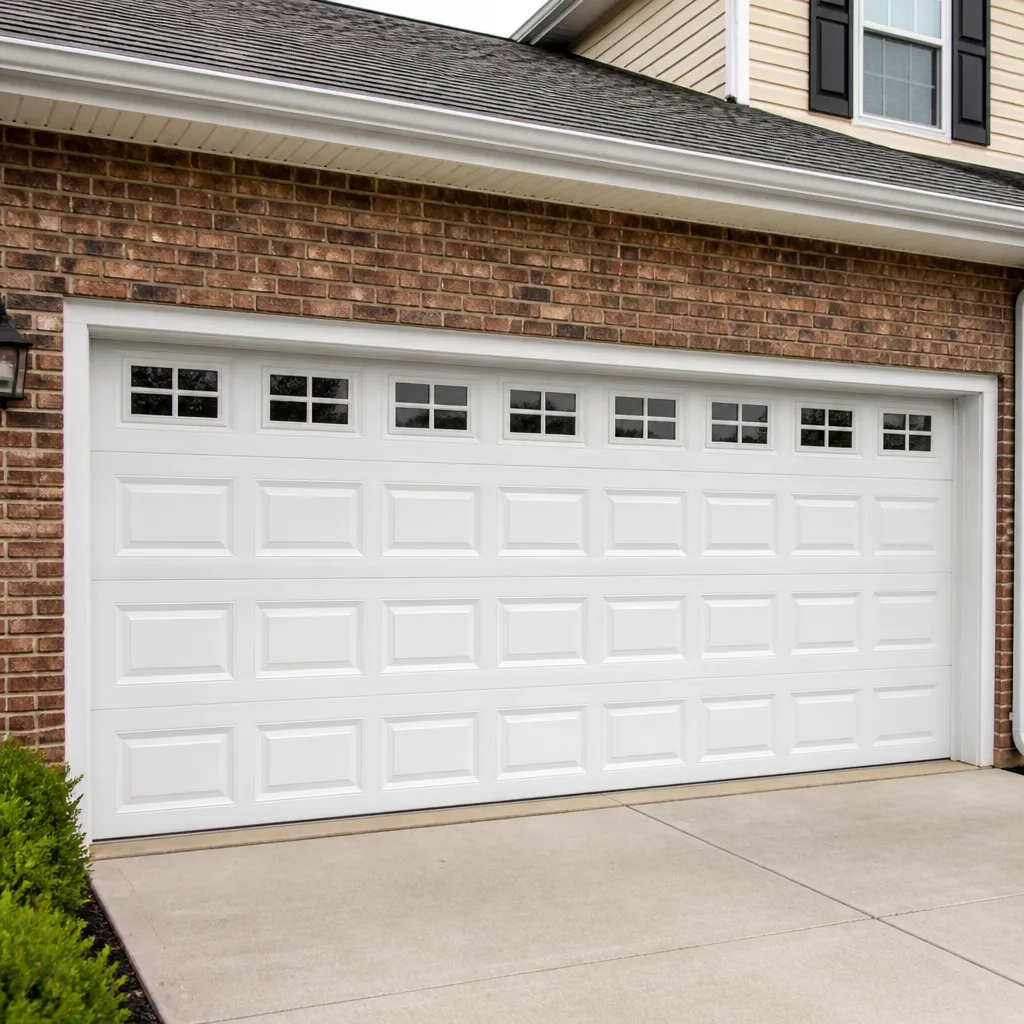 Raised-panel steel
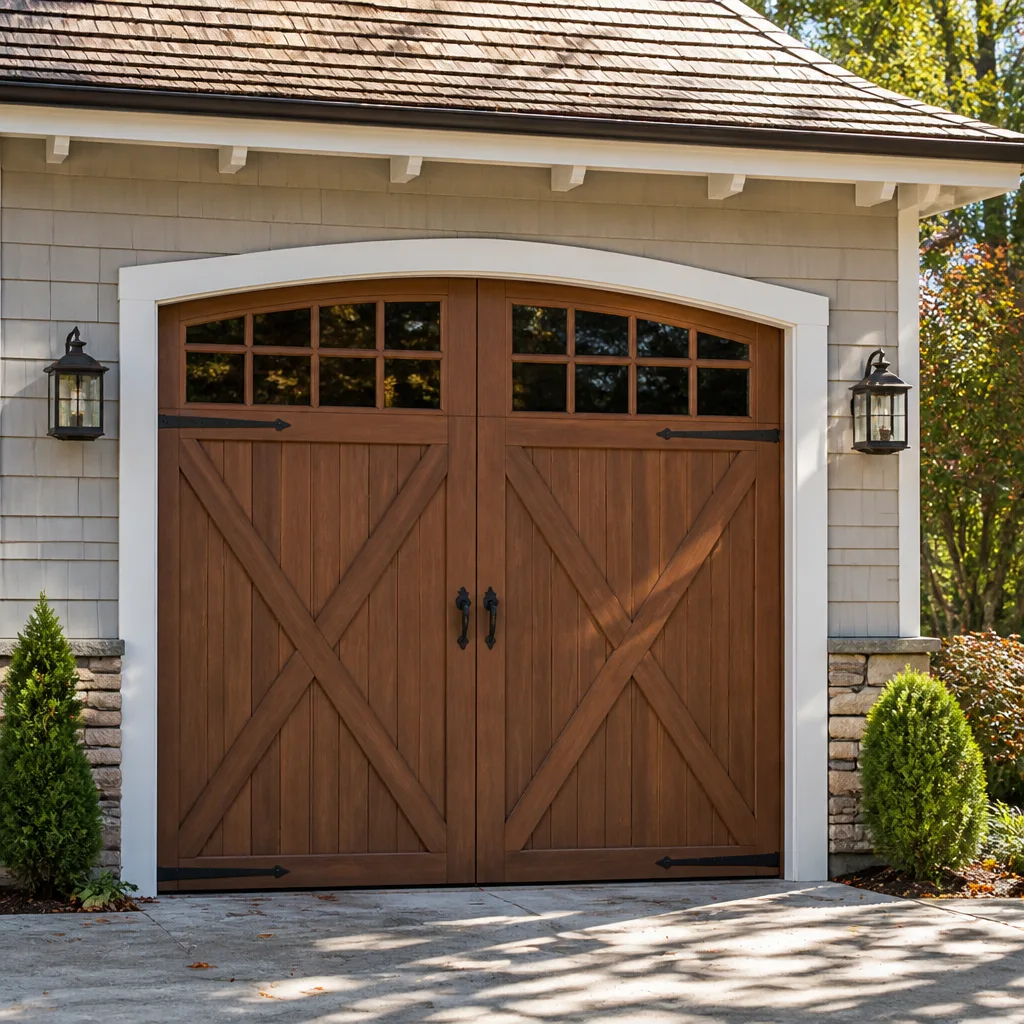 Carriage house
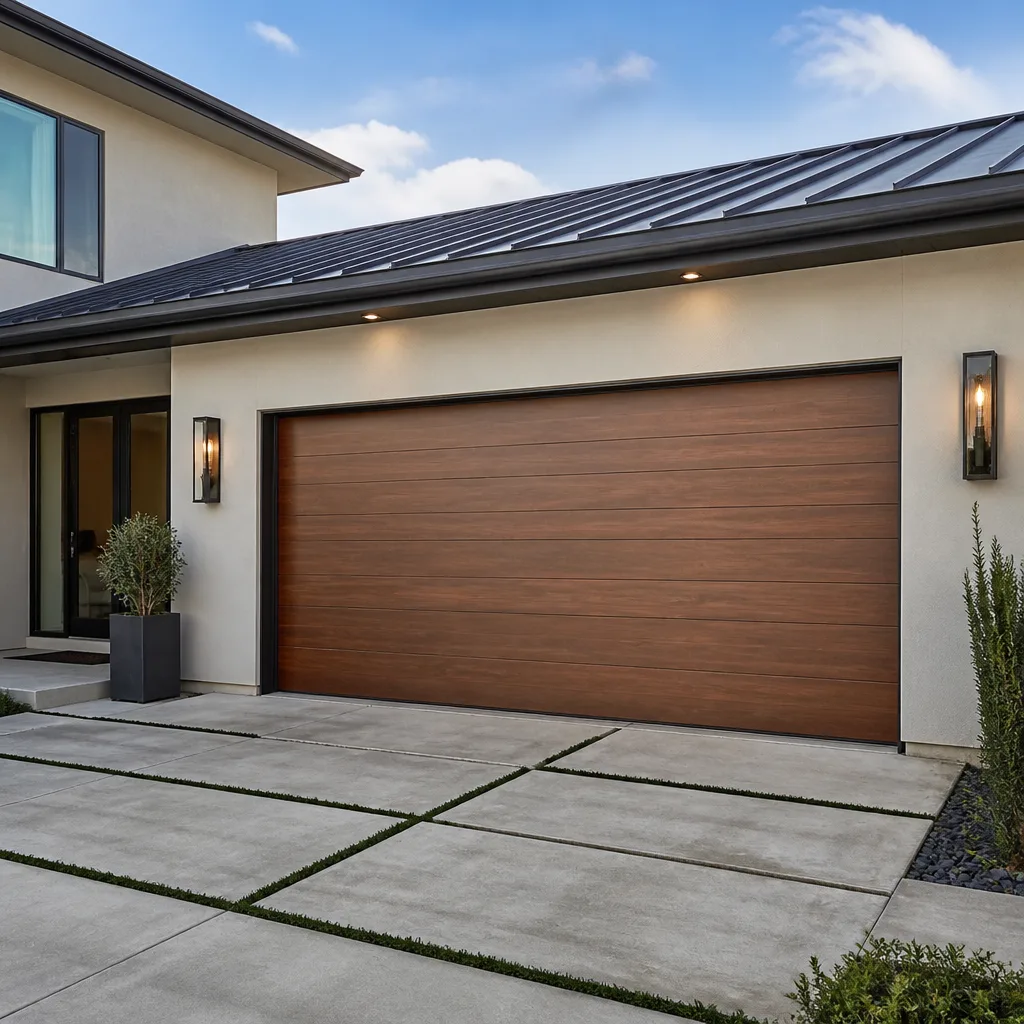 Modern flush
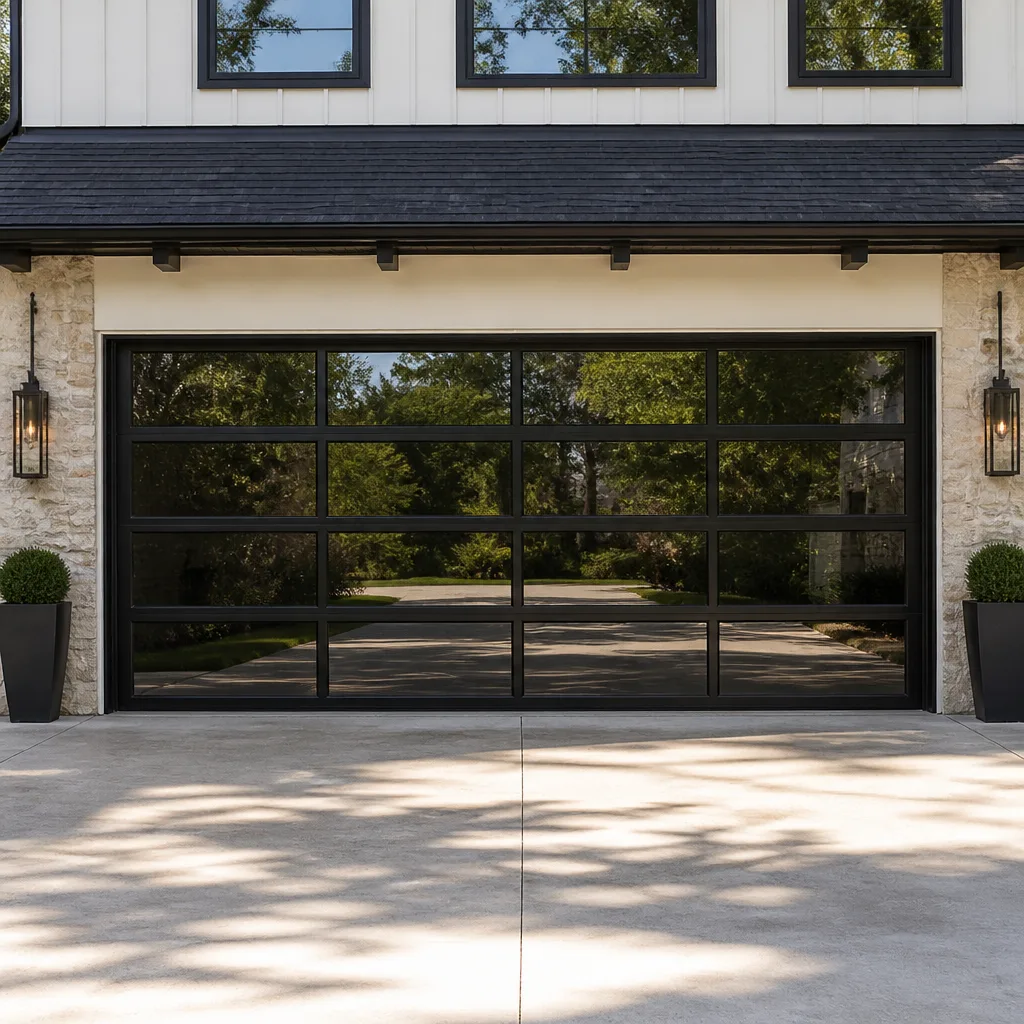 Full-view glass
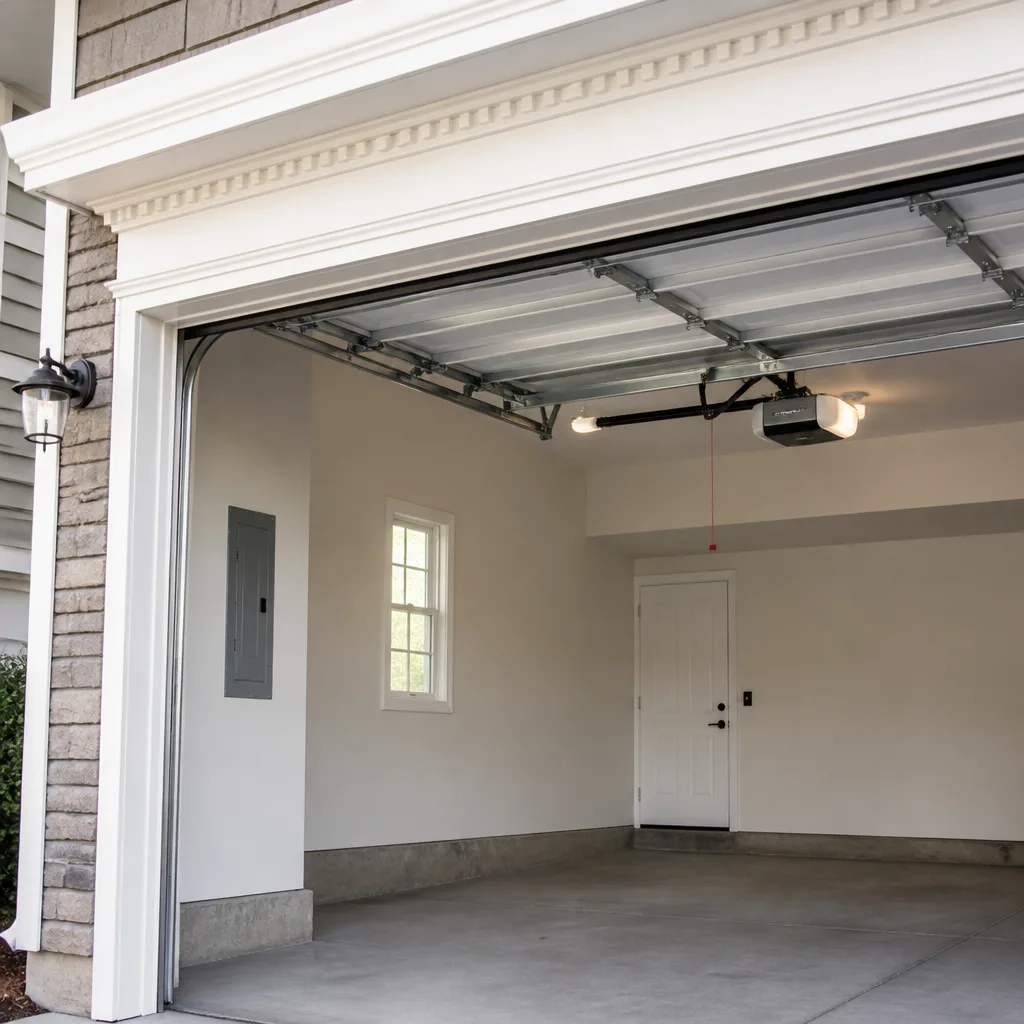 LiftMaster openers
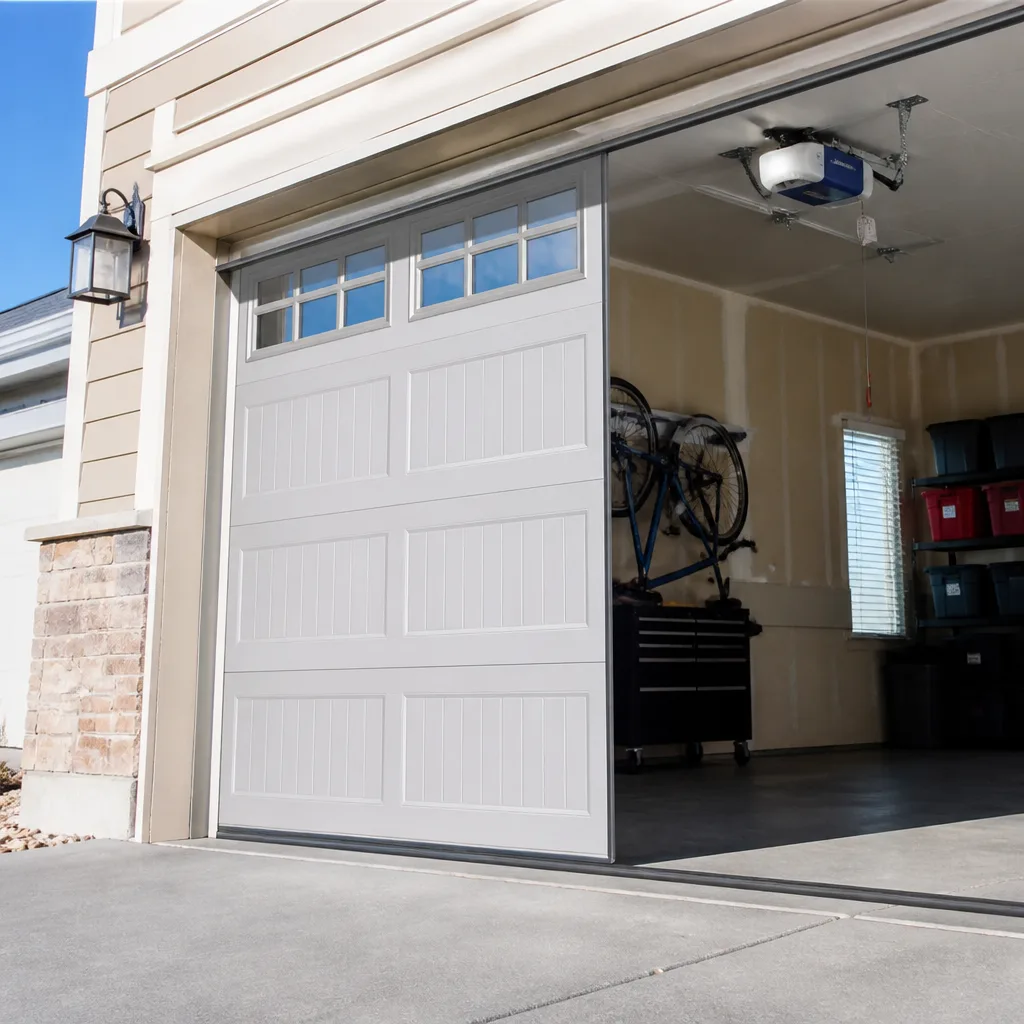 Chamberlain openers
Full 25-point door and opener safety check with every visit - springs, cables, rollers, tracks, and your LiftMaster or Chamberlain opener included
You get a price before we start. It does not change when the pro arrives.
Get your free estimateChoosing the Right Garage Door Brand: A Buyer’s Guide for Saddle Rock
The garage door brand that wins national consumer surveys is often the one engineered for humid, near-sea-level air. Saddle Rock sits at roughly 6,300 feet in dry Colorado, where the sun is harsher, the air pulls moisture out of everything, and temperatures swing hard between summer heat and winter cold. A door and finish tuned for a damp Southern climate doesn’t always hold up here. That gap between “most popular nationally” and “right for this market” is what this guide is about. You’ll learn which specs actually matter in Saddle Rock, how steel gauge and finish warranties differ across manufacturers, which brands keep parts available locally, and how to pick a door your HOA will approve without a months-long custom order.
Quick Answer
The right garage door brand for Saddle Rock depends on three things: a finish and weatherstripping built for dry high-altitude sun, steel thick enough to shrug off hail, and a dealer network that keeps parts in stock so a snapped spring or dead opener doesn’t turn into a multi-week wait. Clopay and Amarr lead for finish durability and HOA-friendly options, Wayne Dalton and Raynor offer solid value on lighter use, and LiftMaster, Chamberlain, Genie, and Craftsman dominate the opener side. Match the brand to your climate, your daily use, and your local parts access, not to a national ranking.
Styles & brands we work with
- Raised-panel steel
- Carriage house
- Modern flush
- Full-view glass
- LiftMaster openers
- Chamberlain openers
Table of Contents
- Why Brand Choice Matters More in Saddle Rock Than You’d Think
- How Altitude, Dry Air, and Temperature Swings Shape Brand Choice
- Head-to-Head: The Specs That Actually Matter Here
- Steel Gauge and Hail: Why 24 vs. 25 Gauge Matters
- HOA-Friendly Brands and Customization Without the Wait
- Parts Availability and the Proprietary Hardware Trap
- Choosing an Opener Brand: LiftMaster, Chamberlain, Genie, and Craftsman
- A Step-by-Step Way to Choose Your Brand
Why Brand Choice Matters More in Saddle Rock Than You’d Think
Most homeowners shop for a garage door the way they shop for a refrigerator: by name recognition and price. That works fine for appliances. A garage door is different because it’s a system – panels, springs, tracks, hinges, rollers, and an opener that all have to work together, and all of which wear at different rates. The brand you pick determines how that system ages and, just as important, how easily it can be repaired when one part fails.
In Saddle Rock, that decision carries extra weight. The Front Range gets intense sun year-round, low humidity that dries out seals and weatherstripping, and a freeze-thaw cycle that works on every moving part. A door that’s spec’d for a mild climate can crack, fade, or lose its seal faster here. We’ve worked on plenty of garage doors across the neighborhoods around Saddle Rock, and the pattern is consistent: doors chosen for climate-appropriate finish and steel hold up; doors chosen purely on national reputation don’t always.
There’s a second layer that consumers rarely think about until something breaks. Every manufacturer builds hardware slightly differently. Spring sizes, drum profiles, hinges, and opener compatibility vary. A brand with proprietary parts can lock you into a single service provider for the life of the door. A brand with widely stocked, cross-compatible parts keeps your options open. This guide treats both the engineering and the practical repair side, because in Saddle Rock, a hard-to-source part on a 6,300-foot, hail-prone property is a real cost and a real headache.
We service equipment from eight manufacturers – LiftMaster, Chamberlain, Genie, Clopay, Amarr, Wayne Dalton, Craftsman, and Raynor – so when we compare them here, it’s based on what our technicians actually see on the job, not on a spec sheet.
How Altitude, Dry Air, and Temperature Swings Shape Brand Choice
Altitude and dryness change what your garage door faces. At Saddle Rock’s elevation, the sun’s UV intensity is higher than at sea level, and the air is often drier. That combination is hard on finishes, paint, and the rubber seals that keep wind, dust, and cold out. A manufacturer whose door finish and weatherstripping were tuned for humid air may not hold up the same way here.
Here’s what that means in practice for Saddle Rock:
- Finish and UV resistance. Dry, sun-heavy climates stress paint systems differently than damp ones. Brands with stronger exterior finish warranties for sun and dryness tend to age better. Look at the finish warranty specifically, not just the panel warranty.
- Weatherstripping and seals. Low humidity dries out rubber and vinyl over time. A door with well-designed, replaceable seals is easier to keep tight in Saddle Rock’s dry air. Replaceable is the key word – seals are maintenance.
- Temperature swings. The swing between summer heat and winter cold works on steel and on springs. Insulated doors hold temperature more evenly, which lowers cycling stress on the hardware over the years.
- Wind load. The Front Range sees strong wind events. Doors rated and reinforced for wind load hold up better and are safer in a gust. Ask about the wind load rating, especially on larger single-bay doors.
- Hail. More on this below, but Saddle Rock gets hail, and steel gauge is your dent-resistance line of defense.
None of this points to one “best” brand. It points to criteria. A manufacturer that leads on humid-climate performance nationally may not lead on dry high-altitude performance. When you compare brands, compare them on these Saddle Rock-specific factors rather than on where they sit in a national survey.
Head-to-Head: The Specs That Actually Matter Here
Manufacturer marketing emphasizes color options and smart features. In Saddle Rock, the specs that matter over the life of the door are less glamorous. Here’s the comparison framework we use, and where the major brands tend to land.
- Insulation R-value. If your garage is attached and you use it as a buffer or workspace, insulation matters for comfort and for even temperature. Clopay and Amarr offer strong insulated options; Wayne Dalton and Raynor have competitive insulated lines as well. Ask for the R-value on the specific model, not the brand as a whole.
- Finish warranty against UV and dryness. This is where Saddle Rock buyers should look hardest. Compare the finish warranty terms on exterior sun and dryness, and read whether the warranty covers fade and cracking specifically. Clopay and Amarr generally offer robust finish terms on their higher lines.
- Wind load rating. Confirm the door is rated for the wind load your property needs and that the manufacturer’s reinforcement matches. Not every budget line is rated; don’t assume.
- Steel gauge. Covered separately below, but it’s the single best proxy for hail dent resistance. Thicker steel (a lower gauge number) resists dents better.
- Parts availability. The quiet spec. A brand with common, widely stocked spring and hardware sizes is far easier to keep running in Saddle Rock than one requiring factory orders.
The takeaway: don’t compare brands on a single axis. A brand can lead on insulation but trail on finish durability or parts access. Match each spec to how you actually use the garage and how much sun and hail the door faces.
Steel Gauge and Hail: Why 24 vs. 25 Gauge Matters
Steel gauge is the number most buyers skip and later wish they hadn’t, especially in a hail region. Gauge works in reverse from what you might expect: a lower number means thicker steel. A 24-gauge door has thicker steel than a 25-gauge door, and that difference is your dent resistance.
Saddle Rock gets hail, and a hailstorm can leave a thin-gauge door dimpled and pitted. Thicker steel absorbs impacts better and holds its shape. Here’s how to think about it when comparing brands:
- Ask for the gauge on the specific model. Brands offer multiple lines at different gauges. “Brand X uses 24-gauge” is only true of some of their doors.
- Prioritize 24-gauge for exposed or hail-facing doors. If your door faces the direction storms typically arrive from, thicker steel is worth the upgrade.
- Pair gauge with a good finish. Thick steel with a weak finish still fades and cracks. You want both: 24-gauge where you can get it, and a finish warranty built for sun and dryness.
- Consider insulated panels. Insulated doors often use sturdier construction overall, which can help with both hail resistance and temperature stability.
Here’s the practical truth from the field: after a hail event in Saddle Rock, we see more damage on lighter-gauge doors. The denting is cosmetic at first, but dents can trap moisture, stress the finish, and start to rust. Choosing thicker steel up front is cheaper than replacing panels later. If you’re weighing a budget line against a mid-line door and the difference is 24-gauge versus 25-gauge, that’s a spec worth paying attention to.
Steel gauge is also one of the few specs you can compare fairly across brands without getting lost in marketing. When you’re comparing Clopay, Amarr, Wayne Dalton, and Raynor, line up the gauge and the finish warranty side by side and let those two numbers do the talking.
HOA-Friendly Brands and Customization Without the Wait
Saddle Rock has neighborhoods with architectural standards, and a garage door is one of the most visible elements a homeowner changes. HOAs often care about color, window placement, panel style, and how the door reads from the street. The good news: you don’t have to go full custom-order to satisfy most HOA guidelines.
Some manufacturers offer stock and semi-custom options that let you match color and window layout without the long lead times of a fully custom door. Clopay and Amarr are strong here on color and window flexibility across their lines; Wayne Dalton also offers HOA-friendly styles. Before you order:
- Get your HOA’s written guidelines first. Color, panel style, and window placement rules should be in writing. Don’t rely on a neighbor’s memory.
- Confirm your color is a stock or semi-custom option. Many HOA-approved colors are standard from Clopay and Amarr. Ask the installer to confirm before you commit.
- Check window placement options. Window density and placement are a common HOA sticking point. Ask which lines offer flexible window layouts without a custom order.
- Ask about lead times in writing. Semi-custom is usually far faster than fully custom. Get the timeline in the estimate.
When you’re ready to move from comparison to a firm number, a professional measure and a written price on the specific model is the next step. That’s what garage door installation starts with in Saddle Rock: the door is measured and the quote is set before anything is ordered.
Parts Availability and the Proprietary Hardware Trap
This is the section most buyer’s guides skip, and it’s the one that matters most a few years down the road. Garage doors break at the parts level: a spring, a roller, a hinge, an opener gear. How easily that part can be sourced determines whether you get a same-visit repair or a multi-week wait.
Brands with widely stocked, cross-compatible hardware keep your options open. A spring or roller you can get quickly means one call, one visit. Brands with proprietary parts can lock you into a single service provider for the door’s life – and give you less leverage when something fails. In Saddle Rock, where dry air and freeze-thaw cycles wear parts steadily, access to parts is a real advantage.
Here’s what to weigh:
- Common spring sizes and drum profiles. Brands that use standard sizes are easier to repair. Ask whether the springs are a common size.
- Roller, hinge, and track compatibility. Proprietary profiles force you to buy from one source.
- Opener-to-door compatibility. Some openers pair more naturally with certain door brands. A mismatch is fixable but adds friction.
- Local parts stock or sourcing. The difference between “we can get that today” and “that’s a two-week factory order” is everything when your door won’t open.
We stock and source garage door parts, which shortens the “same visit, right part” gap that slows down a lot of repairs. That’s one of the practical reasons brand choice matters: the brand with easy parts access is easier to keep running.
Choosing an Opener Brand: LiftMaster, Chamberlain, Genie, and Craftsman
The opener is a separate purchase decision from the door, and the brand you choose there matters just as much. The residential opener market is dominated by a handful of brands, and each has a different service picture in Saddle Rock.
LiftMaster and Chamberlain are part of the same corporate family and dominate the smart-home opener side; Craftsman is closely related on the consumer end. Genie is the best-known independent brand. Together these cover the majority of residential openers on the market.
- LiftMaster. Prevalent in newer homes and smart-home setups. We repair and service LiftMaster openers as a core part of our opener work.
- Chamberlain. The consumer-heavy cousin, widely installed. Wi-Fi-enabled and legacy models are both common in Saddle Rock.
- Craftsman. Familiar to a lot of homeowners. Parts and service are widely available.
- Genie. The independent option, with solid repair support. If you have a Genie, you’re not locked in.
Two things to weigh when choosing an opener brand: how it handles a Wi-Fi or smart-home setup, and how easy it is to get serviced. Legacy openers are reliable but harder to add smart features to; newer Wi-Fi openers are convenient but can need firmware and pairing help. On the service side, garage door opener repair is a core service for us across both LiftMaster and Chamberlain, covering legacy systems and modern Wi-Fi-enabled openers alike. That matters: opener repair is a brand-specific skill, and a generalist handyman is often out of their depth.
If your opener is failing, the brand is less important than getting it diagnosed correctly. We diagnose before we quote, so you know whether it’s the opener, the door, or a spring before you spend anything.
A Step-by-Step Way to Choose Your Brand
Here’s the process we’d walk any customer through in Saddle Rock. Work through these in order and you’ll make a decision you can live with.
- Check your HOA requirements first. Color, panel style, and window placement in writing before you compare brands.
- Match the door to how you use the garage. Insulated for a work space or attached buffer; uninsulated is fine for light use. This narrows the lines within each brand.
- Compare steel gauge on the specific model. In hail country, 24-gauge beats 25-gauge. Ask for the gauge by model.
- Read the finish warranty for sun and dryness, not just panels. This is the Saddle Rock-specific spec that ages your door.
- Confirm the wind load rating. Don’t assume; ask.
- Check parts availability for the model. Common spring sizes, standard hardware, local sourcing.
- Separate the opener from the door decision. Compare LiftMaster, Chamberlain, Genie, and Craftsman on smart-home needs and service support.
- Get a professional measure and a written price. The estimate is free, and the written quote sets the final price.
This is the order that keeps you from overpaying for prestige or getting stuck with a door that’s a pain to keep running. The best brand for Saddle Rock is the one that matches your HOA, your climate, and your parts access, not the one that tops a national list.
Common Mistakes to Avoid
- Picking by national ranking alone. The most popular brand nationally may be tuned for a humid climate. In dry, sunny Saddle Rock, compare finish durability and parts access instead.
- Ignoring steel gauge in hail country. Buying a 25-gauge door because it’s cheaper saves a little up front and costs more after the first hail event.
- Skipping the HOA paperwork. Ordering a color or panel your HOA rejects is an expensive do-over. Get the guidelines in writing first.
- Choosing a door without checking parts availability. Proprietary hardware can lock you into one service provider for the door’s life. Ask about common spring sizes and standard hardware.
- Treating the opener as an afterthought. The opener brand affects service and smart-home compatibility. Compare LiftMaster, Chamberlain, Genie, and Craftsman deliberately.
- Assuming the door and opener are one brand decision. The two systems are separate purchases with separate service needs. Don’t let a door brand dictate your opener.
- Skipping the professional measure. A firm written quote on the specific model beats a verbal estimate every time, and the estimate is free.
See the difference
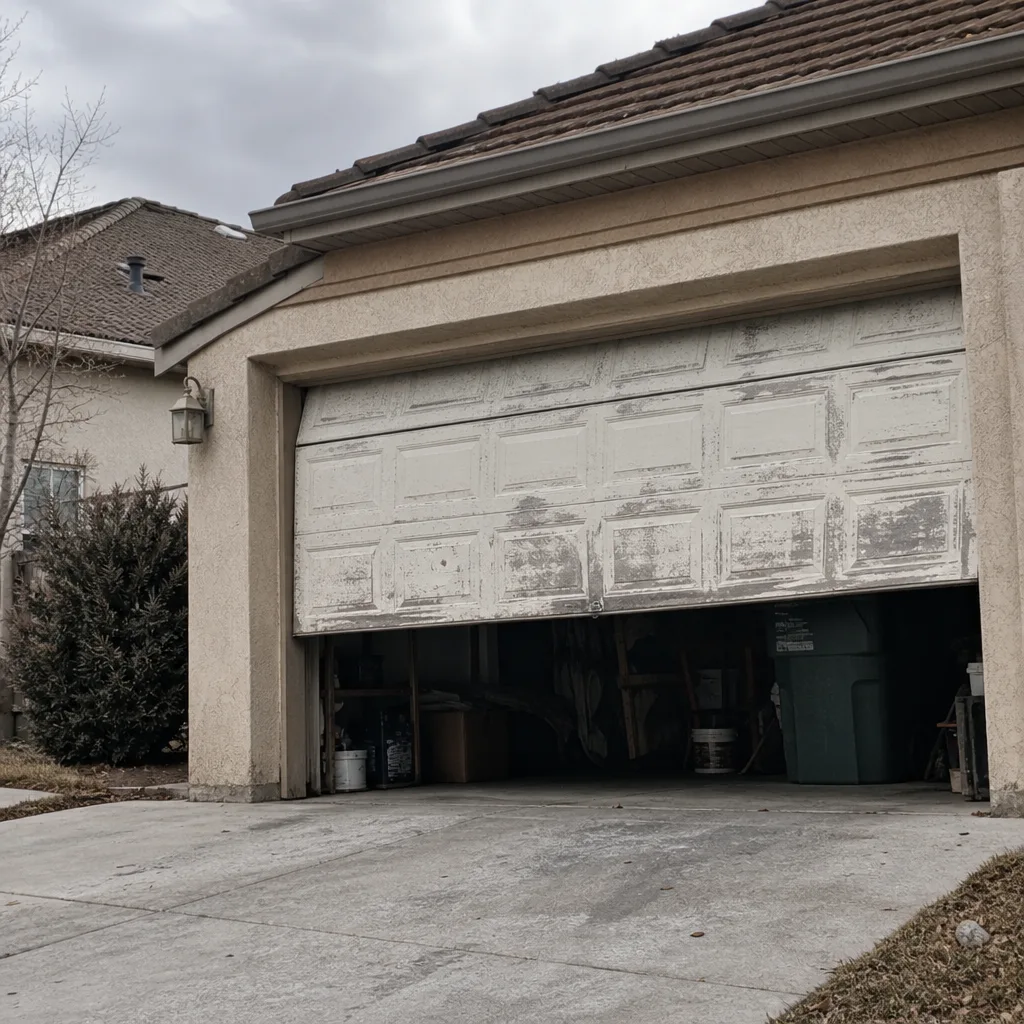 Before
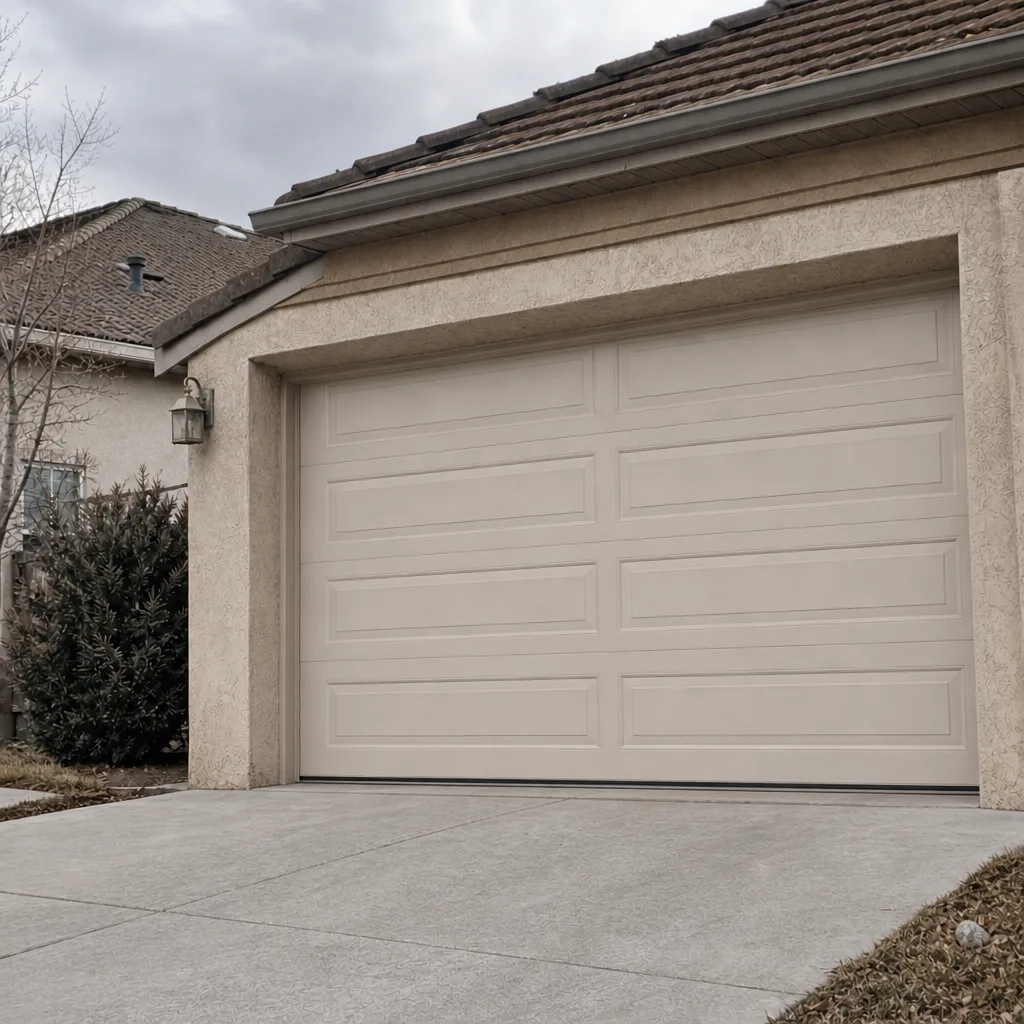 After
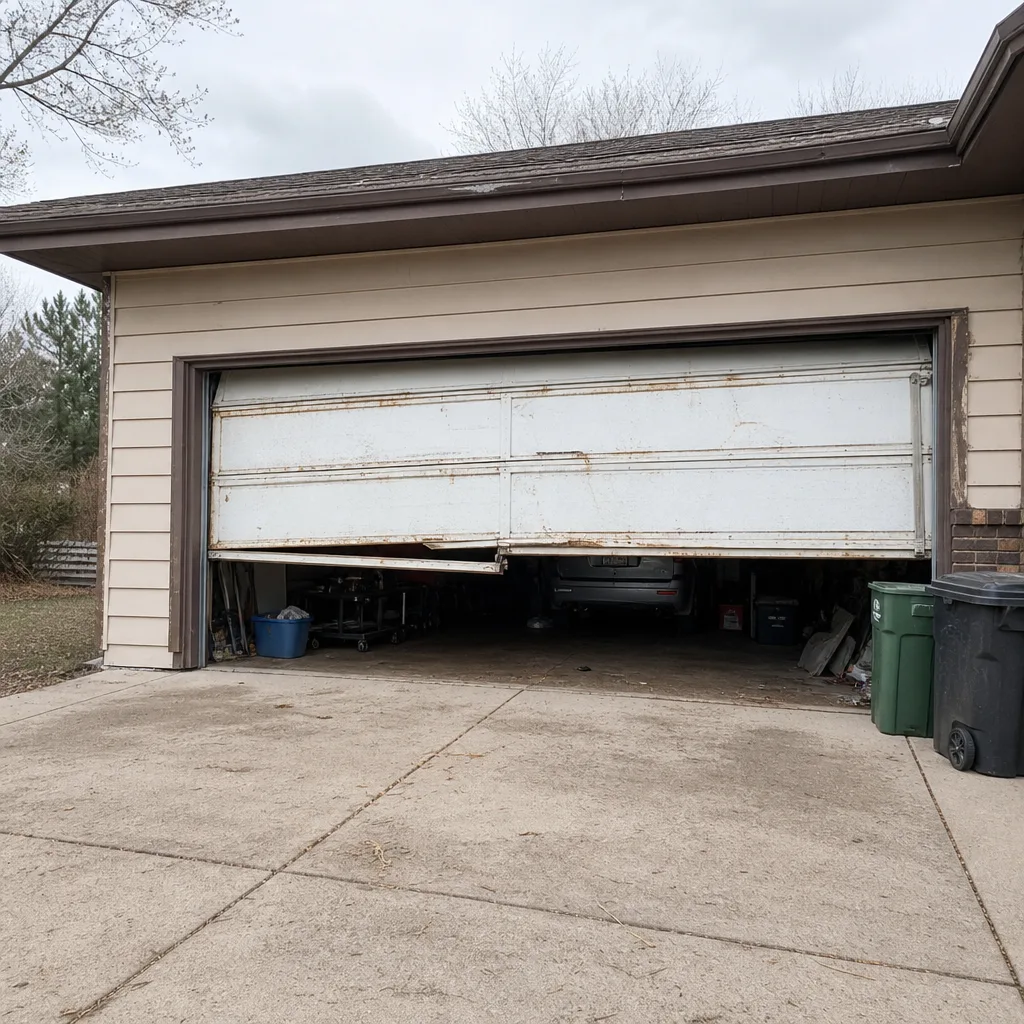 Before
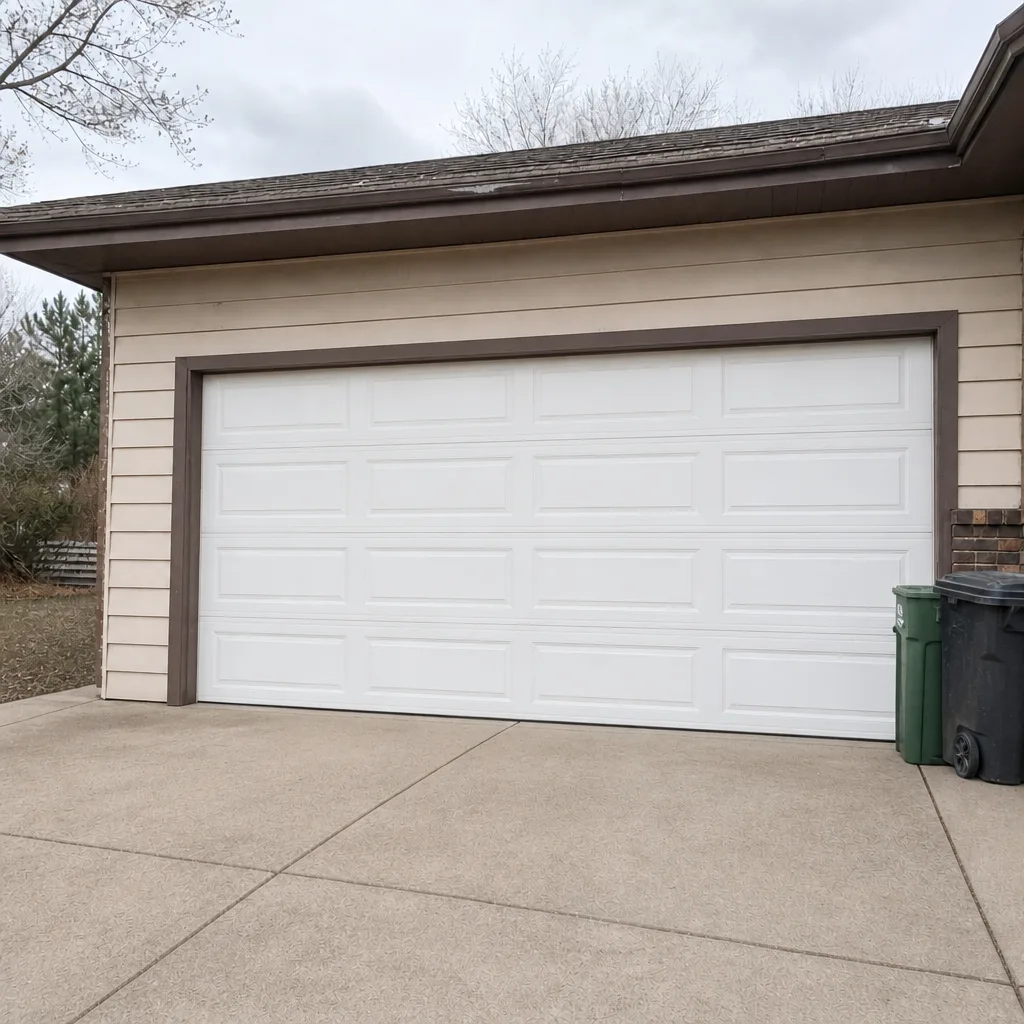 After
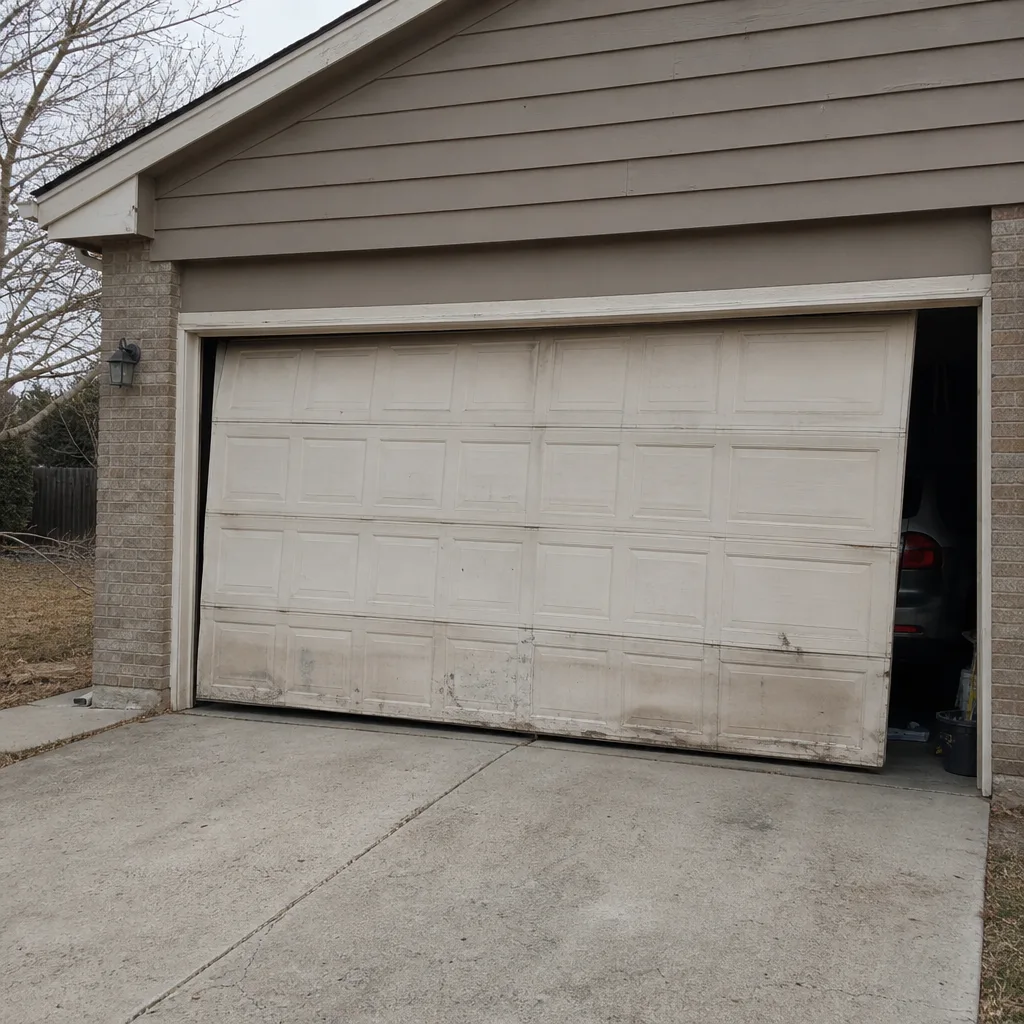 Before
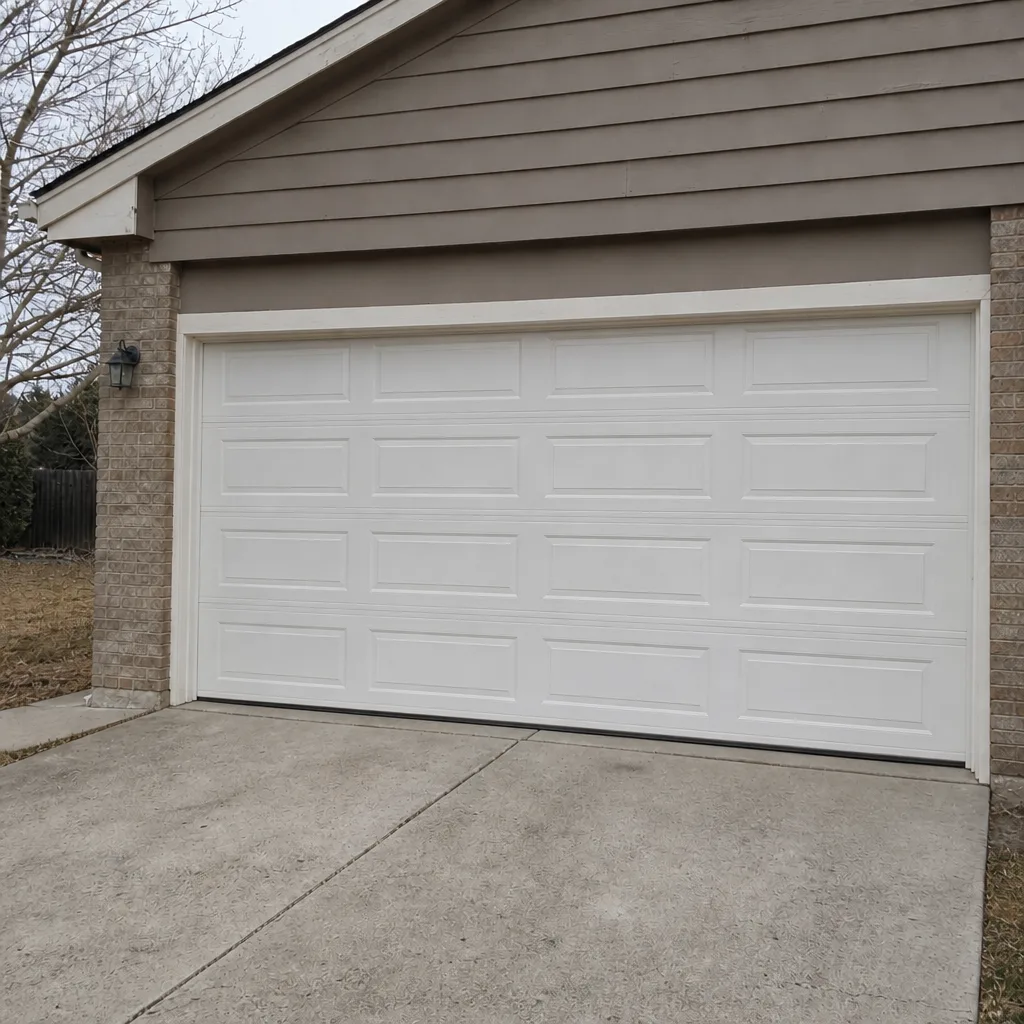 After
When to Call a Professional
Some decisions are fine to research on your own. Others need a trained technician on site. Spring work tops that list: high-tension springs and cables are genuinely dangerous and can injure badly, so don’t attempt spring, cable, or opener repair yourself. If your door is popping, stuck halfway, or won’t stay up, that’s a stop-and-call situation, and we’ll diagnose it before quoting. Brand comparison, HOA matching, and a firm measure also go faster with a technician who works on all eight of these brands every day. We handle garage door repair and spring work directly, so nothing gets referred out. Garage Door Repair Saddle Rock offers free estimates in Saddle Rock – call (855) 976-4952. We answer 24/7. Fast dispatch from 7am to 7pm, Sunday through Friday.
Frequently Asked Questions
There isn’t one best brand for Saddle Rock – the best choice depends on your HOA, your daily use, and your door’s exposure to sun and hail. Clopay and Amarr lead on finish durability and HOA-friendly options, Wayne Dalton and Raynor offer solid value on lighter use, and LiftMaster, Chamberlain, Genie, and Craftsman dominate the opener side. The winning brand is the one whose specs match your specific needs, so call (855) 976-4952 for a free estimate and a written quote.
Yes. At Saddle Rock’s elevation, UV intensity is higher and the air is drier than at sea level, which stresses finishes and weatherstripping differently than a humid climate would. A door tuned for humidity may not hold up as well here. Look for finish warranties that specifically cover sun and dryness, and choose replaceable seals. Estimate first, at no cost – call (855) 976-4952.
Because Saddle Rock gets hail, and steel gauge is your dent-resistance line of defense. A lower gauge number means thicker steel: 24-gauge is thicker than 25-gauge and resists hailstorm denting better. Ask for the gauge on the specific model you’re comparing, not the brand as a whole. Call (855) 976-4952 for a free estimate on a thicker-gauge door.
It depends on the model and the hardware. Brands that use common spring sizes and standard hardware are far easier to repair quickly, while proprietary parts can require longer factory orders. We stock and source parts to shorten the wait. Call (855) 976-4952 for an exact quote – estimates are free.
Yes. Several manufacturers offer stock and semi-custom colors and window placements that satisfy most HOA guidelines without the long lead times of a fully custom door. Get your HOA’s written guidelines first, then confirm the color and window layout are stock options. Call (855) 976-4952 for a free measure and a written price.
Yes. Brands with widely stocked, cross-compatible hardware get repaired faster because the part can be sourced quickly. Proprietary hardware can slow repairs down and lock you into one service provider. We service eight major brands, so whatever’s in your garage, we can diagnose and quote it – call (855) 976-4952. We answer 24/7. Fast dispatch from 7am to 7pm, Sunday through Friday.
The Bottom Line
Choosing a garage door brand in Saddle Rock is a match-to-fit decision, not a popularity contest. The right brand is the one whose finish holds up under high-altitude sun and dry air, whose steel gauge resists hail, whose wind load rating suits your door, and whose parts are easy to source when something wears out. Match your HOA requirements first, compare steel gauge and finish warranty on the specific model, then separate the opener decision and compare LiftMaster, Chamberlain, Genie, and Craftsman on smart-home needs and service support. Get a professional measure and a written price before you order. That’s the whole guide in one sentence: pick the door that’s built for this altitude, not for a humid one somewhere else.
When you’re ready to move from research to a firm number, we can help. Garage Door Repair Saddle Rock specializes in garage doors and nothing else, and we work on the brand already in your garage. Garage Door Repair Saddle Rock offers free estimates across Saddle Rock – call (855) 976-4952. We answer 24/7. Fast dispatch from 7am to 7pm, Sunday through Friday. The estimate is free, and the price is set per job by the written estimate before any work starts.
Written by the team at Garage Door Repair Saddle Rock.