
Last updated November 21, 2026
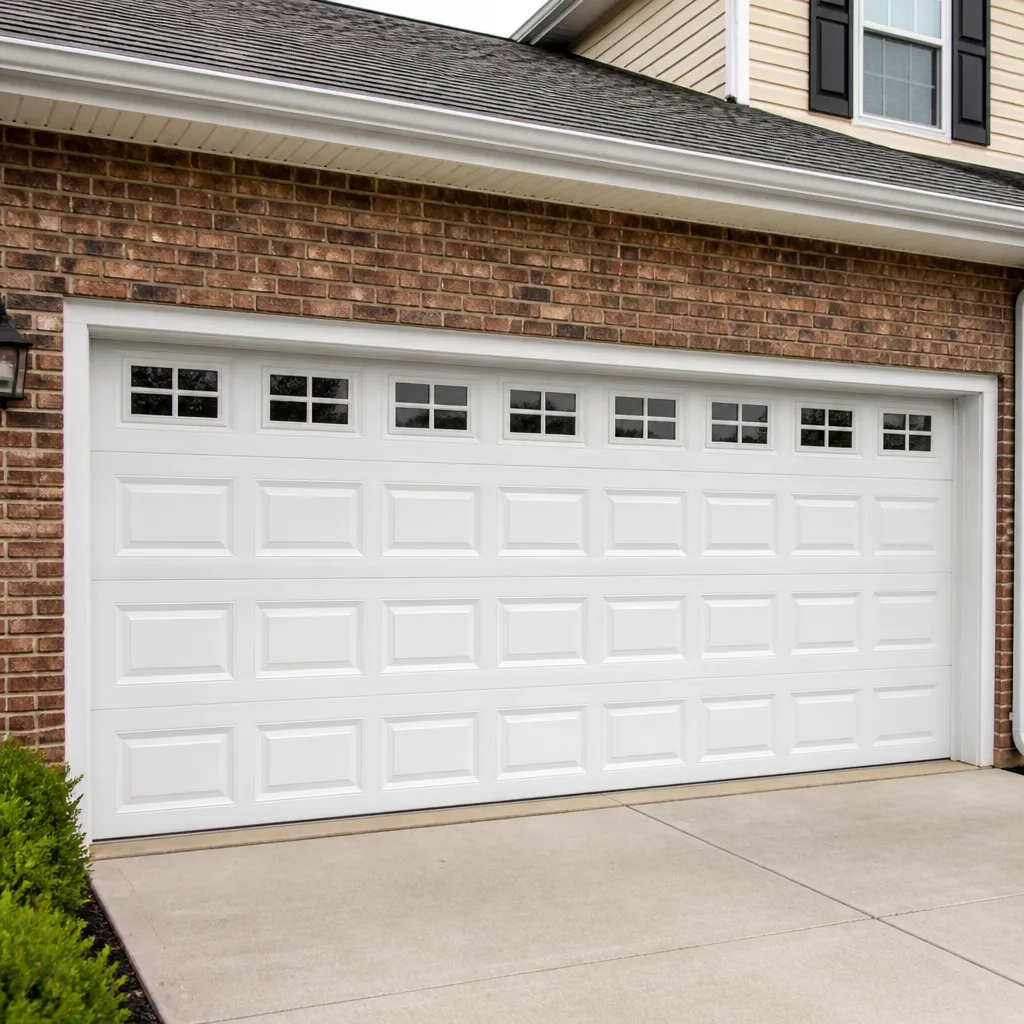 Raised-panel steel
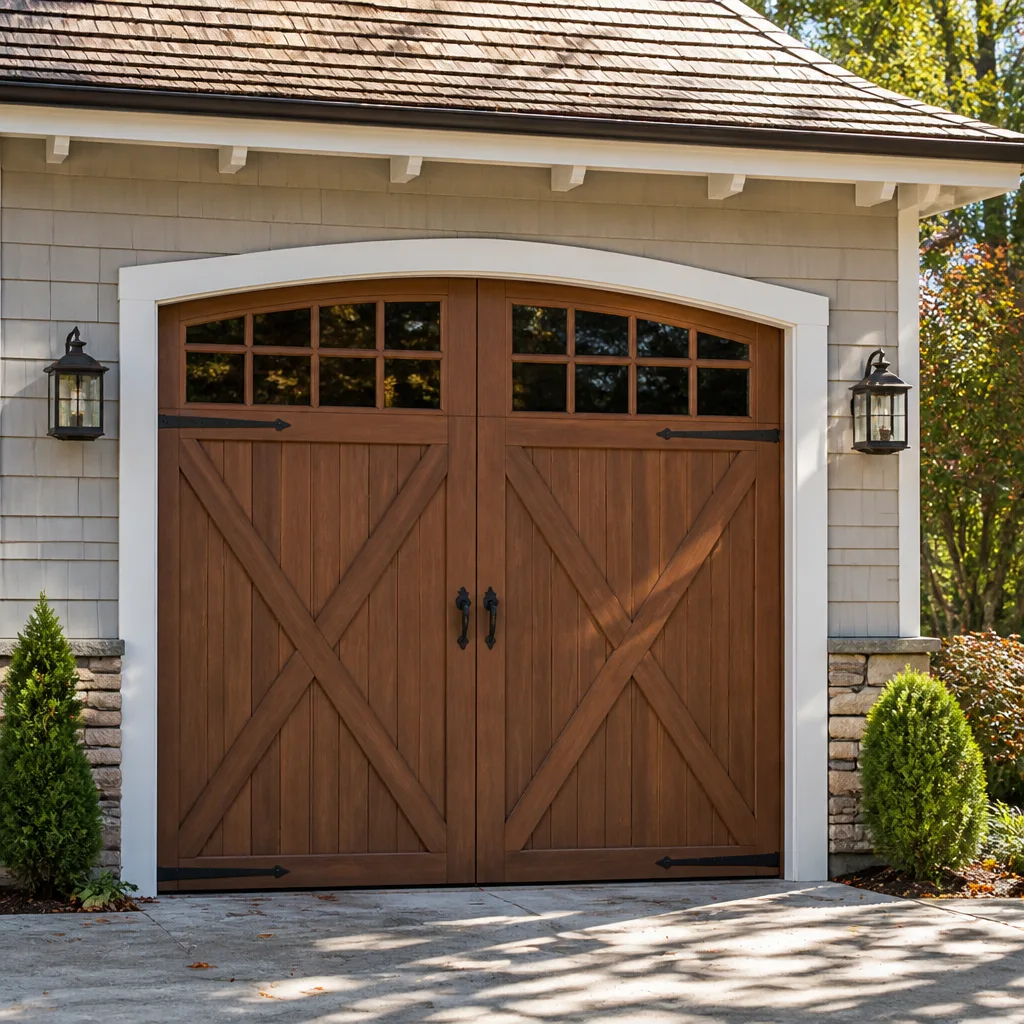 Carriage house
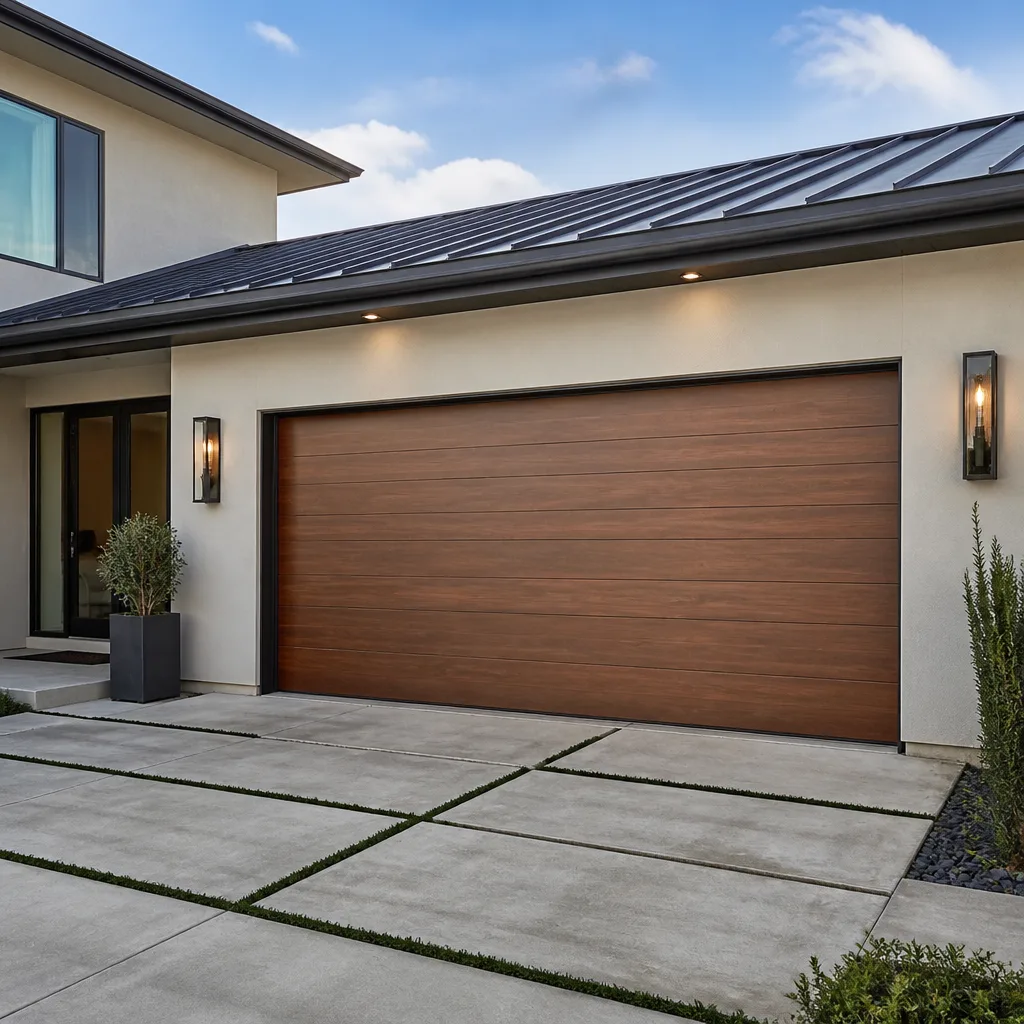 Modern flush
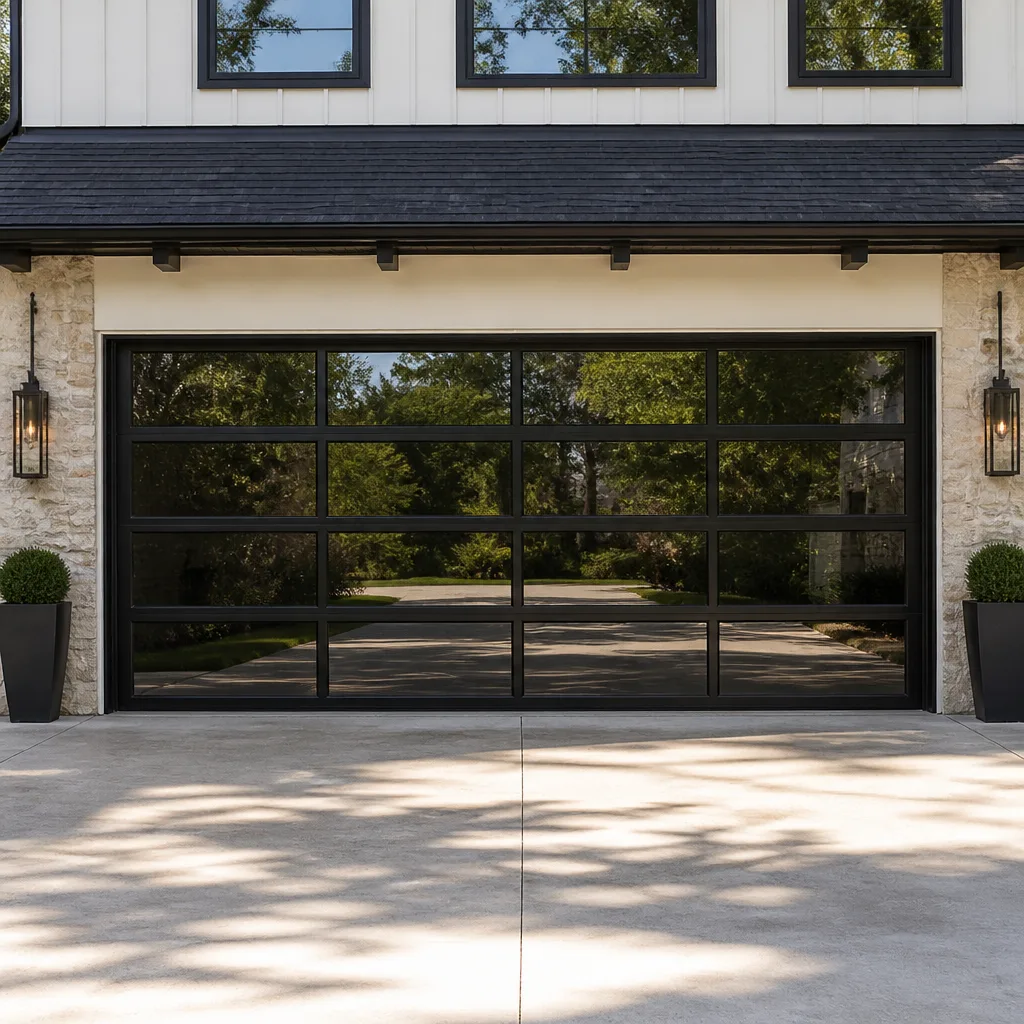 Full-view glass
 LiftMaster openers
 Chamberlain openers
Full 25-point door and opener safety check with every visit - springs, cables, rollers, tracks, and your LiftMaster or Chamberlain opener included
You get a price before we start. It does not change when the pro arrives.
Get your free estimateGarage Door Emergency Preparedness Guide for Saddle Rock Homes
During a power outage, most homeowners can’t find the emergency release cord in the dark, and pulling it the wrong way on a door with a broken spring can send a 300-pound panel down fast. The dangerous part isn’t the failure itself; it’s the first fifteen minutes, when a panicked decision turns a repair into a repair plus a dented car or a bent track. Saddle Rock sits where Front Range weather swings hard and fast, and a garage door that won’t close before a hard freeze is a real problem, not a hypothetical one. This guide walks through each common failure scenario, the specific steps to take before a technician arrives, and the pre-storm checks that keep a small issue from becoming an emergency in the first place.
Quick Answer
A garage door emergency is best handled by stopping, not forcing. If the door is stuck, jammed, or making a loud noise, leave it where it is, keep people and vehicles clear, and call for repair rather than pulling, pushing, or cycling the opener repeatedly. If springs are intact and the door is balanced, the manual release is safe to use; if a spring is broken or the door feels heavy, do not disengage it. Call (855) 976-4952. We answer 24/7, with fast dispatch from 7am to 7pm, Sunday through Friday.
Styles & brands we work with
- Raised-panel steel
- Carriage house
- Modern flush
- Full-view glass
- LiftMaster openers
- Chamberlain openers
Table of Contents
- Know Your Door Before Something Breaks
- The Emergency Release Cord: Correct Procedure, Two Very Different Scenarios
- Manual Operation for Saddle Rock Winters: Never Force a Frozen Door
- When the Door Won’t Close: Securing Your Garage Until Repair
- Power Outages and Dead Openers
- What to Tell a Technician When You Call
- The Pre-Storm Checklist for Saddle Rock Homes
- Why Spring Failures Are a Stop-Everything Event
Know Your Door Before Something Breaks
Preparation starts with ten minutes of looking at what you already own. Most Saddle Rock homeowners know the make of their car and nothing about the door that opens for it every day. That gap matters at 6 a.m. on a subzero morning, because the first question any technician asks is what kind of system is in the garage.
Walk out and check four things:
- The opener brand and model. Look at the motor housing on the ceiling. LiftMaster, Chamberlain, Genie, and Raynor are the four you’ll see most often around here, but Craftsman, Clopay, Amarr, and Wayne Dalton equipment turns up too. Write the brand and model number on a piece of tape inside the garage door frame.
- The spring type and count. Torsion springs run horizontally above the door on a metal shaft; extension springs run along the side tracks. Note how many there are. This single detail shapes the emergency release conversation later.
- The manual release cord. It’s the rope hanging from the trolley on the opener rail. Test that it’s reachable without a ladder and that the handle is intact. If you can’t find it in daylight, you won’t find it in the dark.
- The safety reversal test. Put a piece of wood flat under the door and close it. The door should reverse on contact. If it doesn’t, that’s a repair, not a wait-and-see.
While you’re out there, look at the door panels for dents and the tracks for bends. Being able to describe the door accurately when you call is the difference between a technician arriving with the right part and a second visit. Our technicians have up to 15 years of experience and work on the brand already in your garage, so a clear description on the phone speeds everything up.
One habit worth building: keep a small flashlight and a printed card with your opener model, spring type, and our number in a kitchen drawer. Saddle Rock’s evening power flickers are common enough that having this ready beats fumbling with a phone flashlight at the door.
The Emergency Release Cord: Correct Procedure, Two Very Different Scenarios
The emergency release cord does one job: it disconnects the door from the opener so you can move it by hand. Whether it’s safe to pull depends entirely on whether the springs that hold the door’s weight are working. Pull it with a broken spring and you’re holding the full weight of a door that can come down fast. Here’s the safe way to handle both cases.
Scenario 1: Springs are intact, door is balanced, opener is dead.
- Make sure no one is standing under or near the door.
- Pull the release cord straight down and toward the door. You’ll feel the trolley disengage.
- Lift the door slowly by hand. A properly balanced door should lift with one hand and stay where you leave it. If it feels heavy or slams, stop and call for repair.
- To re-engage, close the door fully and pull the cord again, then run the opener once to reconnect the trolley.
Scenario 2: A spring is broken, the door is sagging or crooked, or you heard a loud bang.
- Do not pull the release cord. Don’t lift the door. Don’t run the opener.
- Keep vehicles and people out of the door’s path.
- If a car is trapped inside, call us before doing anything. There may be a safe way to get it out, but it depends on the failure.
- Call (855) 976-4952 and describe what you heard and saw. We answer 24/7.
The mistake we see most is treating these two cases as the same. They aren’t. A balanced door on intact springs is safe to move by hand. A door on a broken spring isn’t a manual door anymore; it’s a heavy panel held up by nothing. If you’re unsure which situation you’re in, treat it as the broken-spring case and call. Spring repair is a job we handle in-house, and it’s one of the higher-risk jobs in this trade, so it’s not the place for a quick do-it-yourself attempt. For anything beyond the release-cord basics, garage door repair by a trained technician is the right call.
Manual Operation for Saddle Rock Winters: Never Force a Frozen Door
Saddle Rock sits high on the Front Range, and the freeze-thaw cycle here is unforgiving. A door that worked fine in October can come up stuck in January, and the instinct to muscle it open is exactly wrong. A frozen door forced by hand or by a straining opener bends panels, strips gears, and can snap a weakened spring.
If the door won’t move on a cold morning, work through this sequence:
- Stop the opener the moment it starts to strain. A grinding or groaning sound means the motor is fighting resistance it wasn’t built for.
- Check the bottom seal. Ice often locks the rubber weatherstripping to the concrete. If you see frost binding the bottom edge, that’s the likely culprit.
- Clear ice from the threshold with a plastic scraper, never a metal shovel. Metal gouges the seal and the concrete.
- If the door still won’t budge, leave it. A frozen door isn’t a manual operation problem, it’s a stuck-door problem. Pulling the release cord on a door that’s frozen to the floor can drop it hard once it breaks free.
- Call for service. In cold snaps, dispatch fills up quickly, so early calls get earlier slots.
Prevention beats the scramble. Before the first hard freeze, spray the bottom seal with a silicone-based lubricant, sweep snow away from the threshold rather than letting it pile and refreeze, and check that the door closes fully on the concrete without dragging. A door that sits slightly ajar lets meltwater pool under the seal, which freezes overnight and welds itself shut. If your door is older or has a worn bottom seal, it’s worth a look before winter, and if the wear is beyond fixing, garage door installation with a modern insulated door handles the cold better than patching a tired one.
One more local note: openers from LiftMaster and Chamberlain, the two brands we see most often, both include force-sensing that will stop a door that hits resistance. That feature is what saves your panels when a frozen door gets a command from the remote. It’s also why a door that repeatedly reverses in cold weather is telling you something. Ignore it and the opener eventually loses the fight.
When the Door Won’t Close: Securing Your Garage Until Repair
A door that won’t close is a security problem first and a repair problem second. An attached garage on a Saddle Rock home often connects directly to the house, so a door stuck open is an open door to your living space. The priority order is: secure the opening, protect the contents, then schedule the fix.
Short-term options while you wait for a technician:
- Check the safety sensors first. Most “won’t close” calls are the photoelectric sensors near the floor. Something as small as a spider web, a leaf, or a slightly bumped sensor bracket stops the door. Wipe the lenses and check that both sensors point at each other. This takes thirty seconds and fixes a surprising number of calls.
- Check the wall control lock. Many openers have a lockout feature that stops the door from closing when the wall button is held. If a remote stopped working but the wall button works, look for that switch.
- Lower the door by hand if it’s safe. If the springs are intact and the door is balanced, disengage the release cord, lower it fully, and re-engage. If the springs are broken, don’t.
- Secure the opening from the inside. If the door won’t come down at all, park a vehicle close behind it inside the garage, or use a heavy bar across the interior tracks. This buys you time, not a permanent fix.
- Move valuables out of the garage. Tools, bikes, and anything you’d miss should come inside the house until the door is working again.
The repair itself usually depends on the cause. A maladjusted sensor is a quick visit. A bent track, a stripped opener gear, or a limit switch that’s drifted out of position takes longer and sometimes needs a part. That’s where our parts sourcing matters: we stock and source garage door parts, so a sensor bracket or a gear kit doesn’t turn into a week of waiting on a back order. Diagnosis comes before any quote, so you’ll know what the cause is before we talk about the fix. If the opener itself is at fault, garage door opener repair covers the brand in your garage, whether that’s a legacy LiftMaster or a newer Wi-Fi model.
Power Outages and Dead Openers
Power outages in Saddle Rock come in two flavors: short local blips during a wind event, and longer outages after a heavy snow load drops a line. Either way, a dead opener isn’t a broken door. The procedure is the same, and the risk is the same as always: springs first, door second.
What to do when the opener won’t respond:
- Confirm the opener is the problem, not the power. Does the light on the opener come on? Does the wall button work? If the wall button works, you have a remote or battery issue, not a dead opener.
- If the whole garage is dark, wait it out. The door isn’t going anywhere.
- If you need to get a car in or out and the springs are intact, use the emergency release cord as described earlier. Lift slowly, and reconnect the trolley before the power comes back so the opener isn’t fighting a disconnected door.
- If the springs are broken, don’t disengage. Call (855) 976-4952 instead.
- When the power returns, test the door once before trusting it. Open and close it all the way and watch for new sounds or hesitation.
Newer LiftMaster and Chamberlain openers include battery backup, which keeps the door operable for a limited number of cycles during an outage. If your opener has that feature, confirm it’s actually working before you need it: unplug the opener briefly and test that the door still responds. A dead backup battery is easy to overlook until the power’s out and you’re standing in the dark looking for the release cord.
If your opener is older and this outage made you realize how little margin you have, a replacement with a backup-equipped model is worth considering. The door and spring system stays as it is, and the opener swap is scheduled work. Ask us about brands and models that match what’s already installed.
What to Tell a Technician When You Call
The call is the most useful five minutes of the whole process. The five details below determine whether your job is likely a same-day fix or a parts-order situation, and they help the technician arrive prepared.
- What the door is doing right now. “It goes up halfway and stops” is different from “it closes then reverses.” Describe the exact behavior.
- What you heard. A loud bang usually means a spring. A grinding sound usually means the opener. A rhythmic squeal is usually a roller or hinge.
- The spring type and condition. Is it a torsion spring on a shaft above the door, or extension springs along the sides? Can you see a visible gap in the coil or a hanging extension spring?
- The opener brand and age. LiftMaster, Chamberlain, Genie, Raynor, Craftsman, and others all have different mechanics. If you can read the model number, give it. This one detail decides whether we should bring the right part on the first visit.
- Your address and a gate or access note. Saddle Rock streets can be tight when there’s snow, and knowing where you’ll be parked helps.
Have a photo of the door and the opener ready to send if we ask. A quick picture of a broken spring or a bent track tells us more in five seconds than a paragraph on the phone. It’s also how we decide whether to stock the repair for a first visit or prepare a parts order, which is a distinction the customer deserves to know upfront.
Call (855) 976-4952. We answer 24/7, with fast dispatch from 7am to 7pm, Sunday through Friday.
The Pre-Storm Checklist for Saddle Rock Homes
Saddle Rock’s storms arrive fast, and the difference between a quiet night and a garage door emergency is usually what you checked the day before. Run this checklist whenever the forecast turns cold, and again if you’re heading out of town for more than a few days.
- Lubricate the moving parts. Rollers, hinges, the torsion spring shaft, and the opener rail. A silicone or white lithium spray, not WD-40, which attracts dust and dries out what it’s supposed to protect.
- Test the safety reversal and the force setting. Put a block of wood under the door and close it. If it doesn’t reverse on contact, that’s a repair. Also try it holding the door lightly with one hand; a door that doesn’t stop under pressure is straining.
- Check the bottom seal for gaps. A worn seal lets meltwater under the door, which freezes overnight and sticks the door shut in the morning.
- Confirm the manual release cord is reachable and intact. If it’s tangled, tied up, or out of reach, deal with it before you need it.
- Clear the threshold and the tracks. Sweep the concrete, remove debris from the vertical tracks, and check that the photo-eye sensors are unobstructed and aligned.
- Test the opener’s battery backup if it has one. Unplug it once, close the door with the backup, and re-plug it. This is one of the most neglected checks in a home with a newer LiftMaster or Chamberlain unit.
If your door was already off, or you’re not sure whether a sound is normal, a service visit before the storm is cheaper than one after. Our technicians work on the brand already in your garage, and they’ll tell you plainly whether a repair is needed or the door just needs adjusting. For anything beyond the daily checks on this list, from a full service call to Garage Door Repair Saddle Rock, we handle the whole door, opener, and spring system.
Why Spring Failures Are a Stop-Everything Event
Springs counterbalance the weight of the door. A double-width garage door can weigh several hundred pounds, and the springs, not the opener, are what hold that weight every time the door is open. When one fails, that duty disappears instantly, and the door becomes an unsupported slab on tracks.
That’s why spring repair is the one garage door job we never treat as a routine DIY task. Torsion springs are under heavy tension even when the door is on the ground. Handling them without the right winding bars and without knowing how many turns to wind is dangerous, and the failure mode is exactly the injury you don’t want. Extension springs under tension are similarly unforgiving. This isn’t a “be careful” warning; it’s a “leave it alone and call” warning.
The signs a spring has failed or is failing:
- A gap in the coil of a torsion spring. You’ll see it in the metal.
- A stretched or hanging extension spring, or one with a dangling safety cable.
- A door that suddenly feels extremely heavy on the way up, or won’t come up at all.
- A loud bang from the garage, often heard from another room.
- A door that’s crooked, sitting lower on one side than the other.
If any of these are present, don’t run the opener and don’t pull the release cord. Call (855) 976-4952. Spring repair is a core service for us, not a referral, and it’s done in-house by technicians who work on LiftMaster, Chamberlain, Genie, Clopay, Amarr, Wayne Dalton, Craftsman, and Raynor systems. A matched pair of springs is usually replaced together, since a new spring paired with an old one wears unevenly. We’ll explain why when we’re there, and the written estimate sets the price before any work starts.
Common Mistakes to Avoid
- Pulling the release cord on a broken-spring door. Two sentences: The door can drop instantly and cause serious injury or damage to a vehicle. Always check the springs before touching the cord, and when in doubt, don’t pull it.
- Forcing a frozen door open in a Saddle Rock cold snap. Two sentences: The panels bend, the tracks distort, and the opener gear strips. Clear the ice, then call if the door still won’t move.
- Running the opener on a blocked or jammed door. Two sentences: The opener will keep trying, and it will wear or break something before it gives up. Stop the door, clear the obstruction, and check the track before pressing the remote again.
- Ignoring a small dent in the track. Two sentences: A bent track misaligns the rollers, and the door will eventually bind or reverse on its own. Fixing a small bend is a quick job; fixing a bent track and worn rollers is a longer one.
- Skipping the annual safety reversal test. Two sentences: The door should reverse when it meets an object, and if it doesn’t, the safety feature is disabled. Test it once before and once after each cold season, and treat a failure as a repair.
- Assuming all openers are the same when it comes to parts. Two sentences: A Genie gear kit won’t fit a LiftMaster, and a Chamberlain logic board isn’t interchangeable with a Raynor. Match the part to the model number on the opener housing before you buy anything.
- Not checking the sensors before calling. Two sentences: A spiderweb, a bumped sensor, or a leaf on the photo-eye can stop the door from closing. Wipe the lenses and check alignment first, and if the door still won’t close, then call.
See the difference
 Before
 After
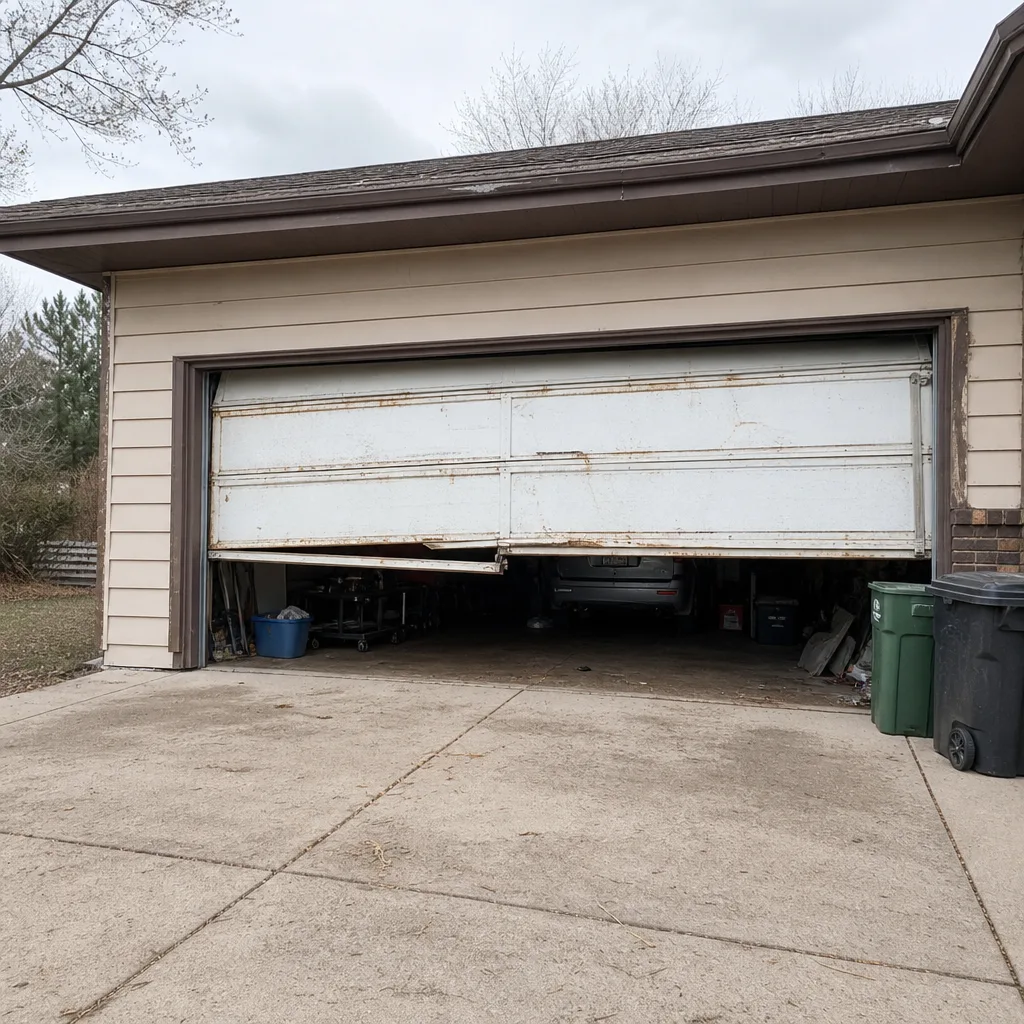 Before
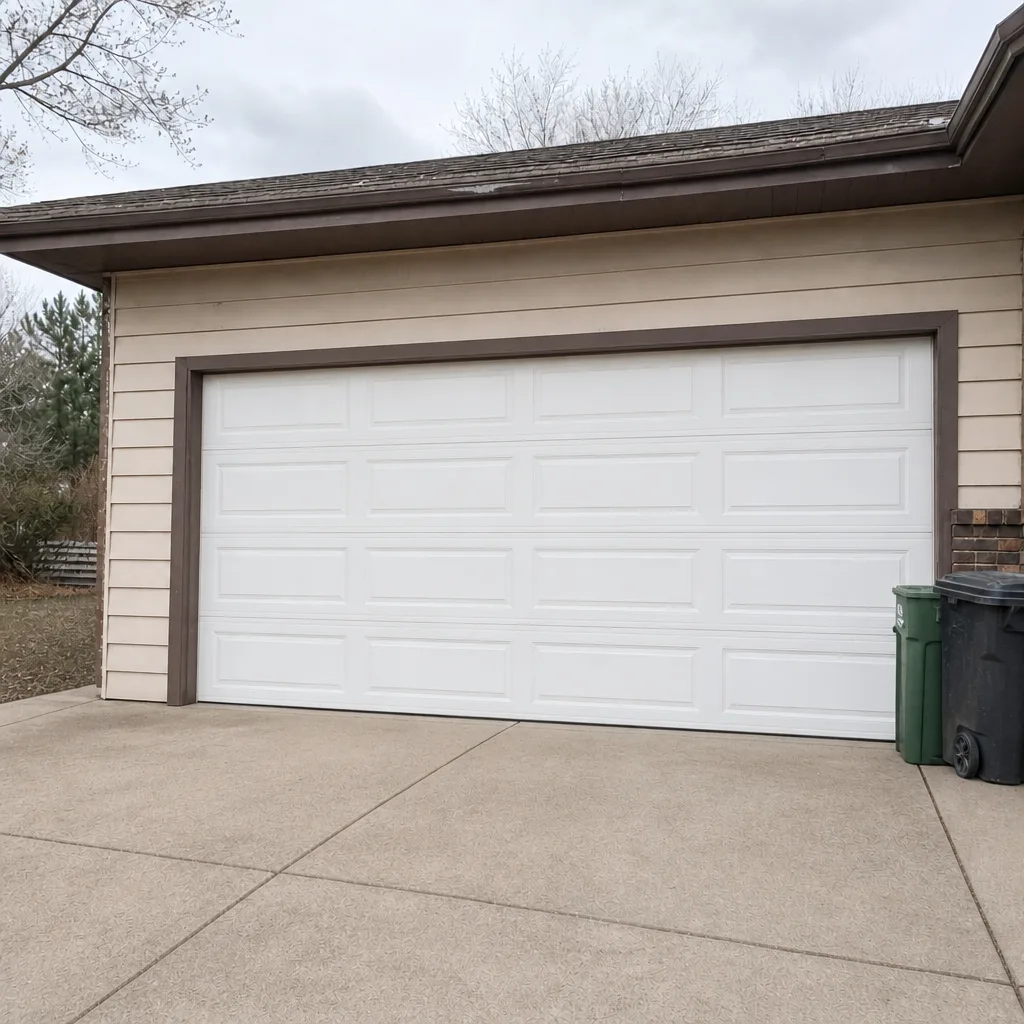 After
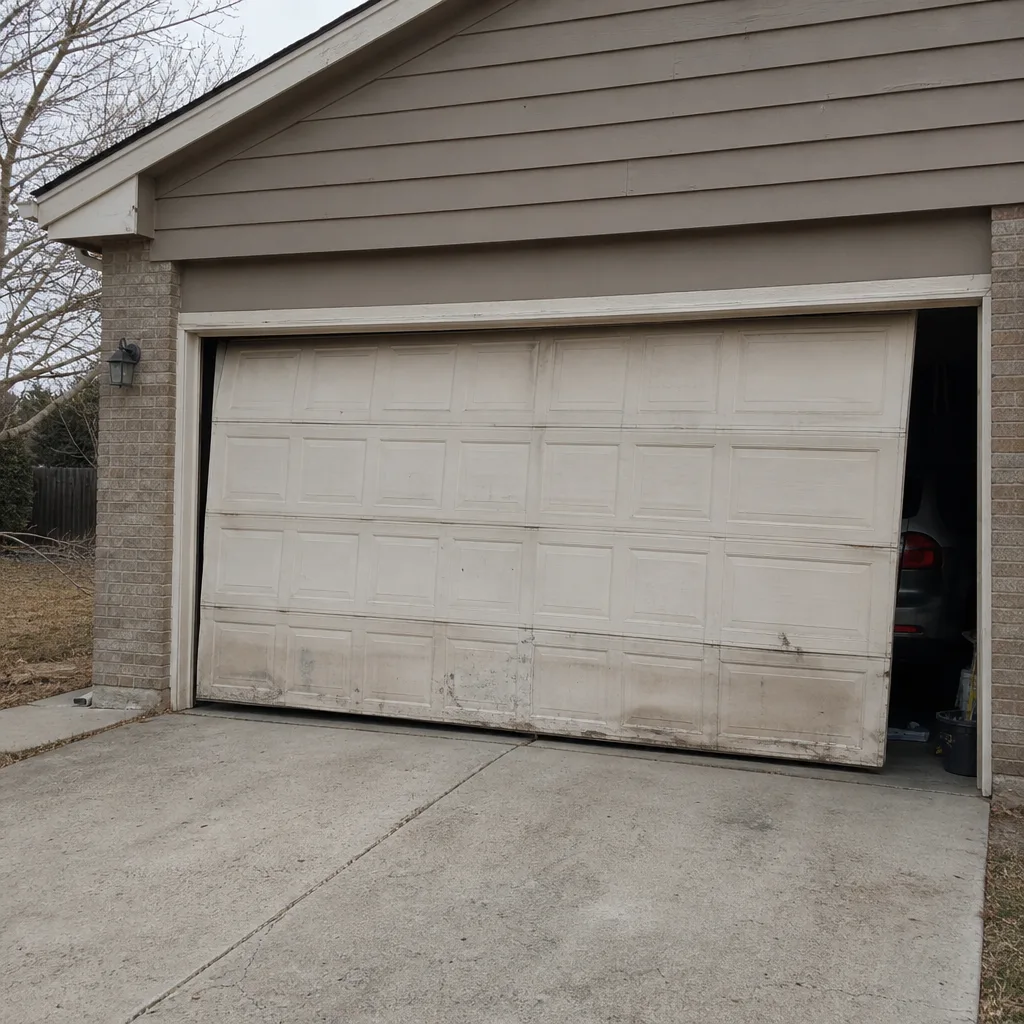 Before
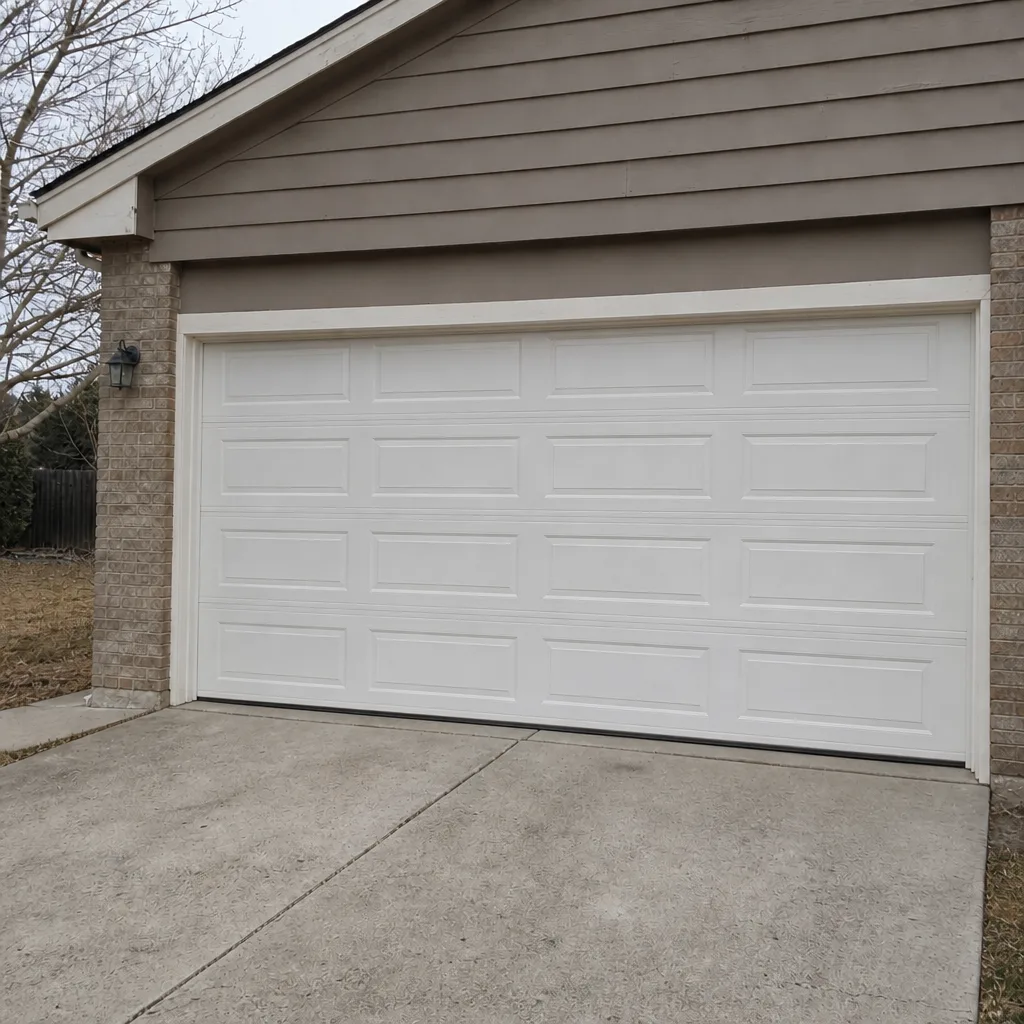 After
When to Call a Professional
Call a professional whenever a failure involves the springs, the opener motor, the tracks, or the door’s safety features. Broken springs, doors that won’t lift, panels that reverse on their own, and anything that makes the door feel heavy on the way up are all cases for a trained technician. If a car is trapped, the door is stuck open and your garage connects to the house, or the door won’t close before a storm, call right away rather than waiting for a better time. Garage Door Repair Saddle Rock offers free estimates in Saddle Rock. Call (855) 976-4952. We answer 24/7, with fast dispatch from 7am to 7pm, Sunday through Friday.
Frequently Asked Questions
Pull the emergency release cord only if the springs are intact and the door is balanced, then lift the door slowly and by hand. If a spring is broken, the door is sagging, or you heard a loud bang, do not pull the cord and do not lift the door; call (855) 976-4952 instead.
Check the photo-eye sensors first, since a web, leaf, or bumped sensor is the most common reason a door won’t close, then check the wall control lock if you have one. If the door still won’t come down and a storm is coming, secure the opening from inside, move valuables out of the garage, and call us at (855) 976-4952.
No. Forcing a frozen door can bend panels, distort the tracks, and strip the opener gear, so clear ice from the bottom seal with a plastic scraper and call if the door still won’t move. If the door is frozen shut, don’t pull the release cord, because it can drop hard once it breaks free.
You’ll see a gap in the coil of a torsion spring above the door, or a stretched or hanging extension spring along the side tracks, and the door will feel extremely heavy or won’t lift at all. A loud bang from the garage is another common sign. Don’t run the opener or lift the door; call (855) 976-4952 for spring repair.
Often, yes. We work on LiftMaster, Chamberlain, Genie, Clopay, Amarr, Wayne Dalton, Craftsman, and Raynor systems, and we stock and source garage door parts, so many repairs are handled on the first visit. When we call to confirm parts, giving us the model number from the opener housing is the single best way to get it right the first time.
We answer 24/7. A call outside dispatch hours is booked into the next opening, Sunday through Friday, 7am to 7pm.
The Bottom Line
Garage door emergencies in Saddle Rock follow a pattern, and the first fifteen minutes decide how bad they get. Know your spring type and your opener brand before something fails. Never pull the release cord on a broken spring. Never force a frozen door. Secure the opening if the door won’t close, and call with the five details that let a technician bring the right part the first time. Prep work is cheap, and a pre-storm checklist in the fall beats a scramble in January. The rest of the guide, from a repair call to a full service visit, is our job, and we’ll quote it clearly before any work starts.
Call (855) 976-4952 for a free estimate. We answer 24/7. Fast dispatch from 7am to 7pm, Sunday through Friday.
Written by the team at Garage Door Repair Saddle Rock.